Select high-purity active ingredients, recombinant proteins, and bespoke skincare products engineered for efficacy and global compliance.
In the competitive landscape of global cosmetic manufacturing, Chengdu Spekciton Biology Co., Ltd. has emerged as a premier force. As a specialized Chinese cosmetic ingredients manufacturer, the company has dedicated itself to the research, development, production, and distribution of high-performance personal care raw materials. By combining modern green chemistry, precision bio-fermentation, and a robust supply chain network, Spekciton Biology bridges the gap between scientific innovation and marketable consumer products.
Spekciton's extensive portfolio is built around functional active ingredients designed to address the key demands of today's skincare industry: anti-aging efficacy, moisture-barrier repair, skin-tone equalization, and botanical soothing. Driven by a dedicated in-house R&D team and a state-of-the-art biological manufacturing center, the company serves as a strategic partner to cosmetics brands, professional formulators, and bulk purchasers worldwide. From optimizing basic surfactant profiles to synthesizing high-purity bioactive peptides, Spekciton guarantees consistency, purity, and compliance with the most stringent global regulatory frameworks.
Unlocking supply chain integration, technological leapfrogging, and cost-efficiency in cosmetic chemical synthesis.
China controls major nodes in the global supply of basic and advanced chemical precursors. Localizing factories near these extraction clusters eliminates long-distance transportation costs and insulates downstream partners from global supply fluctuations.
With the rapid development of bio-clusters in Chengdu and neighboring chemical tech zones, companies like Spekciton leverage state-subsidized technological parks, elite universities, and localized talent pools specializing in molecular biology and biochemical engineering.
By combining high-capacity automated fermentation reactors with optimized extraction techniques, Chinese factories reduce cost-per-kilogram output. These savings are directly passed down to multinational cosmetic houses seeking to maintain profitable retail price margins.
Key transformations shaping consumer expectations, regulatory updates, and manufacturing pipelines.
Traditional animal-derived collagen is rapidly being phased out due to ethical concerns and hyper-reactivity risks. Synthetic biology now permits the production of Recombinant Humanized Type III Collagen. Through targeted yeast expression systems, manufacturers can bio-design proteins that precisely match the human skin matrix, offering unrivaled anti-wrinkle and tissue-repair profiles.
Skin microbiome health is a dominant trend. Fermentation-derived actives like Lactobacillus Fermentum function as postbiotics that soothe skin irritation, enhance natural barrier functions, and maintain optimal pH. These ingredients are extremely stable in formulation, avoiding the manufacturing challenges of live bacteria.
Advanced Glycation End-products (AGEs) accelerate structural degradation of elastin and collagen. Biocompatible dipeptides such as L-Carnosine act as sacrificial anti-glycation agents, protecting the structural integrity of skin from sugar-induced aging.
Sustainability is now a legal obligation. Surfactants and humectants (e.g., cationic surfactants, high-purity glycerin, and cellulose derivatives) are transitioning to fully biodegradable, bio-based feedstock sources. This transition ensures compliance with ECOCERT and COSMOS certifications.
End-to-end support addressing supply chains, customized formulation demands, and complex regulatory clearances.
Modern beauty brands struggle with the complexity of transitioning from raw powder ingredients to stable, commercially viable liquids, gels, and creams. Chengdu Spekciton Biology Co., Ltd. addresses this pain point by offering structured macro solutions that go beyond basic supply contracts.
Different cosmetic applications demand distinct peptide behaviors. Spekciton collaborates with client R&D departments to synthesize modified peptides, such as lipid-conjugated Copper Peptides, that exhibit enhanced skin penetration and higher thermal stability, ensuring they remain active in challenging emulsions.
High-potency actives like Kojic Acid are notoriously prone to discoloration and oxidation during formulation. Spekciton provides proprietary formulation guides, suggesting correct chelating agents, pH buffers, and co-antioxidants to ensure cosmetic formulations remain pristine throughout their shelf life.
Global commerce requires thorough documentation. Spekciton supports clients by compiling complete technical data packages, including Certificate of Analysis (COA), Material Safety Data Sheets (MSDS), Technical Data Sheets (TDS), and heavy metal and microbiological assay certifications.
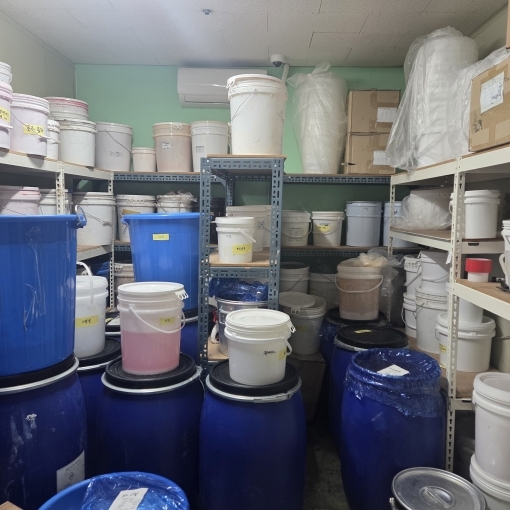
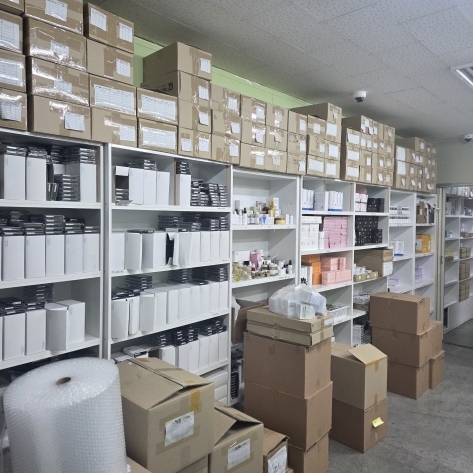
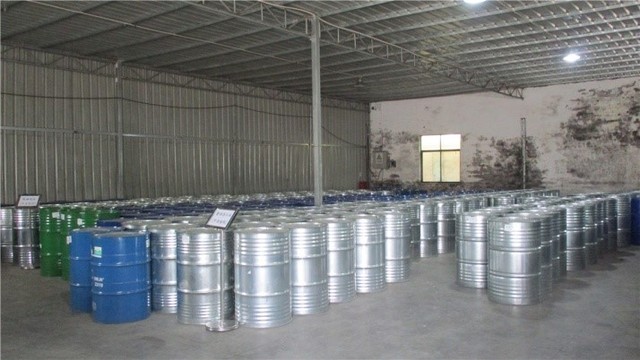
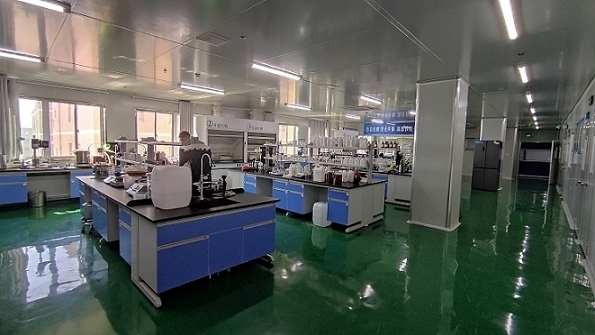
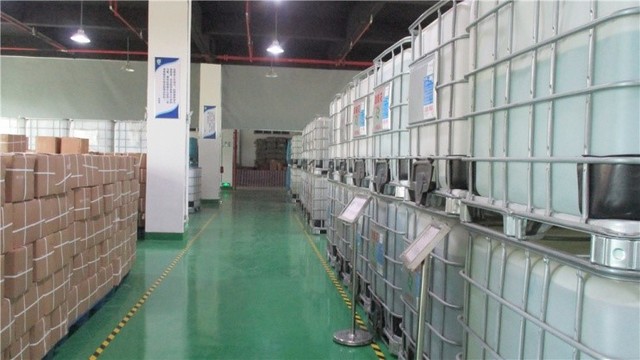
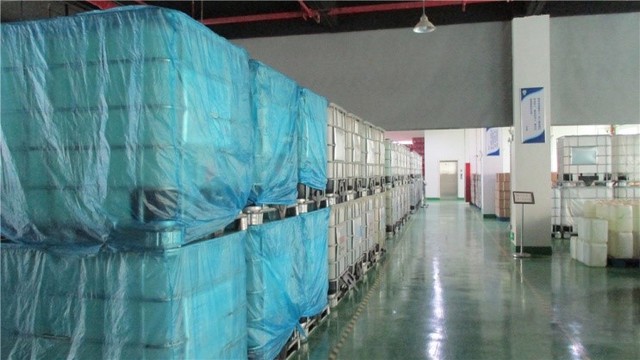
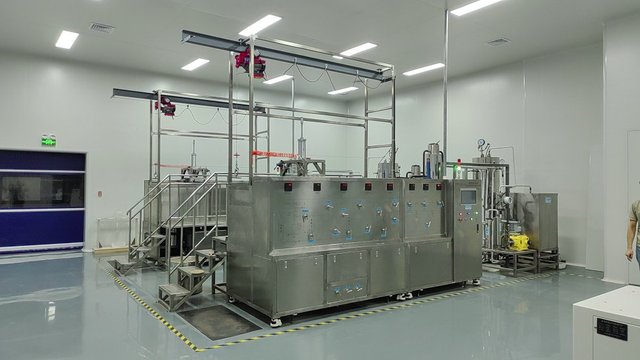
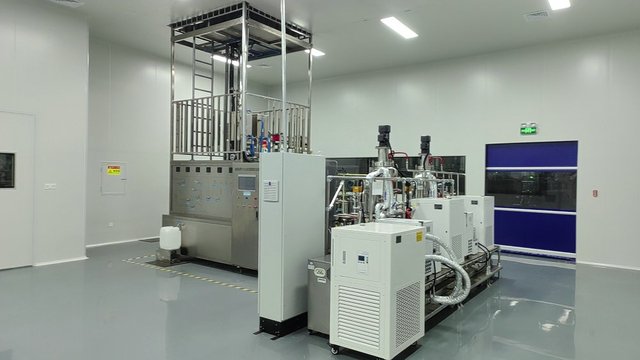
Chengdu Spekciton's production facilities operate under strict pharmaceutical-grade environments, utilizing advanced testing apparatus.




Technical and logistical insights to assist procurement directors, cosmetic chemists, and brand developers.
High-potency bio-extracts, surfactants, and premium functional additions directly from Chengdu Spekciton.
 Spekciton Biology