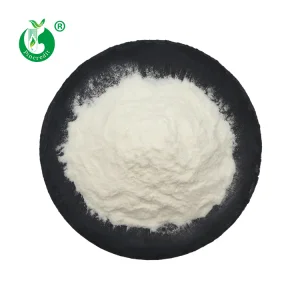
In modern formulation sciences, the preservation system acts as the safety cornerstone. Whether in cosmetic systems, complex beverage compounds, animal feed, or pharmaceutical matrices, preservative ingredients serve a singular yet vital role: inhibiting microbial proliferation, preventing enzymatic degradation, and securing product integrity. Globally, the preservation industry is undergoing a paradigm shift. Rising consumer scrutiny, coupled with tighter regulatory criteria established by bodies such as the European Chemicals Agency (ECHA) and the United States FDA, has forced brand owners to look for higher-purity chemical preservatives and innovative bio-based alternatives.
Traditional preservation solutions are increasingly optimized or combined with booster ingredients to reduce their Minimum Inhibitory Concentration (MIC). Broad-spectrum efficacy is no longer just about using high doses of single-active substances; it is about leveraging structural synergies, advanced manufacturing capabilities, and clean chemistry. For professional formulators and industrial procurement managers, sourcing these functional substances requires alignment with manufacturers that comply with ISO, HALAL, KOSHER, and modern GMP standards.
Chengdu Spekciton Biology Co., Ltd. is a professional China cosmetic ingredients manufacturer specializing in the research, development, production, and supply of high-quality personal care raw materials for skincare, haircare, and beauty applications. With a commitment to innovation, quality, and sustainability, the company provides comprehensive ingredient solutions to cosmetic brands, formulators, and manufacturers worldwide.
Backed by advanced research capabilities and modern production facilities, Chengdu Spekciton Biology offers a diverse portfolio of cosmetic ingredients, including active ingredients, botanical extracts, peptides, moisturizing agents, anti-aging ingredients, fermentation-derived ingredients, and other functional raw materials. These ingredients are widely used in skincare products, hair care formulations, color cosmetics, personal hygiene products, and clean beauty applications.
Innovation is at the core of the company's development strategy. Its experienced R&D team continuously explores new technologies and bioactive compounds to meet the evolving demands of the global beauty and personal care industry. The company also provides customized ingredient solutions to help customers optimize product performance, improve formulation efficiency, and accelerate product development.
Quality assurance is integrated into every stage of production. From raw material sourcing and manufacturing to final product testing, Chengdu Spekciton Biology implements strict quality control systems to ensure product consistency, purity, safety, and compliance with international standards. With a customer-oriented approach, reliable supply capabilities, and strong technical support, Chengdu Spekciton Biology Co., Ltd. has established long-term partnerships with customers across global markets. The company remains dedicated to delivering innovative cosmetic ingredient solutions that empower brands to create safe, effective, and sustainable beauty products for consumers worldwide.
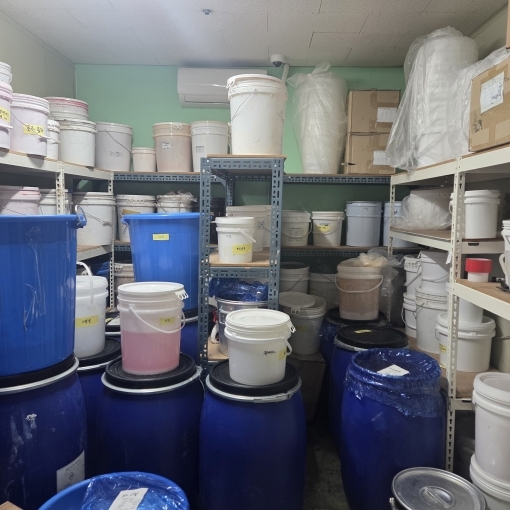

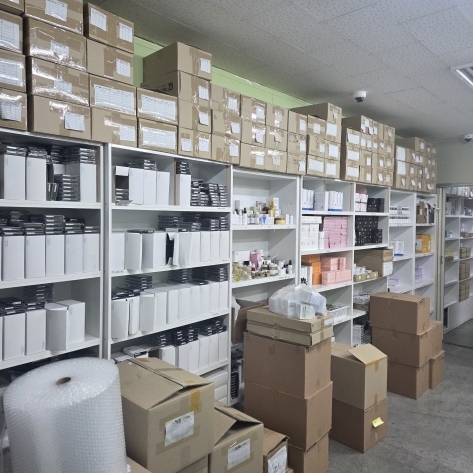

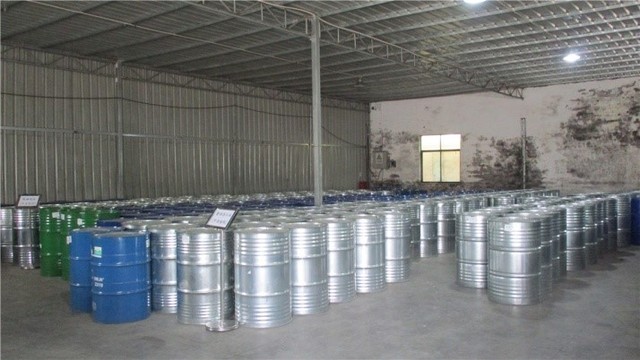


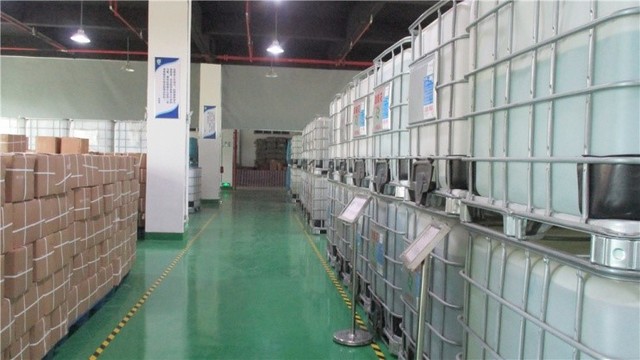



Global supply chain disruptions have highlighted the critical importance of procurement resilience. Purchasing preservative ingredients from leading Chinese manufacturers provides significant strategic advantages:
A preservation strategy must reflect the physical and chemical properties of the target system. Let's look at how specific preservative compounds perform in localized, real-world formulations:
In water-based cosmetic formulations, bacteria like Pseudomonas aeruginosa present a constant contamination risk. Phenoxyethanol has become a standard primary preservative due to its excellent skin compatibility and stability across a wide pH range (3.0 to 9.0). To expand its efficacy against yeast and mold, formulators often pair it with booster agents or use liquid complexes like Germall Plus. These synergistic combinations disrupt microbial cell membranes, keeping products safe from the first application through to the end of their shelf life.
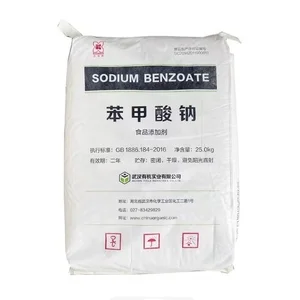
In food preservation, targeting yeasts and molds is crucial without altering flavor profiles. Potassium Sorbate (E202) and Sodium Benzoate (E211) are widely used in low-pH foods, beverages, pickles, and sauces. When introduced to acidic environments, these salts convert to their undissociated acid forms, which penetrate microbial cell membranes to inhibit metabolic activity. Furthermore, bio-based options like Natamycin (E235) provide targeted mold and yeast control at exceptionally low concentrations in dairy (cheeses) and bakery applications. This helps reduce chemical reliance while supporting clean-label positioning.
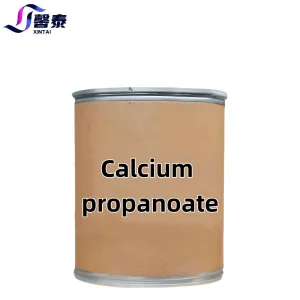
In agricultural feed supply chains, mold growth and mycotoxin contamination can impact animal health and compromise feed quality. Calcium Propionate is widely used to prevent mold in grain storage and compound feeds. This compound releases propionic acid, which disrupts mold enzymes while supplying essential calcium to the dietary mix. Its high thermal stability makes it well-suited for high-temperature pelletization processes.
The preservation sector is evolving to meet new market demands and technical challenges:
Our analytical laboratories feature advanced HPLC, GC-MS, and microbiological testing suites. We support clients through comprehensive preservation efficacy testing (challenge tests) for customized formulation development.
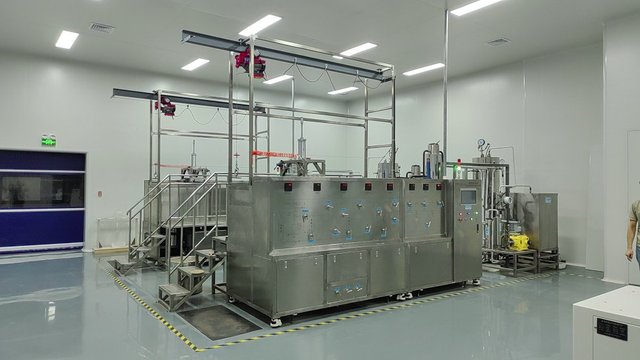
We utilize automated biochemical synthesis and modern fermentation lines. This infrastructure ensures consistent molecule size, strict quality control, and excellent batch uniformity for global distribution.
Our regulatory team prepares comprehensive documentation packages, including COA, MSDS, and technical data sheets, ensuring smooth customs clearance and regulatory alignment worldwide.
 Spekciton Biology