Empowering the Global Personal Care and Water Purification Sectors with High-Performance Photoprotective Ingredients & Advanced Ultraviolet Technologies
Explore our premium range of synthesized chemical UV filters, active cosmetic ingredients, and technical UV purification hardware.
An in-depth analysis of regulatory shifts, material synthesis improvements, and supply chain strategies shaping the photoprotective industry.
The global photoprotection landscape is experiencing a regulatory and formulation paradigm shift. Traditional chemical absorbers such as Oxybenzone and Octinoxate face severe restrictions due to marine eco-toxicity concerns, particularly reef bleaching. Consequently, broad-spectrum organic UV filters like Bemotrizinol (BEMT) and photostabilizing compounds like Octocrylene have occupied a prominent role in modern sunscreen development.
Industrial manufacturers require reliable supply lines of high-purity raw materials. Our factory-level synthesis prioritizes molecular purity (≥98% for Bemotrizinol and related active compounds) to ensure that downstream formulations achieve target Sun Protection Factors (SPF) and Protection Grade of UVA (PA) metrics without causing irritation or formulation instability.
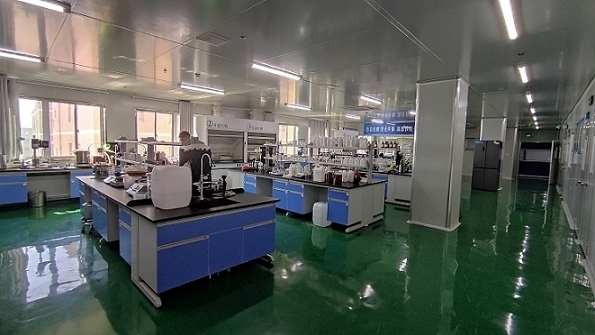
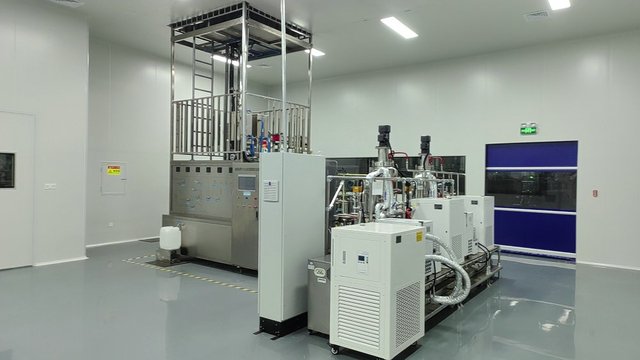
Our raw material purification lines adhere strictly to Good Manufacturing Practices (GMP). Chromatographic techniques monitor the extraction and synthesis processes to ensure trace impurities (such as free amines or reaction catalysts) are kept far below standard industry detection thresholds.
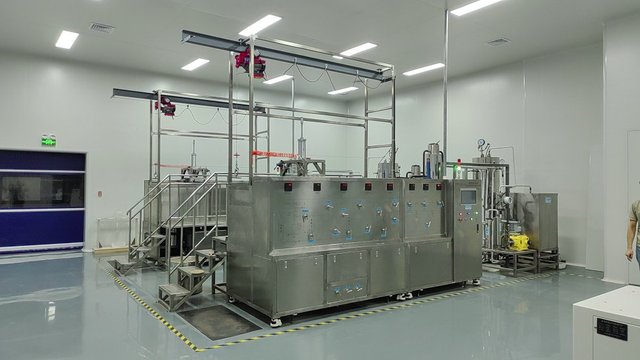
Utilizing high-performance chemical reaction systems, we offer structural optimization options for raw powder distribution, particle size control for inorganic filters, and dissolution properties for organic liquid filters.
Exploring raw material innovations that align physical stability with chemical skin safety and high-capacity water sanitization.
Encapsulated UV filters present a significant breakthrough in personal care formulations. Isolating organic chemical agents inside an inert silica shell prevents direct contact with dermal layers, dramatically lowering allergy rates while stabilizing complex combinations of UV filters.
Formulating with UV filters like Avobenzone presents challenges due to rapid degradation when exposed to sunlight. By pairing these molecules with stabilizers like Octocrylene and Bemotrizinol, our team ensures the final product retains its protective qualities throughout prolonged exposure.
Aligning with consumer demands for clean beauty, our facilities have introduced bio-based synthesis pathways for critical sunscreen ingredients, reducing environmental impact while maintaining analytical profile consistency with traditional petrochemical methods.
A leading cosmetic ingredients manufacturer specializing in active compounds, formulation science, and international sourcing solutions.
Chengdu Spekciton Biology Co., Ltd. is a professional China cosmetic ingredients manufacturer specializing in the research, development, production, and supply of high-quality personal care raw materials for skincare, haircare, and beauty applications. With a commitment to innovation, quality, and sustainability, the company provides comprehensive ingredient solutions to cosmetic brands, formulators, and manufacturers worldwide.
Backed by advanced research capabilities and modern production facilities, Chengdu Spekciton Biology offers a diverse portfolio of cosmetic ingredients, including active ingredients, botanical extracts, peptides, moisturizing agents, anti-aging ingredients, fermentation-derived ingredients, and other functional raw materials. These ingredients are widely used in skincare products, hair care formulations, color cosmetics, personal hygiene products, and clean beauty applications.
Innovation is at the core of the company's development strategy. Its experienced R&D team continuously explores new technologies and bioactive compounds to meet the evolving demands of the global beauty and personal care industry. The company also provides customized ingredient solutions to help customers optimize product performance, improve formulation efficiency, and accelerate product development.
Quality assurance is integrated into every stage of production. From raw material sourcing and manufacturing to final product testing, Chengdu Spekciton Biology implements strict quality control systems to ensure product consistency, purity, safety, and compliance with international standards.
With a customer-oriented approach, reliable supply capabilities, and strong technical support, Chengdu Spekciton Biology Co., Ltd. has established long-term partnerships with customers across global markets. The company remains dedicated to delivering innovative cosmetic ingredient solutions that empower brands to create safe, effective, and sustainable beauty products for consumers worldwide.



How organic photoprotection ingredients and high-grade UV filtration apparatus solve problems in chemical, retail, and utility industries.
From daily wear lotions to water-resistant sports sunscreens, cosmetic raw materials such as Bemotrizinol and Octocrylene form the foundation of broad-spectrum UV shielding. Additionally, skin-tone optimizing ingredients like Potassium Methoxysalicylate (4MSK) work in tandem with chemical filters to mitigate post-inflammatory hyperpigmentation (PIH) caused by UV exposure.
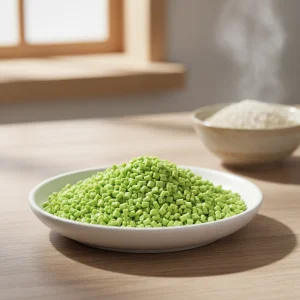
Exposed outdoor plastics like PP, PE, and PVC degrade rapidly under sun exposure. Incorporating UV stabilizers such as HALS (Hindered Amine Light Stabilizers) into the polymer masterbatch prevents cracking, discoloration, and structural failures, thus extending the life cycle of outdoor utility products.
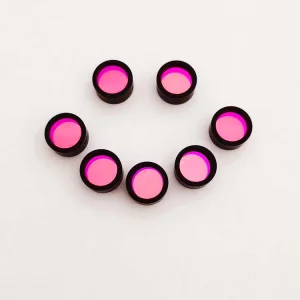
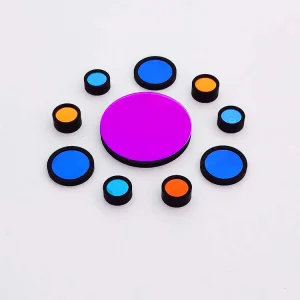
Enzyme assays and clinical testing systems require exact light wavelengths. Advanced bandpass filters (e.g., BP340 UV optical glass filters with OD5 blocking) allow specific wavelengths of light to pass through, enabling accurate measurements in biochemical analyzers and diagnostic instruments.
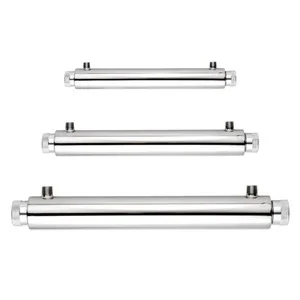
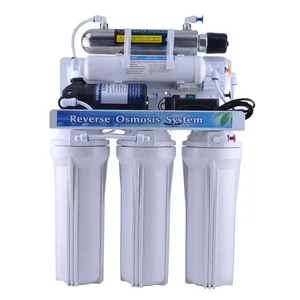
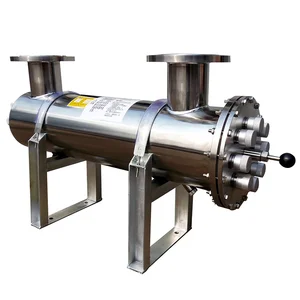
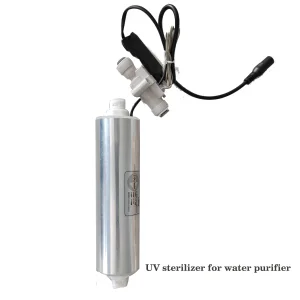
UV radiation is highly effective for sanitizing water supplies. Flow-type ultraviolet sterilizers constructed from durable 304/316 stainless steel damage the DNA of pathogens like bacteria and viruses, making them essential for drinking water systems, commercial aquaculture, and RO filtration systems.
Insights from our chemical engineering and compliance departments regarding formulation strategies and international guidelines.
Bemotrizinol is a oil-soluble, organic UV absorber designed to cover both UVA and UVB wavelengths (290–370 nm). Unlike older chemical filters like Avobenzone, it doesn't break down quickly when exposed to sunlight. Furthermore, it helps stabilize other photounstable ingredients, making it a critical component in broad-spectrum sun protection formulas.
Octocrylene absorbs primarily UVB radiation and short UVA wavelengths. Its primary value in formulations is its ability to photostabilize other chemical absorbers, particularly Dibenzoylmethane derivatives (Avobenzone). By dissipating the excitation energy of Avobenzone molecules without degrading, Octocrylene helps sustain the SPF rating of the formula during sun exposure.
Potassium Methoxysalicylate is a salicylic acid derivative that acts as a skin-brightening agent. By inhibiting tyrosinase activity, it reduces melanin synthesis. When used alongside UV filters, it helps address both immediate UV protection and the long-term management of UV-induced hyperpigmentation.
Unlike organic UV absorbers that convert UV light to heat, HALS molecules work by scavenging free radicals. These radicals are generated when polymers like PP and PE undergo photo-oxidation. This process prevents the chemical breakdown of the plastic, protecting physical properties like tensile strength and color stability over long-term outdoor exposure.
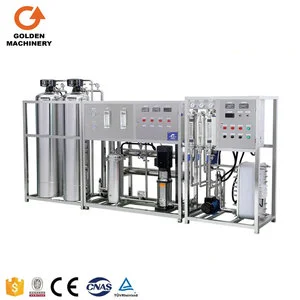
While RO membranes remove suspended solids, minerals, and large microbes, some bacteria can still survive and colonize the storage tanks. Placing a UV sterilizer downstream from the RO system ensures that any remaining microorganisms are neutralized at a genomic level, providing safe, purified drinking water.
Under EU Annex VI regulations, Bemotrizinol (Bis-Ethylhexyloxyphenol Methoxyphenyl Triazine) is approved up to 10% in cosmetics. Octocrylene is limited to 10% in both the EU and the US. It's important to consult with your exporter to verify compliance with the target market's regulations before finalizing your formulations.
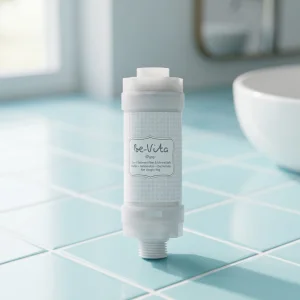
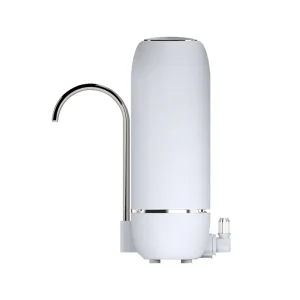
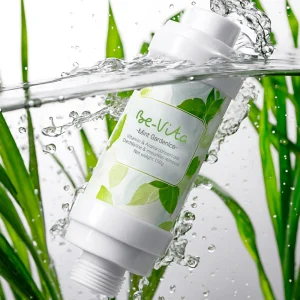
Explore our industrial-grade components, household water filtration cartridges, and specialized laboratory optical glasses.
 Spekciton Biology