Explore our premium product portfolio designed for high compatibility, sensory elegance, and functional efficacy in modern cosmetic formulations.
Chengdu Spekciton Biology Co., Ltd. is a professional China cosmetic ingredients manufacturer specializing in the research, development, production, and supply of high-quality personal care raw materials for skincare, haircare, and beauty applications. With a commitment to innovation, quality, and sustainability, the company provides comprehensive ingredient solutions to cosmetic brands, formulators, and manufacturers worldwide.
Backed by advanced research capabilities and modern production facilities, Chengdu Spekciton Biology offers a diverse portfolio of cosmetic ingredients, including active ingredients, botanical extracts, peptides, moisturizing agents, anti-aging ingredients, fermentation-derived ingredients, and other functional raw materials. These ingredients are widely used in skincare products, hair care formulations, color cosmetics, personal hygiene products, and clean beauty applications.
Innovation is at the core of the company's development strategy. Its experienced R&D team continuously explores new technologies and bioactive compounds to meet the evolving demands of the global beauty and personal care industry. The company also provides customized ingredient solutions to help customers optimize product performance, improve formulation efficiency, and accelerate product development.
Quality assurance is integrated into every stage of production. From raw material sourcing and manufacturing to final product testing, Chengdu Spekciton Biology implements strict quality control systems to ensure product consistency, purity, safety, and compliance with international standards.
With a customer-oriented approach, reliable supply capabilities, and strong technical support, Chengdu Spekciton Biology Co., Ltd. has established long-term partnerships with customers across global markets. The company remains dedicated to delivering innovative cosmetic ingredient solutions that empower brands to create safe, effective, and sustainable beauty products for consumers worldwide.
Understanding the micro and macro parameters driving the global sourcing of functional emollients and raw cosmetic bases.
Global cosmetic giants are actively eliminating ethoxylated surfactants (PEGs) and silicone oils. Green substitutes like Polyglyceryl-3 Laurate and Polyglyceryl-6 Caprylate are seeing double-digit year-on-year procurement growth due to their low ecotoxicity and skin-friendly properties.
Modern consumers prioritize skin barrier recovery. Emollients such as Ethyl Palmitate and Methyl Myristate act as natural intercellular lipid mimics, reinforcing the stratum corneum, preventing Trans-Epidermal Water Loss (TEWL), and ensuring a non-greasy, silky skin finish.
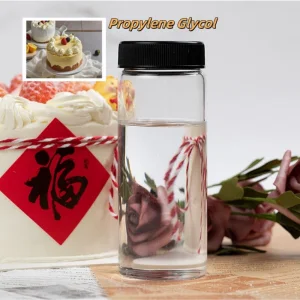
Relying on single-source origins introduces operational risks. B2B buyers require reliable Chinese chemical exporters with optimized bulk pricing for foundational humectants like Mono Propylene Glycol (MPG) and acidifiers like Malic Acid and Tartaric Acid.
How the chemical structure and Hydrophilic-Lipophilic Balance (HLB) of emollients shape the performance of final cosmetic emulsions.
The skin-feel of an emollient is directly related to its spreadability, viscosity, and carbon chain length. Low molecular weight esters, such as Methyl Myristate (CAS 124-10-7), provide a light, dry-slip profile that mimics volatile silicones, making them ideal for light face creams, primers, and active serums. On the other hand, longer chain fatty acid esters like Ethyl Palmitate (CAS 628-97-7) offer structural viscosity and rich moisturization, shielding the epidermis with a velvety finish.
Formulating stable cosmetic emulsions requires careful control of the HLB (Hydrophilic-Lipophilic Balance) of the emulsifying agents. For instance:
Modern emollients do more than just soften the skin; they also act as carrier matrices for active ingredients. Glycerin Laurate (Monolaurin) combines moisturizing benefits with natural antimicrobial activity, helping brands formulate preservative-free or self-preserving claims in sensitive skincare products.
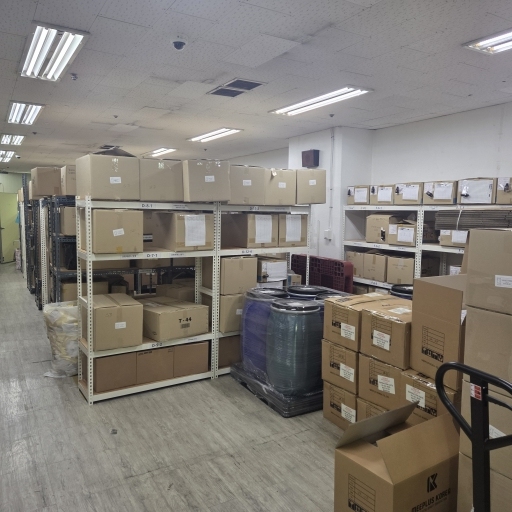
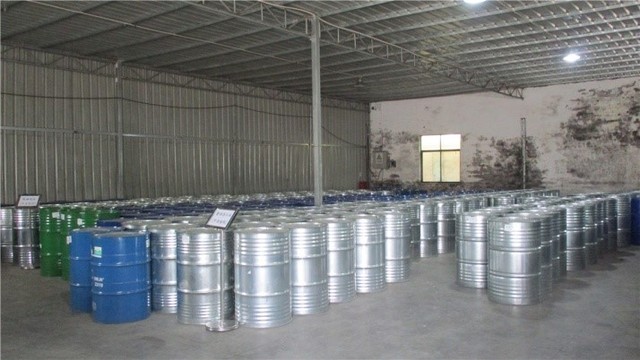
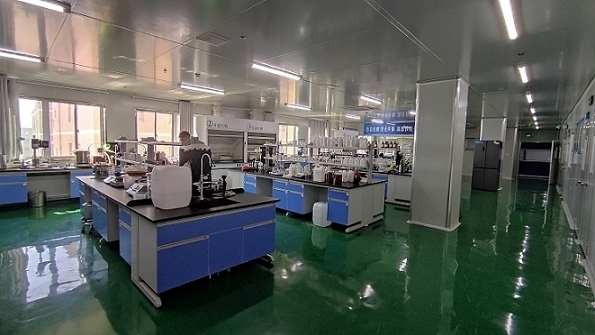
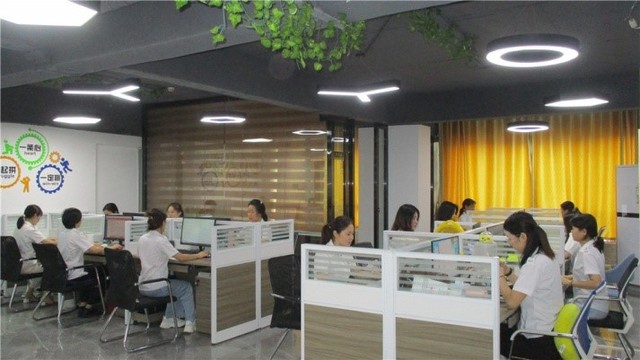
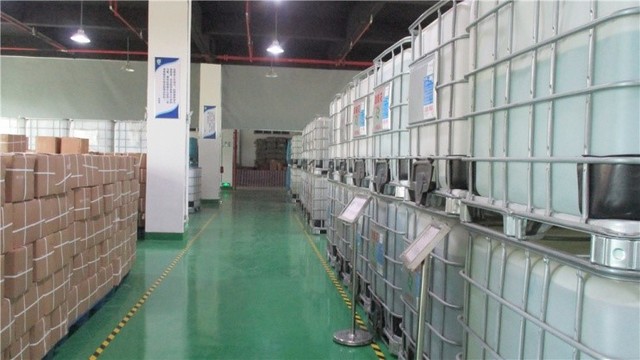
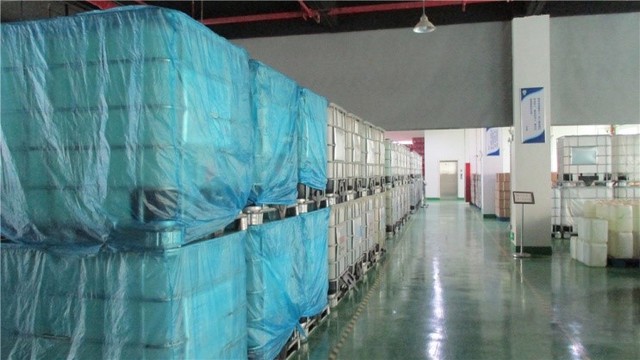
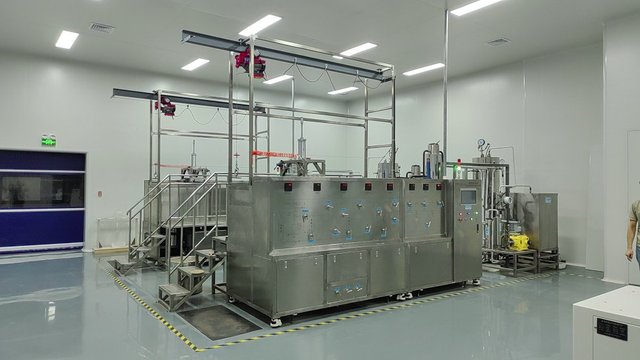
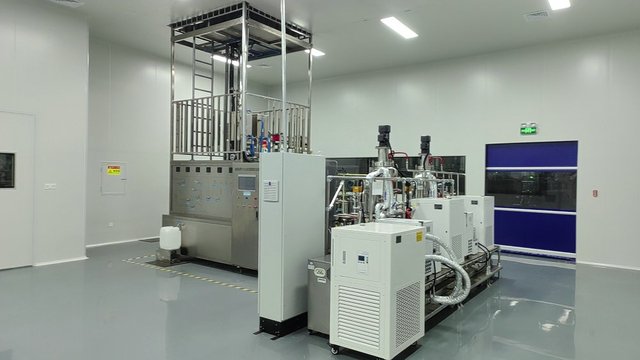
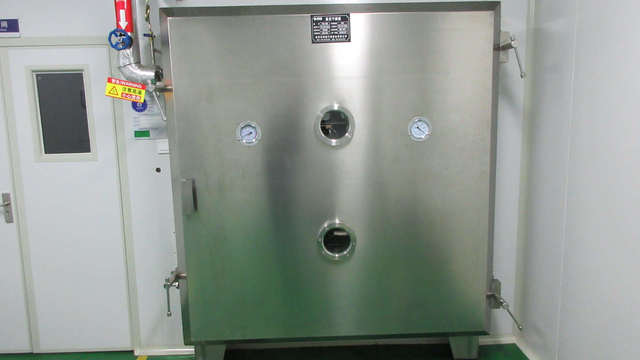
Take a virtual tour of Chengdu Spekciton Biology's state-of-the-art laboratory, synthesis reactors, and warehousing complexes.
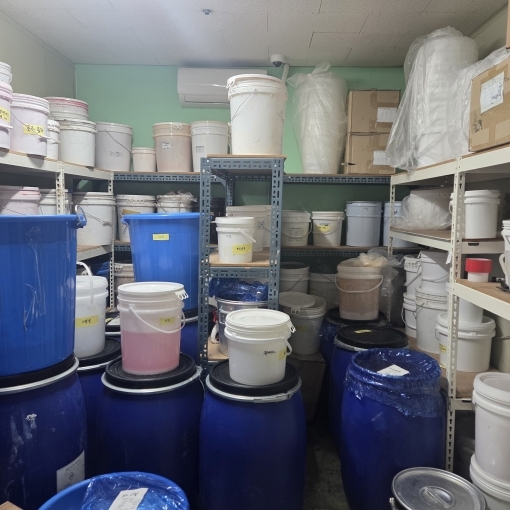
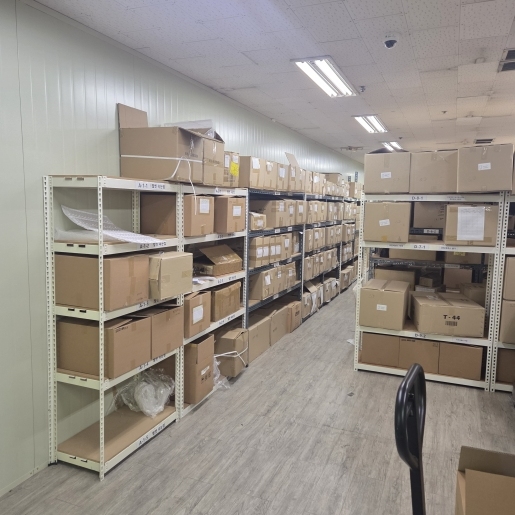
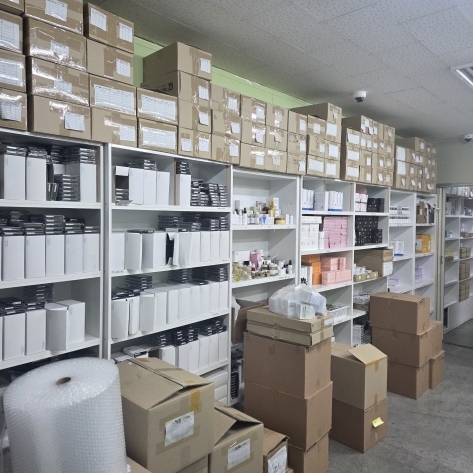
Ensuring seamless commercial scaling, global customs passage, and absolute regulatory compliance for international brands.
We supply raw materials that align with major regulatory standards. For example, our Mono Propylene Glycol (MPG) is FDA approved and conforms to European REACH guidelines. This ensures smooth custom clearance and safe inclusion in skin, food, and pharmaceutical systems.
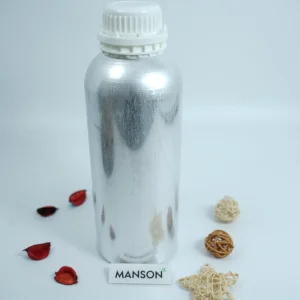
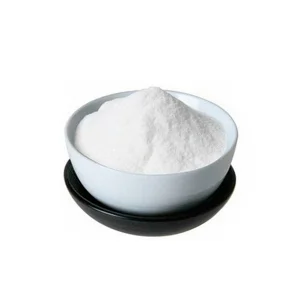
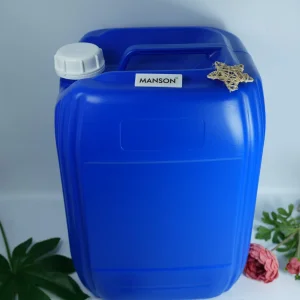
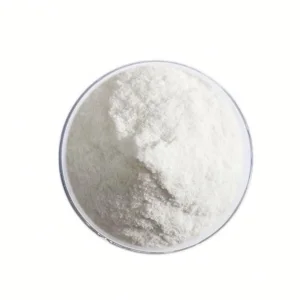
We support various packaging needs, ranging from 25kg paper-plastic composite bags for dry powders like Malic Acid and Tartaric Acid to high-density polyethylene (HDPE) drums and IBC tanks for liquid esters and humectants.
Every shipment comes with a Certificate of Analysis (COA), Safety Data Sheets (SDS) matching international GHS formats, and allergen-free statements. We provide full traceability from initial synthesis to final packaging.
Addressing the technical, formulation, and commercial questions most frequently asked by cosmetic chemists and purchasing managers.
The difference lies in their molecular weights and carbon chain lengths. Ethyl Palmitate (C18 ester) is highly emollient, offering structural viscosity, rich nourishment, and a slow spreading rate that is excellent for intensive night creams. Methyl Myristate (C15 ester) spreads quickly and has low viscosity, providing a light, dry-slip sensory profile that works well as a natural alternative to volatile silicones in daily moisturizing lotions.
Polyglyceryl-3 Laurate is a vegetable-derived monoester with an HLB value of around 8.5. It works well as a co-emulsifier or primary emulsifier in water-in-oil (W/O) systems. Unlike traditional PEG emulsifiers, it is biodegradable, skin-friendly, and helps form stable emulsions while acting as an emollient to reduce TEWL.
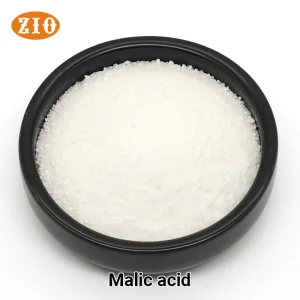
Both are high-purity Alpha Hydroxy Acids (AHAs). In cosmetic formulations, they serve as gentle chemical exfoliants that promote skin cell turnover, clear pores, and brighten skin tone. They also act as pH adjusters (buffers) to keep active skincare formulations within their optimal stability ranges.
Yes, our Mono Propylene Glycol (MPG) meets strict purity standards and is FDA-approved. It is widely used as a humectant, solvent, and viscosity modifier in personal care, cosmetics, food, and pharmaceutical formulations, offering safe and stable compliance for global distribution.
Glycerin Laurate is a multi-functional lipid that exhibits natural antibacterial, antifungal, and antiviral properties by disrupting the lipid membranes of microorganisms. While it may not fully replace a broad-spectrum preservative in high-water formulations, it acts as an excellent preservative booster, helping formulators create self-preserving or preservative-free claims in sensitive skin products.
We provide tailored ingredient solutions to optimize physical parameters (like viscosity or HLB value) for specific formulation needs. Our packaging options include 25kg bags, 200L drums, and 1000L IBC totes, ensuring safe transit, compliance with international transport standards, and easy integration into your manufacturing setup.
Explore our secondary selection of specialized cosmetic emulsifiers, hydroxy acids, and humectant carriers.
 Spekciton Biology