Engineered surface-active agents designed for superior wetting, foaming, emulsification, and rheology control across diverse process operations.
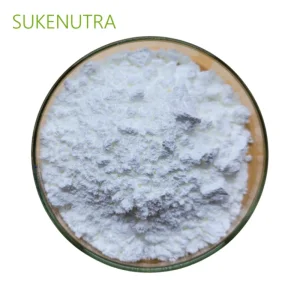
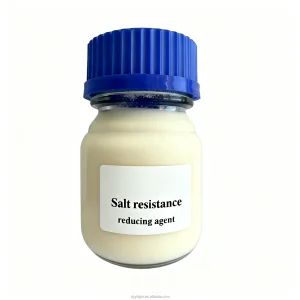
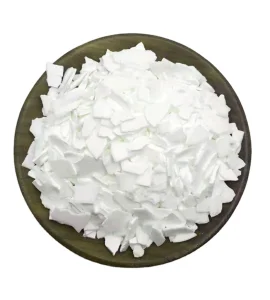
Chengdu Spekciton Biology Co., Ltd. stands as a premier global manufacturer and specialized exporter of high-grade cosmetic ingredients and surfactant components. Leveraging advanced R&D methodologies, we research, develop, and formulate clean-label, bio-based, and synthetic surface-active chemical reagents. Our core focus centers on the delivery of functional raw materials tailored for international skincare, hair care, personal hygiene, and specialized industrial sectors.
Supported by a comprehensive manufacturing infrastructure and cutting-edge laboratory facilities, we specialize in high-purity active ingredients, botanical matrices, peptides, and functional fermentation derivatives. Our commitment to sustainability drives our exploration of green chemical synthesis paths, enabling global formulators to optimize viscosity, interfacial tension, and emulsion stability within their final formulations.
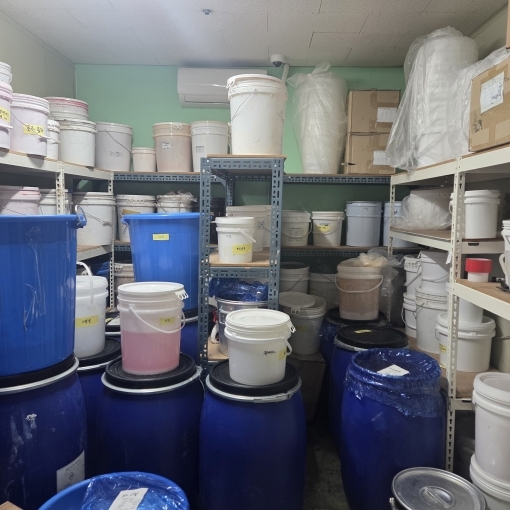
In the highly regulated chemical supply space, quality control is paramount. Chengdu Spekciton Biology implements a rigorous multi-stage quality assurance system spanning raw material procurement, catalytic processing, purification, and hazard testing. Our laboratories are equipped with HPLC, GC-MS, and particle size analyzers to guarantee that all manufactured surfactants comply with international purity limits and microbiological criteria.
By executing localized research strategies and customized material formulations, we assist global brands in meeting stringent regional regulations while maintaining cost efficiency and production agility.

Connecting high-capacity chemical synthesis lines with demanding industrial hubs worldwide.
How our custom-tailored surfactant configurations drive technological breakthroughs and operational optimization in real-world environments.
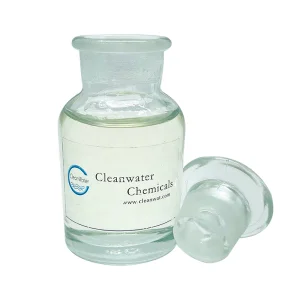
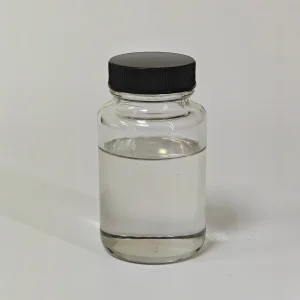
Our specialty lactic acid liquid agents and coating auxiliaries eliminate pinholes, orange peels, and edge crawling. By modifying surface tension gradients at the substrate interface, they deliver uniform leveling and maximum adhesion.
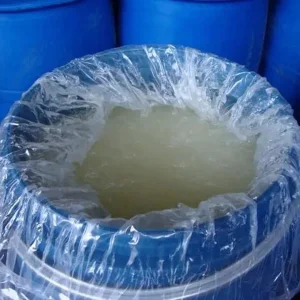
We provide high-purity SLES 70% and amino acid surfactants like Sodium Cocoyl Isethionate, designed for dense foaming, rapid dirt solubilization, and soft skin feel in baby care and professional cosmetics.
Our ultra-high temperature, salt-tolerant rheology-modifying surfactants reduce viscosity in deep reserves, maintaining molecular stability at high pressure and salinity to improve crude mobilization.
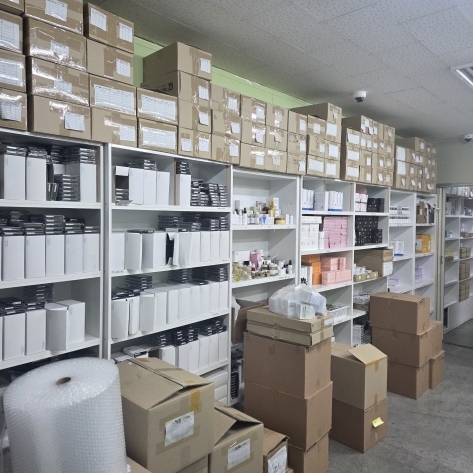
Surfactants (surface-active agents) are amphiphilic molecules containing both hydrophobic (tail) and hydrophilic (head) groups. When dissolved in water, they concentrate at the interface, aligning themselves to reduce the interfacial tension between two immiscible phases, such as oil and water.
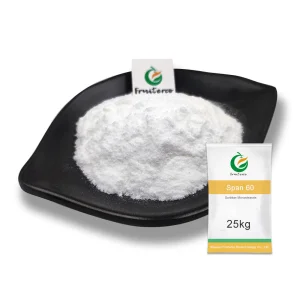
Our research focuses on configuring the Hydrophilic-Lipophilic Balance (HLB) of surfactant molecules. Lower HLB surfactants (like Span 60, HLB ~4.7) serve as excellent water-in-oil (W/O) emulsifiers. Conversely, high HLB surfactants (like SLES 70%) dissolve easily in water, generating massive micellar structures that isolate soil and stabilize oil-in-water (O/W) emulsions.
By tailoring critical micelle concentration (CMC) limits through precise molecule synthesis, we ensure that our surfactants exhibit maximum efficiency even at low dosage rates, lowering operating costs for bulk processors.
Standardized chemical criteria of key surfactant classes from our global export inventory.
| Surfactant Class | Key Representative Product | Primary Functions | Industry Applications |
|---|---|---|---|
| Nonionic | Span-60 Sorbitan Monostearate | W/O Emulsification, Crystal Modification | Food Production, Topical Cosmetics |
| Anionic | Sodium Lauryl Ether Sulfate (SLES 70%) | High Foaming, Rapid Wetting, Micellar Cleansing | Detergents, Shampoos, Car Washes |
| Cationic | Quaternary Ammonium Salt / Polyamine | Antistatic, Conditioning, Flocculation | Hair Conditioners, Wastewater Treatment |
| Amino Acid (Mild Anionic) | Cocoyl Glutamic Acid / SCI | Ultra-Gentle Cleansing, Dense Creamy Lather | Baby Skincare, Clean Beauty, Solid Cleansers |
| Polymeric / Auxiliary | Anionic Polyacrylamide (PAM) | Rheology Modification, Flocculation, Thickening | Industrial Process Water, Enhanced Oil Recovery |
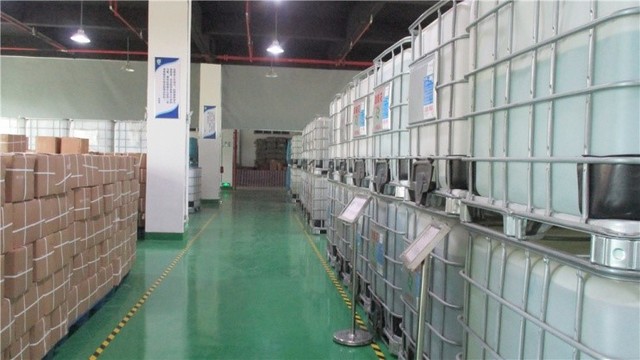
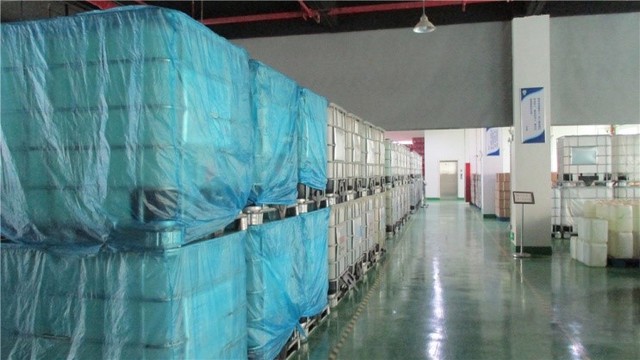
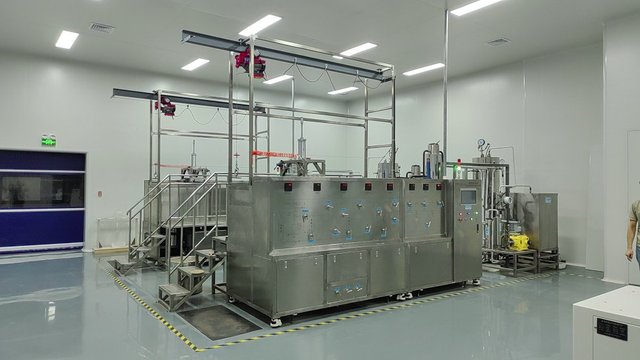
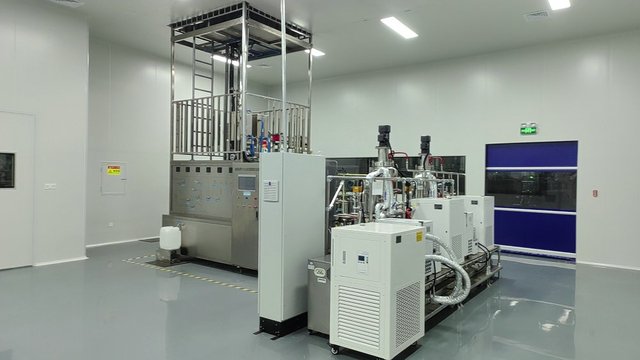
A visual tour of our production plants and testing laboratories, showing our capacity to scale and deliver consistent chemical formulations.

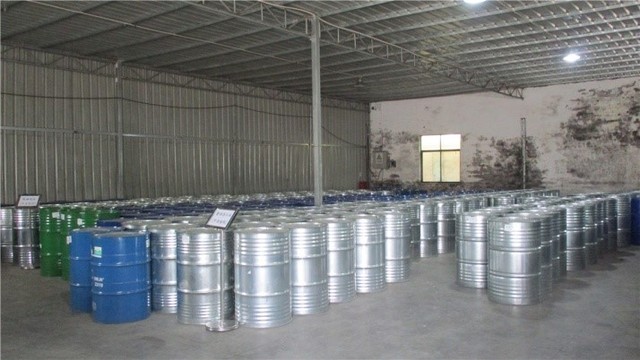
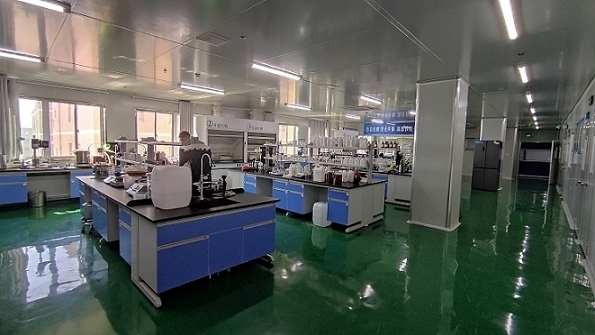
For solid powder surfactants and dry additives, Spekciton utilizes high-capacity horizontal plough multi-phase blending mixers. These systems can process up to 150 tons of dry compound per day, ensuring complete homogenizing of multi-ingredient formulation bases without thermal degradation or particle agglomeration.
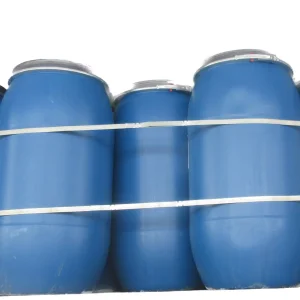
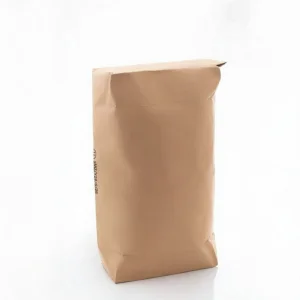
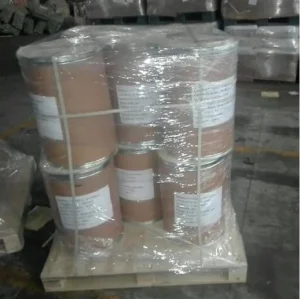
We supply materials packaged in robust moisture-barrier bags, supersacks, and custom drums. This packaging maintains ingredient dryness and prevents cake formation during maritime shipping, preserving product performance from our factory directly to your production line.

Navigating global chemical exports requires deep regulatory knowledge. Spekciton ensures all products ship with full technical documentation, including Safety Data Sheets (SDS), Certificates of Analysis (COA), and technical datasheets.
We comply with key chemical frameworks including REACH (Europe), TSCA (USA), and local cosmetic regulation directories. Our team works with shipping lines to manage custom clearance and supply-chain logistics. This prevents import delays and ensures our chemical ingredients reach factories safely and on time.
For cosmetic formulations, we also support clean beauty initiatives by offering sulfate-free options, bio-based alternatives, and cruelty-free ingredients that match the sustainability goals of modern brands.

How Spekciton is advancing surfactant synthesis toward fully renewable, biodegradable, and circular carbon chemistries.
Replacing standard petroleum derivatives with natural fatty acids (coconut, palm kernel, and sunflower oils) to create renewable anionic and nonionic surfactants with low eco-toxicity profiles.
Utilizing low-energy biocatalysts to form sugar-derived surfactants. This eliminates high-temperature condensation steps and reduces greenhouse gas emissions during manufacturing.
Scaling up fermentation technologies to produce pure glycolipid surfactants. These biosurfactants offer rapid biodegradability, extremely low critical micelle concentration (CMC), and high skin compatibility.
Expert answers to common questions about surfactant specifications, chemical compatibility, and sourcing logistics.
Mixing anionic surfactants (like SLES 70%) and cationic surfactants (like Quaternary Ammonium Salts) directly can cause precipitation. This happens because opposite charges attract, forming insoluble salts. To prevent this, we recommend adding nonionic co-surfactants (like Span 60) or amphoteric stabilizers. These additives create steric barriers that shield the charged headgroups, preventing precipitation and keeping the system stable.
Sodium Cocoyl Isethionate (SCI) is highly resistant to hard water and exhibits a low solubility limit in cold water. This makes it ideal for solid bars, syndet soaps, and concentrated powders. It provides a rich, creamy lather without stripping the skin's natural lipid barrier, making it perfect for sensitive skin and baby care formulations.
Our salt-tolerant viscosity reducers feature modified polymers with hydrophilic sulfonic groups. Unlike standard polymers, these chains do not collapse in high-salinity brine (like sodium chloride and calcium chloride). Instead, they remain extended, maintaining rheology and flow control even in high-temperature, high-pressure wells.
We use heavy-gauge PE bags with moisture-barrier linings. For hygroscopic powders, we include desiccant packets and stretch-wrap pallets in UV-shielding film. This seals out moisture during long sea transit, keeping the powder dry and free-flowing when it arrives.
Technical-grade surfactants, polymeric thickeners, and raw chemical machinery components designed for modern manufacturing processes.

 Spekciton Biology