Explore our cutting-edge raw materials, active peptides, and scalp care formulations engineered for high-performance cosmetics.
Understanding B2B market dynamics, technical regulatory demands, and semantic search queries in the biological hair care sector.
Modern formulations demand ingredients that treat the scalp with the same intensity as facial skincare. Active agents like Squalane, Biotinoyl Tripeptide-1, and Palmitoyl Tetrapeptide-20 have transitioned from anti-aging skin products into high-efficacy scalp serums.
With stricter global standards (EU REACH, FDA MoCRA, China CSAR), manufacturing lines must guarantee raw materials are heavy-metal free, non-sensitizing, and accurately documented with complete MSDS and COA certificates.
Cationic surfactants like BTMS-50 and biopolymers like HPG Guar Gum are experiencing rapid B2B market growth as brands pivot away from petrochemical-derived thickeners and non-biodegradable silicones toward sustainable plant bases.
Formulating functional hair care products requires an understanding of how raw materials interact with the complex anatomical structure of the hair shaft and the scalp's follicular environment. The hair shaft, composed of a cuticular sheath enveloping the cortex, relies heavily on disulfide-bonded proteins for its mechanical strength. When external stressors—such as UV radiation, chemical processing, or heat application—degrade this structure, the hair becomes porous, brittle, and subject to structural failure.
Biotinoyl Tripeptide-1 is a key molecule in the mitigation of premature follicular senescence. This peptide acts by stimulating the expression of adhesion proteins at the dermal-epidermal junction of the hair follicle. Synthesized through the conjugation of biotin with Gly-His-Lys (GHK), this tripeptide promotes the synthesis of laminin-5 and collagen IV within the hair follicle bulb. The upregulation of these structural proteins anchors the hair bulb firmly within the dermal papilla, delaying the transition of follicles from the anagen (growth) phase to the telogen (shedding) phase.
Palmitoyl Tetrapeptide-20 represents the vanguard of biotech-driven repigmentation. Graying is caused by a decline in melanogenesis within the hair bulb melanocytes and an increase in oxidative stress (accumulation of hydrogen peroxide). Palmitoyl Tetrapeptide-20 operates on two fronts: it acts as an agonist of MC1-R (Melanocortin 1 Receptor) to stimulate melanin synthesis, and it upregulates catalase expression, which catalyzes the breakdown of hydrogen peroxide into water and oxygen, protecting the hair follicle from oxidative bleaching.
Conditioning agents are evaluated on their ability to neutralize the negative electrostatic charge (zeta potential) of damaged hair shafts. Cationic surfactants, such as BTMS-50 (Behentrimonium Methosulfate), adsorb to the hair surface via electrostatic attraction, creating a uniform, hydrophobic lubricating layer that reduces wet combing force and prevents static charge buildup. Similarly, conditioning polymers like Polyquaternium-7 and Polyquaternium-10 provide film-forming capabilities that smooth cuticular scales, enhancing light reflection (gloss) and protecting the cortex from environmental stressors.
| Ingredient Name | CAS Number | Primary Biological / Chemical Function | Recommended Dosage | Typical Applications |
|---|---|---|---|---|
| Biotinoyl Tripeptide-1 | 299157-54-3 | Follicular cell anchoring, collagen IV & laminin-5 synthesis stimulation | 0.005% - 0.05% (pure) | Anti-loss hair serums, brow growth formulations |
| Palmitoyl Tetrapeptide-20 | 1802094-06-3 | MC1-R agonist, catalase upregulation, melanogenesis activation | 0.005% - 0.02% (pure) | Anti-graying treatments, hair root revitalizing lotions |
| Hydrolyzed Keratin | 69430-36-0 | Cortical micro-fibril repair, protein loss compensation | 0.5% - 5.0% | Deep conditioning masks, hair smoothing shampoos |
| BTMS-50 | 81646-13-1 | Cationic emulsification, wet combing force reduction, detangling | 1.0% - 10.0% | Solid conditioner bars, rinse-off hair treatments |
| Polyquaternium-10 | 81859-24-7 | Cationic film former, substantive conditioning, combability enhancement | 0.1% - 1.5% | 2-in-1 conditioning shampoos, leave-in serums |
Leading China Cosmetic Ingredients Manufacturer & Supply Partner
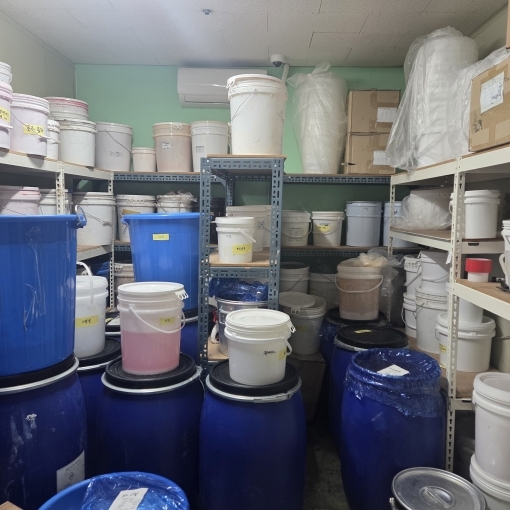
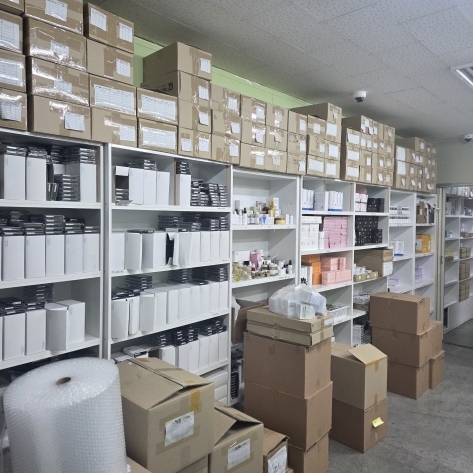
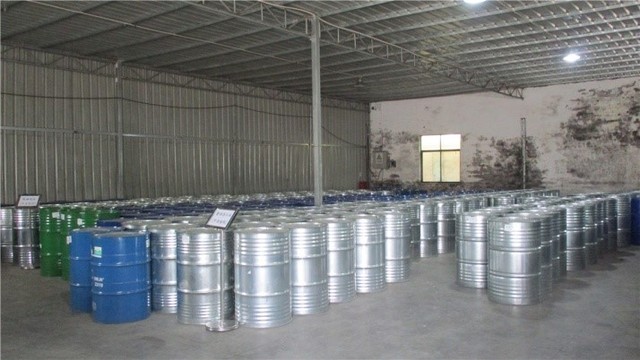
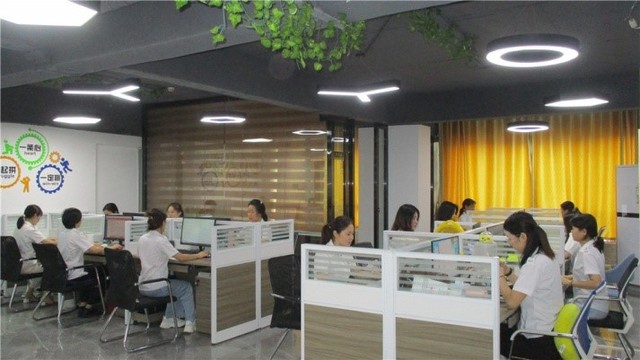
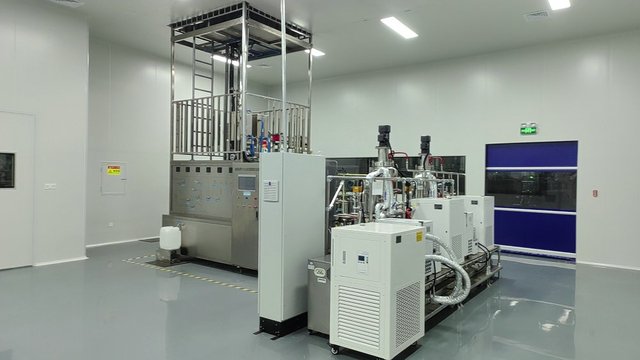
Chengdu Spekciton Biology Co., Ltd. is a professional China cosmetic ingredients manufacturer specializing in the research, development, production, and supply of high-quality personal care raw materials for skincare, haircare, and beauty applications. With a commitment to innovation, quality, and sustainability, the company provides comprehensive ingredient solutions to cosmetic brands, formulators, and manufacturers worldwide.
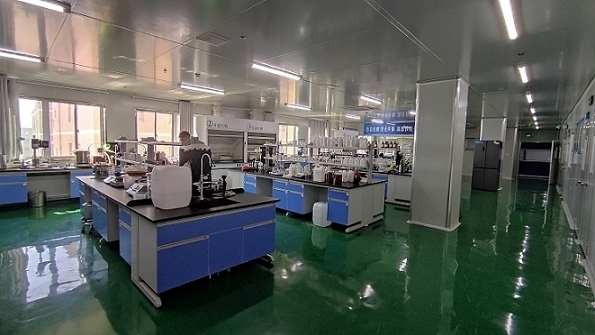
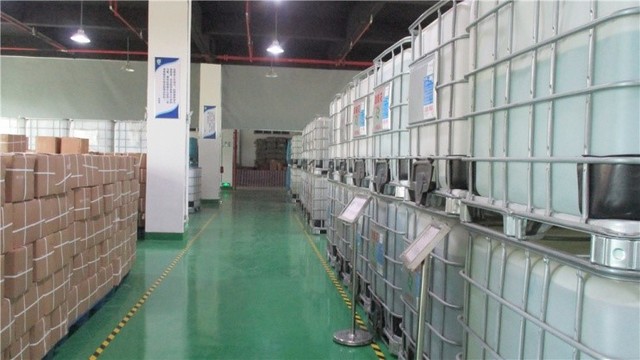
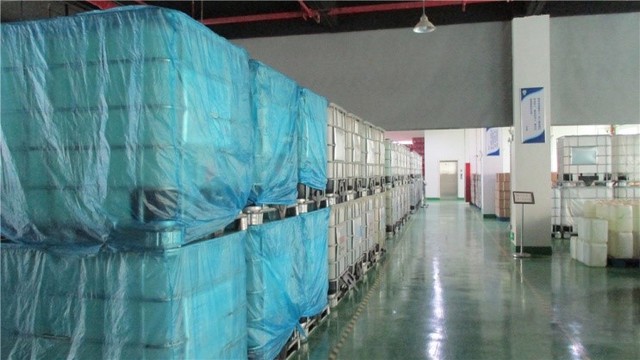
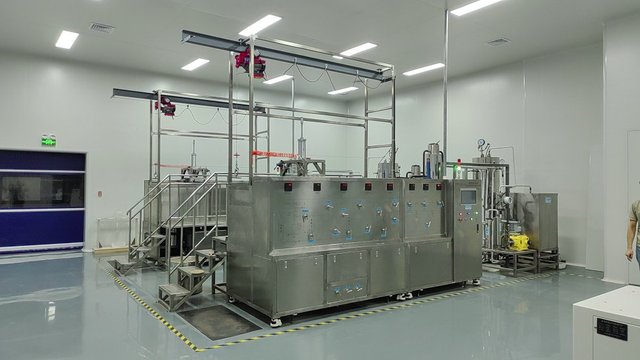
Backed by advanced research capabilities and modern production facilities, Chengdu Spekciton Biology offers a diverse portfolio of cosmetic ingredients, including active ingredients, botanical extracts, peptides, moisturizing agents, anti-aging ingredients, fermentation-derived ingredients, and other functional raw materials. These ingredients are widely used in skincare products, hair care formulations, color cosmetics, personal hygiene products, and clean beauty applications.
Innovation is at the core of the company's development strategy. Its experienced R&D team continuously explores new technologies and bioactive compounds to meet the evolving demands of the global beauty and personal care industry. The company also provides customized ingredient solutions to help customers optimize product performance, improve formulation efficiency, and accelerate product development.
Quality assurance is integrated into every stage of production. From raw material sourcing and manufacturing to final product testing, Chengdu Spekciton Biology implements strict quality control systems to ensure product consistency, purity, safety, and compliance with international standards.
With a customer-oriented approach, reliable supply capabilities, and strong technical support, Chengdu Spekciton Biology Co., Ltd. has established long-term partnerships with customers across global markets. The company remains dedicated to delivering innovative cosmetic ingredient solutions that empower brands to create safe, effective, and sustainable beauty products for consumers worldwide.



Solving complex hair care challenges with adaptive chemical systems designed for regional climate variants and ethnic hair profiles.
In regions with high carbonate tap water (e.g., portions of Western Europe and the US Midwest), calcium/magnesium salts bind to hair proteins, causing stiffness and color fading. We offer formulations combining biopolymers (HPG Guar Gum) and biodegradable chelators to prevent salt deposition, maintaining soft texture and pigment longevity.
For metropolitan markets in Asia-Pacific, particulate matter (PM2.5) adheres to sebum, oxidizing into scalp-irritating free radicals. Our solutions incorporate Silk Peptide Powder and Palmitoyl Tetrapeptide-20 to build a lightweight, non-greasy micro-shield that prevents airborne particle adhesion and protects follicle viability.
Tropical and coastal markets require moisture-barrier matrices. Combining Organic Dimethicone with Hydrolyzed Keratin forms a hydrophobic protective coating that limits atmospheric moisture absorption, maintaining style memory and cuticular alignment even at 90%+ relative humidity.
The global personal care landscape is undergoing a paradigm shift towards biotechnological synthesis. The standard petrochemical derivatives are systematically being phased out in favor of clean, bio-fermented alternatives. Our research and development pipeline is currently structured to address three core technological areas:
Addressing core formulation inquiries, processing requirements, and technical compliance standards for sourcing managers.
Unlike minoxidil, which acts strictly as a vasodilator, Biotinoyl Tripeptide-1 addresses the structural foundation of the hair follicle. It increases the synthesis of collagen IV and laminin-5, anchoring the hair bulb within the dermal papilla. It functions without the common vasodilatory side effects of minoxidil, making it highly desirable for clean-label botanical cosmetics.
BTMS-50 is oil-soluble and must be hot-processed. It should be melted in the oil phase at approximately 75°C - 80°C before emulsifying with the aqueous phase. To preserve emulsion stability, the system's final pH should be adjusted between 4.0 and 5.5, which aligns with the natural pH range of healthy human hair and skin.
Our factory employs high-performance liquid chromatography (HPLC) and size-exclusion chromatography to test molecular weight distributions for every batch. Furthermore, we maintain ISO 9001 and Good Manufacturing Practices (GMP) systems to ensure purity, heavy-metal compliance, and microbiological standards.
Complete your product line formulations with these globally sourced cosmetic actives and performance-modifying bases.
 Spekciton Biology