The Technical Imperative of Emulsifiers in Modern Industry
Emulsifiers form the thermodynamic backbone of modern formulation science. At their core, these surface-active agents (surfactants) reduce the interfacial tension between immiscible phases—predominantly water and oil—to prevent macroscopic phase separation, coalescence, and sedimentation. Whether designing a high-stability skincare cream, structural food matrices, or industrial demulsification processes, selecting the correct emulsifier architecture dictates the product's shelf-life, sensory profile, and chemical efficacy.
99.8%
Purity Consistency
50+
Global Markets
10K+ Tons
Annual Output
0%
PEG Content Options
By leveraging Hydrophilic-Lipophilic Balance (HLB) calculations, formulators align the molecular characteristics of their emulsion with target operating systems. Low HLB emulsifiers (3–6) favor Water-in-Oil (W/O) structures, whereas high HLB systems (8–18) promote Oil-in-Water (O/W) matrices. As consumer demand swings heavily toward green chemistry and sustainability, the chemical industry is witnessing a rapid evolution from petroleum-derived compounds to plant-based, bio-fermented, and PEG-free alternatives that do not compromise performance metrics.
Corporate Overview
About Chengdu Spekciton Biology Co., Ltd.
Chengdu Spekciton Biology Co., Ltd. is a professional China cosmetic ingredients manufacturer specializing in the research, development, production, and supply of high-quality personal care raw materials for skincare, haircare, and beauty applications. With a commitment to innovation, quality, and sustainability, the company provides comprehensive ingredient solutions to cosmetic brands, formulators, and manufacturers worldwide.
Backed by advanced research capabilities and modern production facilities, Chengdu Spekciton Biology offers a diverse portfolio of cosmetic ingredients, including active ingredients, botanical extracts, peptides, moisturizing agents, anti-aging ingredients, fermentation-derived ingredients, and other functional raw materials. These ingredients are widely used in skincare products, hair care formulations, color cosmetics, personal hygiene products, and clean beauty applications.
R&D and Innovation Strategy
Innovation is at the core of Chengdu Spekciton Biology's development strategy. Its experienced R&D team continuously explores new technologies and bioactive compounds to meet the evolving demands of the global beauty and personal care industry. The company also provides customized ingredient solutions to help customers optimize product performance, improve formulation efficiency, and accelerate product development timelines.
Quality assurance is integrated into every stage of production. From raw material sourcing and manufacturing to final product testing, Chengdu Spekciton Biology implements strict quality control systems to ensure product consistency, purity, safety, and compliance with rigorous international regulatory frameworks.
With a customer-oriented approach, reliable supply capabilities, and strong technical support, Chengdu Spekciton Biology Co., Ltd. has established long-term partnerships with customers across global markets. The company remains dedicated to delivering innovative cosmetic ingredient solutions that empower brands to create safe, effective, and sustainable products for consumers worldwide.
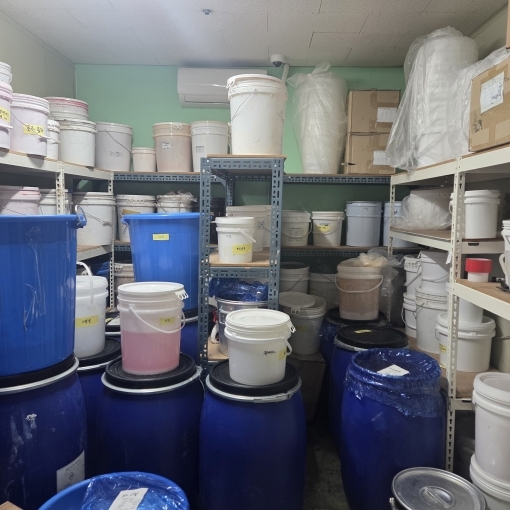
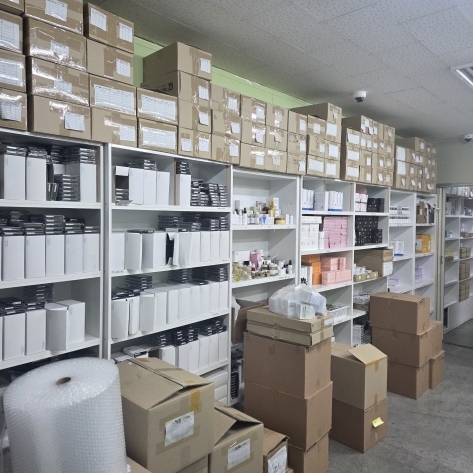
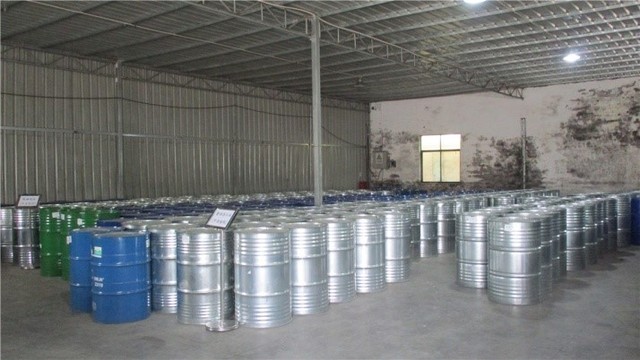
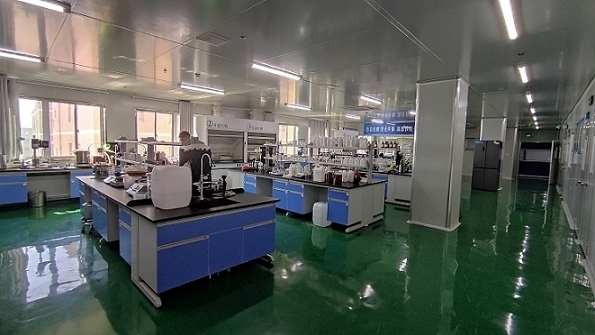
Manufacturing & R&D Facility Showcase
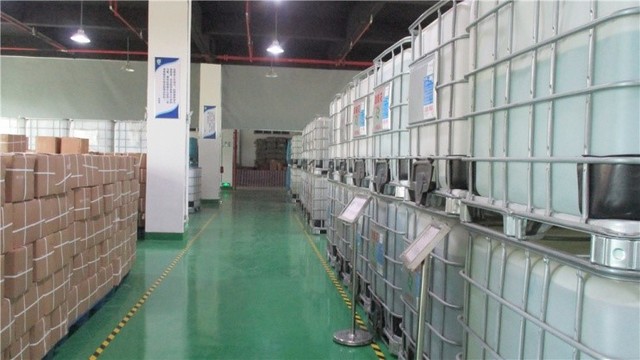
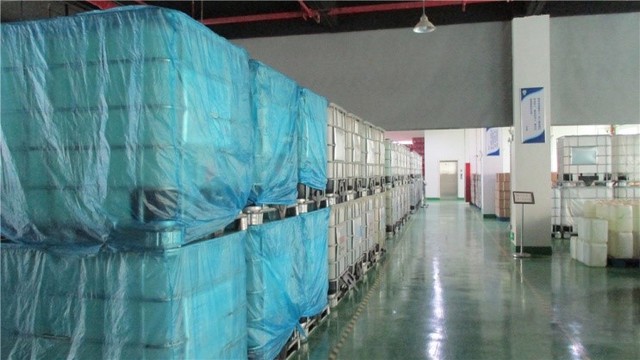
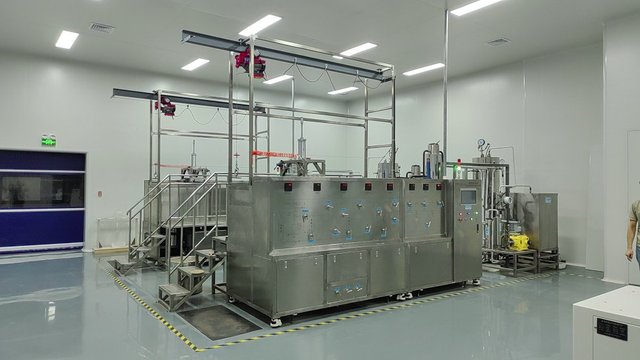
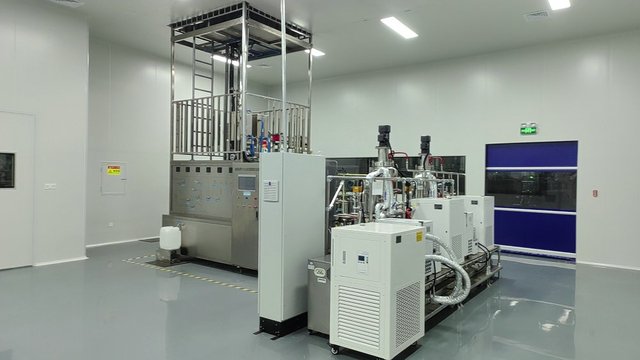
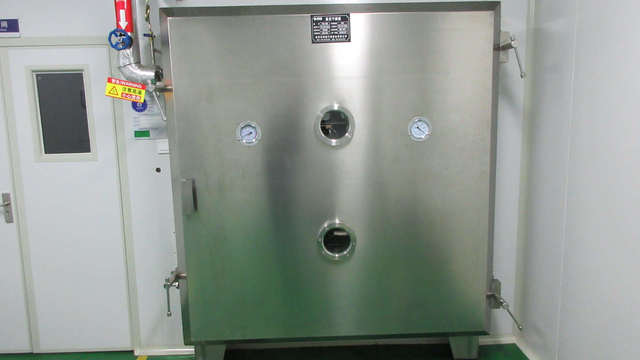
Below are authentic captures of our manufacturing floor, storage lines, quality analysis equipment, and logistics facilities in China. These images underscore our commitment to physical asset transparency and industrial rigor.
Competitive Advantage
The Strategic Advantage of China Emulsifier Manufacturing
Global formulation supply chains require two core capabilities: robust manufacturing resilience and uncompromised quality. The Chinese chemical cluster, specifically in regions harboring high-tech biochemical centers like Chengdu, offers unique systemic advantages to international enterprises:
Upstream Supply Chain Integration: Chinese manufacturers benefit from direct proximity to critical primary raw materials. Whether utilizing local agricultural derivatives (like coconut and palm oils for biosurfactants) or synthetic base intermediates, this localized sourcing cuts down material procurement lead times and shields against geopolitical shipping shocks.
Scale-Dependent Cost Efficiencies: Our highly automated facilities are engineered for batch flexibility. We execute large-scale continuous synthesis alongside smaller specialized runs with minimal line downtime, delivering cost benefits directly to our clients without compromising the tightest chemical specification tolerances.
R&D and Green Chemistry Transposition: Supported by strict state policies prioritizing carbon neutralization and environmental safety, Chinese manufacturers are at the forefront of green surfactant technology. This includes optimizing low-temperature esterification processes and scale production of non-ionic alkyl polyglucosides (like Coco Glucoside) and PEG-free biomimetic emulsifiers (like Olivem 1000 equivalents).
Industry Segments
Macro Industry Solutions: Targeted Emulsification Frameworks
Emulsifiers are not one-size-fits-all agents. A formulation's mechanical, chemical, and regulatory environment dictates the selection of its surfactant package. Spekciton Biology designs and exports target solutions for four core industrial segments:
Cosmetics & Personal Care
Developing lightweight, sensory-pleasing emulsions with high skin compatibility and clean-label compliance.
Cationic systems (BTMS 50) for hair softening and conditioning.
PEG-Free self-emulsifying waxes (Olivem 1000) for biomimetic skin lipids.
Synthetic rheology modifiers (Sepigel 305) for instant emulsification-thickening.
Food & Pastry Applications
Enhancing structural matrices, gas retention, and shelf-stability under wide temperature variances.
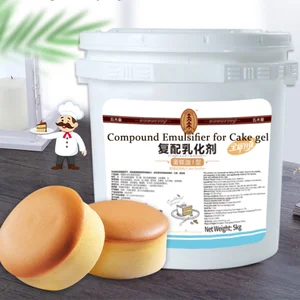
Cake gel improvers and emulsifiers for crumb structure refinement.
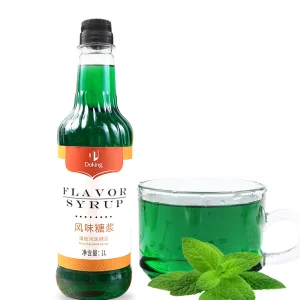
Specialty syrups (Mojito / Glucose based) acting as viscosity modifiers.
Polysorbate food grades for flavor solubilization and cloud stability.
Industrial & Environmental
Targeted dispersion breaking, wastewater filtration, and film lamination polymers.
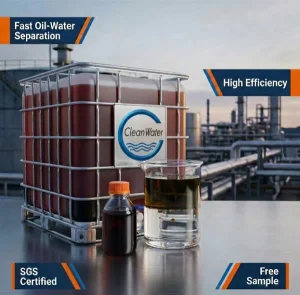
Oil-soluble & water-soluble demulsifiers for crude refinery processes.
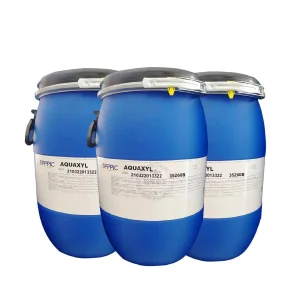
Water-based acrylic polymer emulsions for durable film lamination.
Polysorbate surfactants for industrial washing and degreasing agents.
Procurement & Strategy
Global Procurement & Technical Compliance Protocol
For B2B buyers, importing chemical raw materials requires passing stringent verification hurdles. At Chengdu Spekciton Biology Co., Ltd., we establish supply-chain security by adhering strictly to global technical standards:
1. Structural Traceability & Certificates of Analysis (CoA)
Every single batch of our BTMS-50, Sepigel 305, or Polysorbate 80 is accompanied by gas chromatography (GC) and high-performance liquid chromatography (HPLC) profiles. This guarantees that parameters like active substance percentage, free ethylene oxide content (for ethoxylated products), heavy metals, and microbiological counts fall comfortably within international pharmacopeia limits.
2. Global Customs & Environmental Compliance
We ensure that our export products comply with European REACH regulations, US FDA requirements for cosmetic and food additives, and COSMOS/Ecocert guidelines for natural cosmetic formulations. Proper packaging in air-tight, UV-resistant HDPE drums or IBC tanks prevents material degradation during transoceanic shipping.
3. Technical Formulator Support
Beyond raw supply, our laboratories provide pilot-scale formulation matching. If a client is transitioning away from PEG-based emulsifiers, our application engineers formulate customized natural alternatives, comparing viscosity profiles and centrifugation outcomes to ensure zero drop-off in shelf stability.
Global Trends
Future Trends in Emulsifier Chemistry (2025-2030)
The chemical industry is pivoting from simple surfactant mixtures to smart, responsive interfaces. Key developmental areas include:
Biosurfactants and Fermented Emulsifiers: Utilizing microorganisms to synthesize glycolipids (like rhamnolipids and sophorolipids). These display remarkably low critical micelle concentration (CMC) values and superior biocompatibility.
Pickering Emulsions: Stabilizing emulsion droplets using sub-micron solid particles (like starch nanocrystals or colloidal silica) instead of traditional surfactants. Pickering emulsions offer near-infinite resistance to coalescence, a critical benefit in advanced dermatology products and industrial coatings.
Polymeric Emulsifiers: High molecular weight emulsifiers that block droplet coalescence via steric hindrance rather than simple electrostatic repulsion. This tech is showcased in multi-phase acrylic dispersions and water-based laminates.
FAQ Center
Technical FAQ & Formulation Support
Q1: How does BTMS-50 differ from BTMS-25 in hair care formulations?
BTMS-50 contains 50% active Behentrimonium Methylsulfate blended with cetyl alcohol and butylene glycol, whereas BTMS-25 contains only 25% active ingredient. The higher active load in BTMS-50 allows formulators to introduce fewer solid waxes into conditioning formulas, resulting in a cleaner, non-greasy hair feel, superior wet-combing performance, and better deposition onto keratin surfaces.
Q2: Can Olivem 1000 be used in cold-process formulations?
Olivem 1000 is a hot-process emulsifier with a melting point of approximately 60-65°C. It requires both the water and oil phases to be heated to 70-75°C to form a stable liquid crystalline structure. For cold-process applications, formulators should combine it with pre-neutralized rheology modifiers like Sepigel 305 to ensure low-energy stabilization.
Q3: What is the functional role of L-Lysine Hydrochloride in food systems?
While primarily utilized for its nutritional amino acid profile, L-Lysine Hydrochloride acts as an enzymatic promoter and structural thickener in specialized food formulations. It interacts with protein matrices to alter water-binding capacities, improving the overall emulsion stability of high-protein baked products and meat matrices.
Q4: How does Sepigel 305 achieve emulsification without heating?
Sepigel 305 is an inverse emulsion containing a pre-neutralized polymer (Polyacrylamide) dispersed in a carrier oil (C13-14 Isoparaffin) along with a non-ionic surfactant (Laureth-7). Upon addition to water, the polymer chain instantly swells and uncoils, creating a 3D gel network that traps oil droplets. This enables stable emulsification at room temperature without thermal energy inputs.
Q5: What are the primary differences between Polysorbate 20 and Polysorbate 80?
The primary difference lies in the fatty acid tail attached to the polyoxyethylene sorbitan core. Polysorbate 20 is esterified with lauric acid (C12), yielding an HLB value of 16.7, making it ideal for solubilizing essential oils in water. Polysorbate 80 is esterified with oleic acid (C18), yielding an HLB of 15.0, which is highly suited for dispersing vegetable oils and heavier lipophilic actives in O/W emulsions.
Q6: How do industrial demulsifiers separate water from crude oil?
Industrial demulsifiers are highly specialized surfactants with precise HLB values. When injected into oil-water emulsions, they migrate to the droplet interface, displacing the naturally occurring stabilizing films (like asphaltenes and resins). Once these films are disrupted, the water droplets coalesce into larger masses and separate under gravity, allowing clean water removal.
Q7: Why are PEG-free emulsifiers preferred in clean beauty cosmetics?
PEG (polyethylene glycol) compounds are synthesized using ethylene oxide, which carries risks of trace 1,4-dioxane contamination. Clean beauty standards demand PEG-free alternatives (such as polyglyceryl esters and alkyl polyglucosides) because they are bio-degradable, sourced from renewable crops, and do not carry concerns regarding industrial chemical trace residues.
Q8: What is the advantage of using Coco Glucoside over sodium lauryl sulfate (SLS)?
Coco Glucoside is a non-ionic surfactant synthesized from coconut alcohol and glucose. Unlike anionic surfactants like SLS, it does not strip lipids from the skin barrier, yielding a significantly lower irritation profile. It is highly biodegradable, exhibits excellent foam stabilization properties, and is compatible with all surfactant classes.
Q9: What packaging standards are used to ensure shelf stability during export?
For liquid and gel-grade emulsifiers, we use nitrogen-purged HDPE drums or heavy-duty IBC totes to prevent oxidation. Solid waxes are packed in double-sealed polyethylene inner bags within cardboard cartons or fiber drums. Our climate-controlled staging areas ensure raw materials are not exposed to excessive temperatures before loading.
Q10: Does Spekciton Biology provide custom synthesis of specialty surfactants?
Yes, our production plant features versatile glass-lined chemical reactors that support custom esterification, ethoxylation, and polymerization. We work closely with brand owners to develop unique surfactant profiles, adapting carbon chain lengths or hydrophilicity to meet custom viscosity and structural requirements.
Industrial Solutions
Advanced Emulsifiers & Active Portfolio - Part II
High-performance demulsifiers, surfactants, and specialty agents for diverse markets
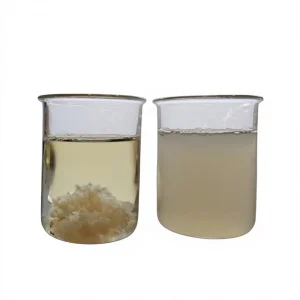
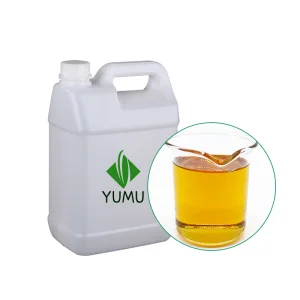
Industrial Demulsifier Liquid Oil Soluble & Water Soluble For Wastewater & Oil Refinery



 Spekciton Biology