Featured chemical raw materials engineered for optimal performance in hard water conditions and regional industrial standards across the Kathmandu Valley.
The Kathmandu Valley—encompassing Kathmandu, Lalitpur, and Bhaktapur—represents the central commercial, industrial, and fast-moving consumer goods (FMCG) manufacturing hub of Nepal. Over the past decade, the rapid expansion of local personal care compounding units, institutional sanitization chemical blenders, architectural coating facilities, and agricultural additive distributors has generated unprecedented demand for high-performance surfactant ingredients. However, chemical formulators operating within the Kathmandu basin face distinct environmental and chemical engineering challenges that necessitate precise ingredient selection.
One of the primary physical constraints in Kathmandu’s manufacturing landscape is groundwater chemistry. Industrial units operating in districts such as Balaju Industrial Area, Patan Industrial Estate, and the outskirts of Bhaktapur frequently utilize deep groundwater or municipal surface water supplies that exhibit high mineral hardness, elevated calcium/magnesium carbonate concentrations, and seasonal fluctuations in pH. Standard surfactant formulations utilizing low-purity linear alkylbenzene sulfonate (LAS) or un-ethoxylated surfactants tend to form insoluble calcium salts, resulting in cloudiness, reduced surface tension lowering efficiency, precipitation, and compromised foam stability.
Formulation Insight for Kathmandu Manufacturers: Incorporating high-purity ethoxylated anionic surfactants such as Sodium Lauryl Ether Sulfate (SLES 70%) alongside mild non-ionic or amino acid co-surfactants (e.g., Sodium Cocoyl Isethionate, Cocoyl Glutamic Acid) drastically increases tolerance against calcium ion precipitation in hard water, maintaining critical micelle concentration (CMC) efficiency even at elevated mineral levels.
Historically, chemical buyers in Nepal relied on fragmented import channels with significant price markups and inconsistent batch-to-batch active matter percentages. Today, direct procurement from integrated Chinese manufacturing enterprises—such as Chengdu Spekciton Biology Co., Ltd.—offers Kathmandu factories a decisive competitive advantage. Through optimized trans-Himalayan supply corridors (via Tatopani and Rasuwagadhi border crossings or maritime-to-inland transit via Kolkata to Birgunj ICD and onward truck movement up the Tribhuvan Highway), Chinese manufacturing efficiency ensures ultra-consistent chemical purity, lower logistics cost overhead, and dependable lead times.
Direct factory bulk supply eliminates intermediary markups, providing Kathmandu formulators with raw materials optimized for high dilution ratios without loss of active foam or cleaning power.
Every batch undergoes rigorous HPLC and GC testing, ensuring compliance with international cosmetic standards, ISO certification, and Nepal DFTQC safety parameters.
Streamlined overland and multi-modal transit routes tailored for Nepal importers, ensuring sealed container integrity, climate protection, and rapid customs clearance.
Surfactants serve as the functional backbone across diverse industrial domains in Kathmandu. Selecting the appropriate molecular structure—anionic, nonionic, cationic, or amphoteric—is vital for maximizing product stability, foam dynamics, wetting speed, and viscosity control.
| Surfactant Chemical Class | Representative Compounds | HLB Range / Ion Characteristics | Primary Application in Kathmandu Market |
|---|---|---|---|
| Anionic Surfactants | SLES 70%, Sodium Lauryl Sulfate, Polyacrylamide (PAM) | High Hydrophilic (HLB > 20), Negative Charge | FMCG Shampoo, Liquid Detergents, Industrial Degreasers, Flocculants |
| Mild Amino Acid Anionics | Sodium Cocoyl Isethionate (SCI 80%), Cocoyl Glutamic Acid | Mild Surface Active, Low Irritation | Sulfate-free Baby Care, Premium Facial Cleansers, Clean Beauty Bars |
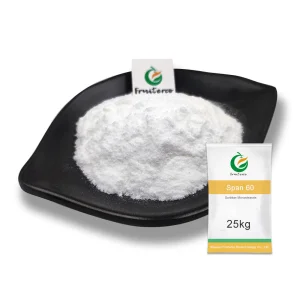
| Non-Ionic Surfactants | Span 60 (Sorbitan Monostearate), Lactic Acid Derivatives | HLB 4.7 – 15, Neutral Charge | Emulsifiers for Food Processing, Architectural Paints, Emulsion Polymerization |
| Cationic Surfactants | Quaternary Ammonium Salts, Polyquaterniums (PQ-7/10/37) | Positive Charge, High Substantivity | Fabric Conditioners, Hair Conditioning Agents, Disinfectant Sanitizers |
The consumer base in Kathmandu, Pokhara, and surrounding urban centers is rapidly leaning toward sulfate-free, mild, and natural-derived personal hygiene products. Traditional formulations based purely on low-cost sulfates often cause skin dryness and hair protein denaturation, especially during Kathmandu’s dry winter months. By integrating mild amino acid surfactants such as Cocoyl Glutamic Acid Powder and Sodium Cocoyl Isethionate (KY-SCI-80), local formulators can create rich, dense, non-stripping foams that meet the expectations of modern eco-conscious consumers.
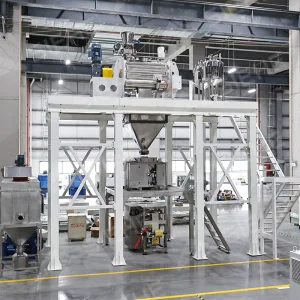
In the institutional and household cleaning sectors, high active-matter SLES 70% remains the indispensable workhorse surfactant. When properly buffered with salt and co-surfactants, it provides exceptional emulsification of sebum, dirt, and industrial grease. Kathmandu laundry product manufacturers utilize high-density blending mixers to process liquid and powder detergents capable of maintaining solubilization even when dissolved in cold, high-mineral river or well water.
Kathmandu’s infrastructure and residential construction sectors demand durable exterior coatings capable of withstanding heavy monsoons and intense UV exposure. Specialty liquid surfactants, such as Lactic Acid Liquid Surfactant Coating Auxiliary Agents and Anti-Leak Surfactant Additives, enhance pigment wetting, prevent latex emulsion shearing, improve anti-streaking properties, and ensure 99.99% coating uniformity across masonry surfaces.
Empowering Asian and Global Cosmetic and Chemical Formulators with Advanced Synthetic & Bio-fermentation Ingredients
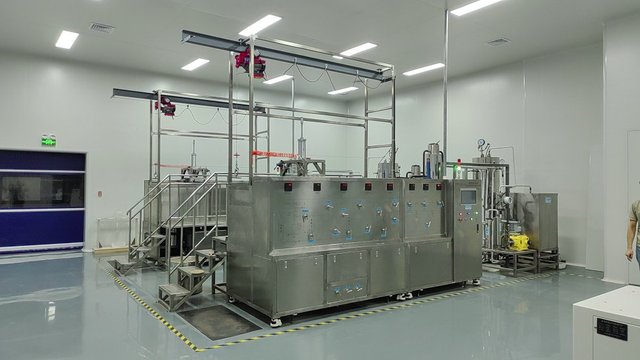
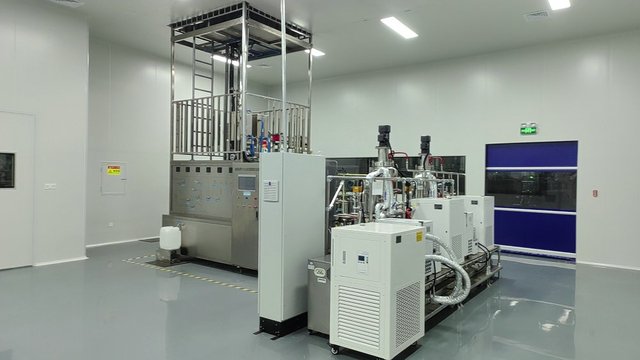
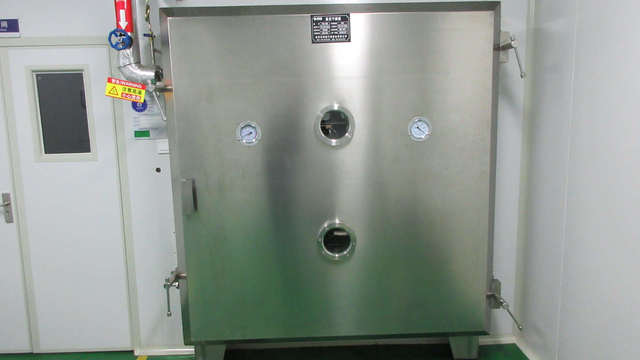
Chengdu Spekciton Biology Co., Ltd. is a professional China cosmetic ingredients manufacturer specializing in the research, development, production, and supply of high-quality personal care raw materials for skincare, haircare, and beauty applications. With a commitment to innovation, quality, and sustainability, the company provides comprehensive ingredient solutions to cosmetic brands, formulators, and manufacturers worldwide.
Backed by advanced research capabilities and modern production facilities, Chengdu Spekciton Biology offers a diverse portfolio of cosmetic ingredients, including active ingredients, botanical extracts, peptides, moisturizing agents, anti-aging ingredients, fermentation-derived ingredients, and other functional raw materials. These ingredients are widely used in skincare products, hair care formulations, color cosmetics, personal hygiene products, and clean beauty applications.
Innovation is at the core of the company's development strategy. Its experienced R&D team continuously explores new technologies and bioactive compounds to meet the evolving demands of the global beauty and personal care industry. The company also provides customized ingredient solutions to help customers optimize product performance, improve formulation efficiency, and accelerate product development.
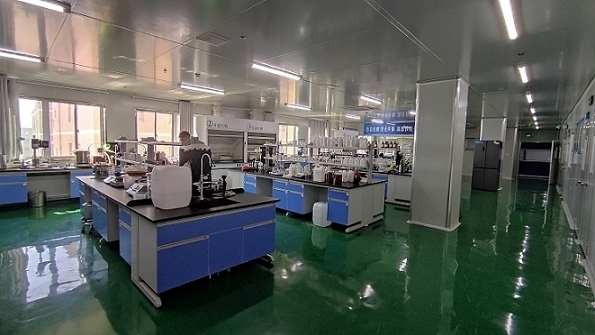
Quality assurance is integrated into every stage of production. From raw material sourcing and manufacturing to final product testing, Chengdu Spekciton Biology implements strict quality control systems to ensure product consistency, purity, safety, and compliance with international standards.
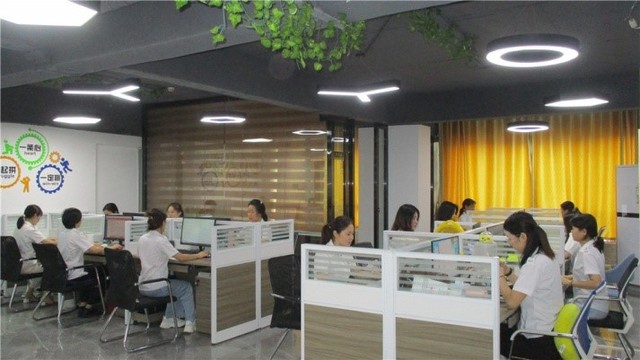
With a customer-oriented approach, reliable supply capabilities, and strong technical support, Chengdu Spekciton Biology Co., Ltd. has established long-term partnerships with customers across global markets. The company remains dedicated to delivering innovative cosmetic ingredient solutions that empower brands to create safe, effective, and sustainable beauty products for consumers worldwide.
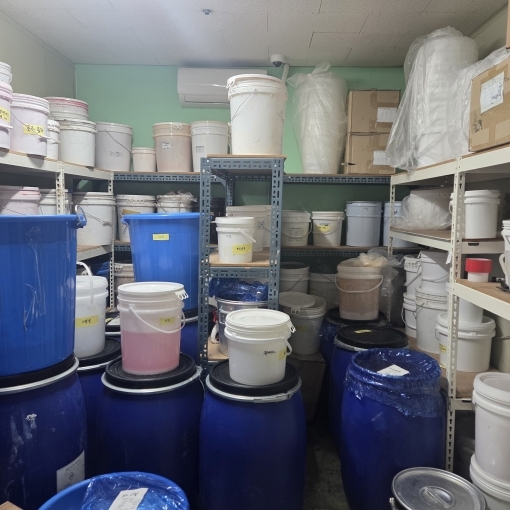
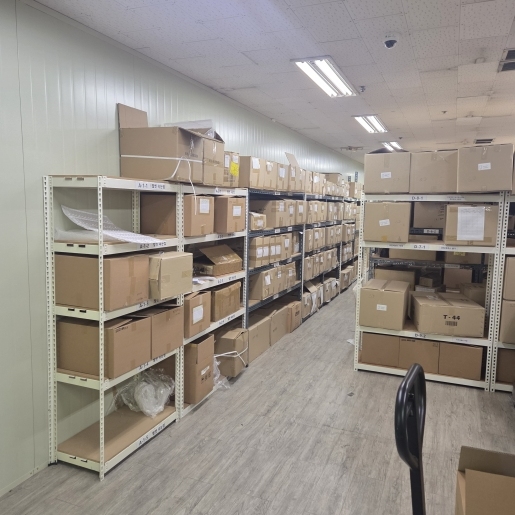
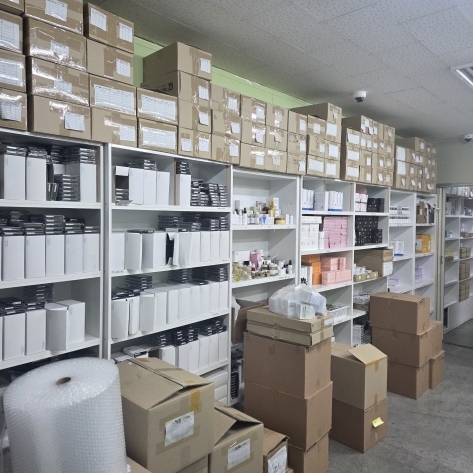
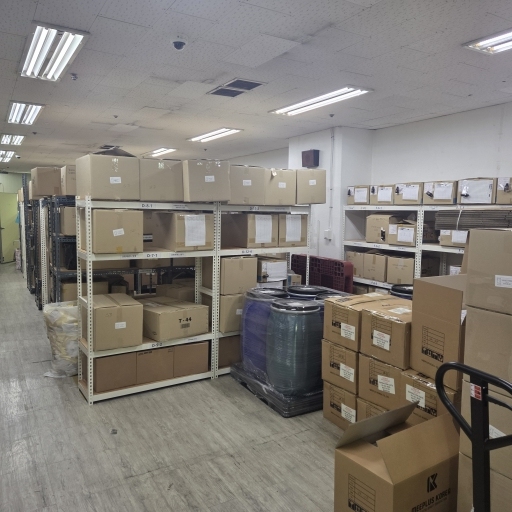
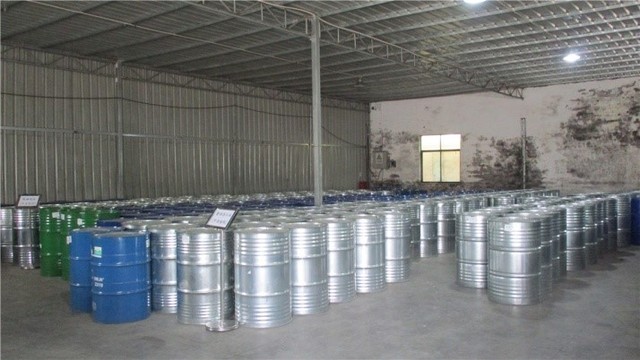
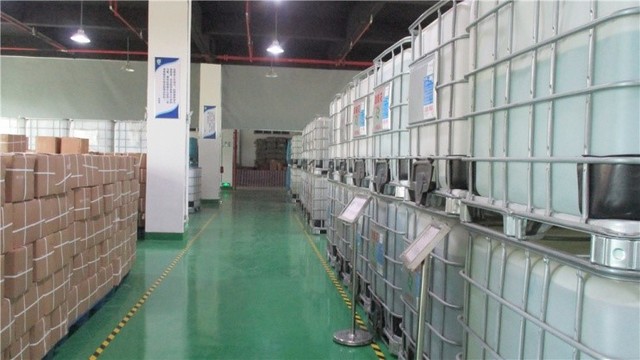
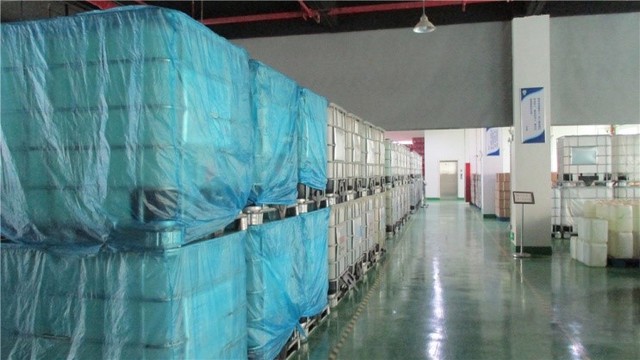
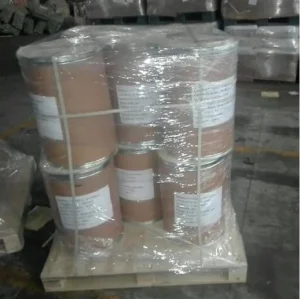
Importing bulk chemical additives and active surfactant ingredients into the landlocked Kathmandu Valley demands robust packaging engineering and comprehensive knowledge of international transit corridors. Raw chemical materials must endure temperature variations, mountain transit vibration, and humidity exposure during transshipment.
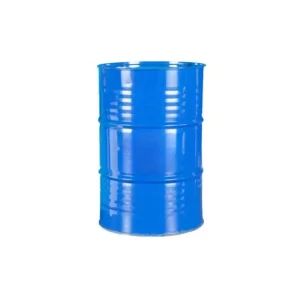
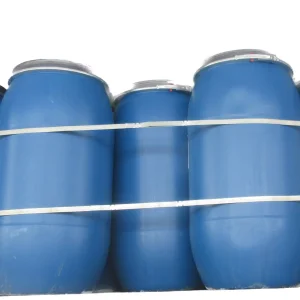
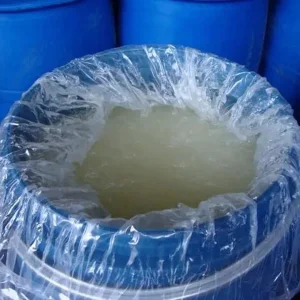
To guarantee zero degradation during overland shipping from Chengdu to Kathmandu, our products are dispatched in specialized packaging variants tailored to material state:
With increasing scrutiny from Nepal's Ministry of Forests and Environment (MoFE) and local municipal authorities regarding industrial effluent discharge into the Bagmati and Bishnumati rivers, chemical plants in Kathmandu must prioritize environmental safety profiles. Our amino acid-based surfactants and non-ionic ester derivatives demonstrate rapid ultimate biodegradability (>90% within 28 days according to OECD 301B standards), preventing persistent aquatic toxicity and minimizing wastewater treatment BOD/COD loads for Kathmandu factories.
All ingredient consignments are provided with comprehensive documentation packages—including Certificate of Analysis (COA), Safety Data Sheet (SDS / MSDS compliant with GHS Revision 8), ISO 9001 quality certificates, and Technical Data Sheets (TDS)—enabling smooth verification by the Department of Food Technology and Quality Control (DFTQC) and Nepal Bureau of Standards & Metrology (NBSM).
Expert answers addressing technical, logistical, and commercial inquiries from factory procurement officers in Nepal.
Direct overland transit via the Kerung/Rasuwagadhi or Tatopani border routes typically takes 12 to 18 days from factory dispatch to delivery at Kathmandu warehouses. Maritime freight via Kolkata Port onward to Birgunj Dry Port (ICD) takes approximately 25 to 35 days depending on customs clearance schedules.
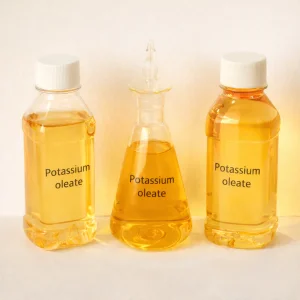
SLES 70% forms a rigid gel phase when diluted rapidly with cold groundwater. We recommend utilizing a high-shear inline mixer with warm water (40–45°C) and incorporating a secondary amphoteric or non-ionic co-surfactant (such as Cocamidopropyl Betaine or Potassium Oleate) to shift the Krafft point and stabilize clarity.
Yes. Our dedicated R&D department provides custom HLB balancing, customized active concentration diluent mixtures, and pre-blended surfactant bases designed specifically for personal care, industrial coatings, or agricultural pesticide adjuvants.
Standard MOQs for liquid drum shipments start at 1 metric ton (5 drums), while full container load (FCL) consignments provide optimal freight cost economics for high-volume items like SLES 70% and PAM flocculants.
Explore our complete product portfolio available for direct bulk procurement by Kathmandu factories and regional industrial formulators.

Connect directly with our chemical application specialists and export logistics team to receive factory-direct pricing, sample kits, and custom formulation guidance.
Send Inquiry Now Spekciton Biology