Explore our cutting-edge raw materials, functional additives, and biological preservative agents engineered for cosmetic stability and skin microbiome harmony.

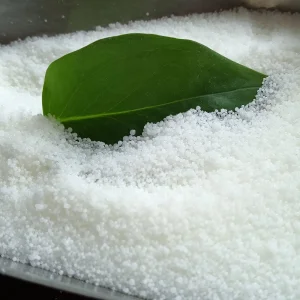
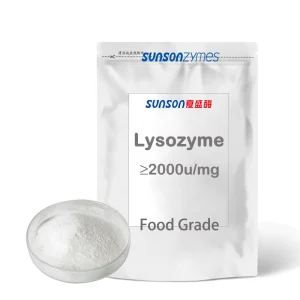
Chengdu Spekciton Biology Co., Ltd. is a professional China cosmetic ingredients manufacturer specializing in the research, development, production, and supply of high-quality personal care raw materials for skincare, haircare, and beauty applications. With a commitment to innovation, quality, and sustainability, the company provides comprehensive ingredient solutions to cosmetic brands, formulators, and manufacturers worldwide.
Backed by advanced research capabilities and modern production facilities, Chengdu Spekciton Biology offers a diverse portfolio of cosmetic ingredients, including active ingredients, botanical extracts, peptides, moisturizing agents, anti-aging ingredients, fermentation-derived ingredients, and other functional raw materials. These ingredients are widely used in skincare products, hair care formulations, color cosmetics, personal hygiene products, and clean beauty applications.
Innovation is at the core of the company's development strategy. Its experienced R&D team continuously explores new technologies and bioactive compounds to meet the evolving demands of the global beauty and personal care industry. The company also provides customized ingredient solutions to help customers optimize product performance, improve formulation efficiency, and accelerate product development.
Quality assurance is integrated into every stage of production. From raw material sourcing and manufacturing to final product testing, Chengdu Spekciton Biology implements strict quality control systems to ensure product consistency, purity, safety, and compliance with international standards.
With a customer-oriented approach, reliable supply capabilities, and strong technical support, Chengdu Spekciton Biology Co., Ltd. has established long-term partnerships with customers across global markets. The company remains dedicated to delivering innovative cosmetic ingredient solutions that empower brands to create safe, effective, and sustainable beauty products for consumers worldwide.
An analytical study of global regulatory pressures, raw material supply chains, and the paradigm shift toward natural preservation technologies.
Globally, the restriction of traditional biocide agents (e.g., Parabens, Formaldehyde donors, Methylisothiazolinone) has pushed developers toward alternative, green chemistry solutions. Regulations such as the EU Cosmetic Regulation Annex V and US FDA Modernization of Cosmetics Regulation Act (MoCRA) require manufacturers to adopt safe, non-irritating preservative systems. This has resulted in a massive surge in demand for organic acids like Potassium Sorbate and biological agents like Lysozyme Enzyme.
Modern formulators prefer ingredients that offer both skincare benefits and antimicrobial boosting properties. Systems utilizing diols (e.g., Caprylyl Glycol, Ethylhexylglycerin) and natural skin-barrier repair actives such as Plant-Based Ceramide Solutions enable cosmetic brands to claim "preservative-free" or "self-preserving" status while preserving mechanical and biological integrity.
Rather than relying on a single hard-hitting chemical, modern preservation utilizes "Hurdle Technology". By manipulating packaging, adjusting formulation pH using mild organic acids, and reducing water activity using polyols or oligosaccharides (such as Fructo-Oligosaccharide FOS Sweetener), manufacturers establish multiple physical and chemical barriers that inhibit bacterial, yeast, and mold growth.
Strategic developmental steps toward advanced biosynthetic preservation and clean beauty compliance by 2030.
| Technological Phase | Primary Focus | Target Ingredients / Mechanisms | Market Impact |
|---|---|---|---|
| Phase I: Synthetic Optimization | Replacing toxic parabens with gentle co-preservatives and organic acids. | Potassium Sorbate, Phenoxyethanol, Ethylhexylglycerin. | Highly cost-effective; establishes standard security profiles across global regulations. |
| Phase II: Bio-Fermentation | Harnessing biological and enzymic antimicrobial pathways. | Food Grade Lysozyme Enzyme, Peptide-based systems, Bio-ferments. | Non-irritant; promotes skin microbiome health while ensuring robust product shelf-life. |
| Phase III: Biomimetic Protection | Synthesizing skin-native lipid barriers and smart delivery vectors. | Plant-Based Ceramide Solution, GHK-Cu Copper Tripeptide-1, Stearic Acid emulsifiers. | Eliminates the need for traditional synthetic biocides completely by using active structural lipids. |
Preservation is not merely about dropping in an antibacterial agent. Achieving maximum efficacy requires adjusting several variables:
"Many cosmetic formulators face compatibility challenges when combining peptides with organic acid preservatives. At Spekciton Biology, our R&D laboratory evaluates the charge interaction between positively charged peptides like GHK-Cu and anionic preservatives. Proper buffering and selection of non-ionic surfactants ensure that active ingredients remain bio-available while maintaining broad-spectrum antimicrobial defense."
— Dr. Lu, Chief Scientific Officer (CSO), Spekciton R&D DivisionCustomized preservative system adjustments matching regional climates, target demographics, and product forms.
Formulations distributed in regions like Southeast Asia or South America experience constant thermal stress and high fungal inoculation risk. Standard preservation systems must be reinforced with strong anti-mold agents. Incorporating broad-spectrum enzymes, such as Food Grade Lysozyme, provides durable, high-temperature antimicrobial protection without degrading under heat.
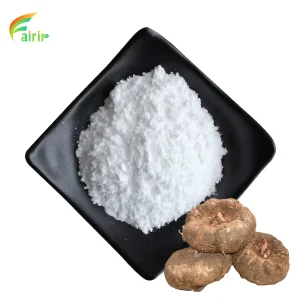
Traditional biocides cause contact dermatitis in sensitive consumer segments. Formulators utilize biomimetic raw materials like Konjac-derived Plant Based Ceramides (1% - 10%) alongside mild, organic preservation enhancers. This builds up the skin's moisture barrier and reduces the concentration of synthetic biocides required to pass USP <51> challenge testing.
For high-turnover hospitality hygiene products, including commercial dental floss and institutional washes, preservation must balance biological efficacy with cost-efficiency. Utilizing stable fatty acid bases like Cosmetic Grade Stearic Acid combined with Potassium Sorbate delivers an economical, highly stable platform for bulk storage.
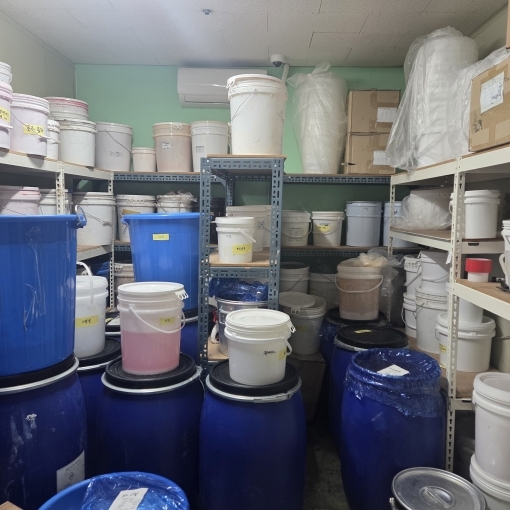
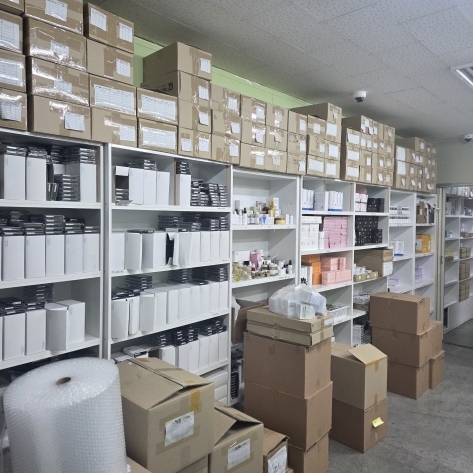
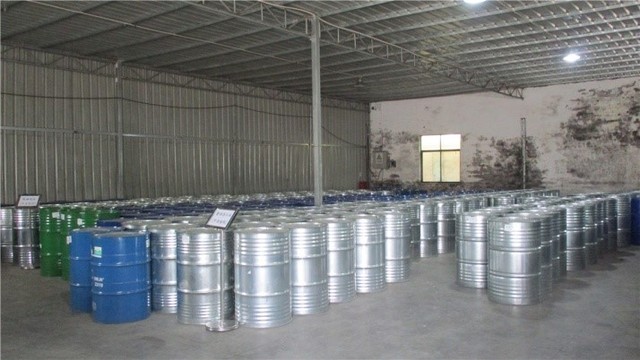
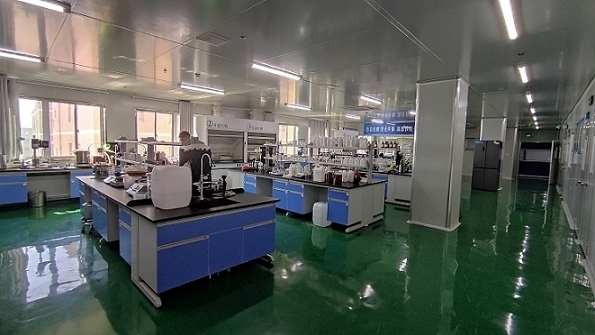
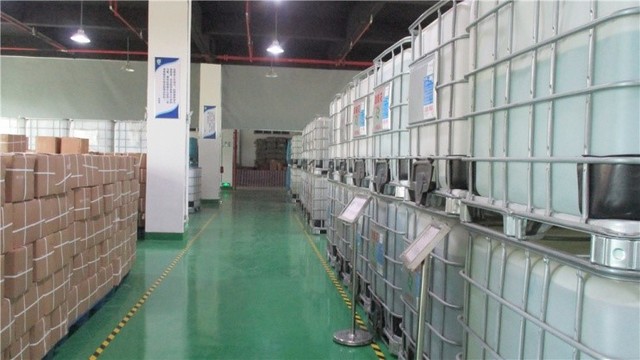
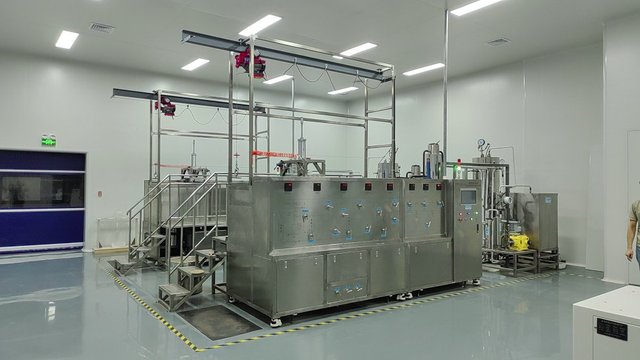
Inside Chengdu Spekciton Biology Co., Ltd.: GMP manufacturing lines, quality control suites, and technical chemical synthesizers.




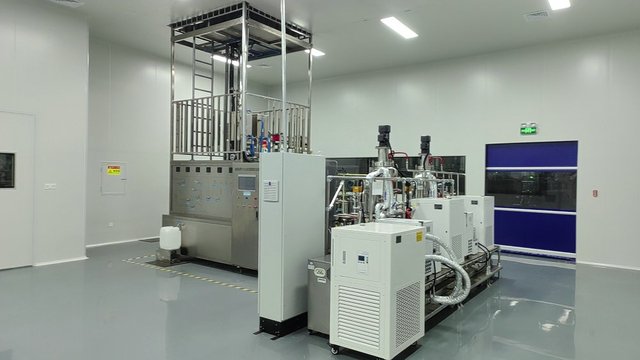

Detailed answers to transactional and technical search queries submitted by global cosmetics manufacturers and laboratory formulators.
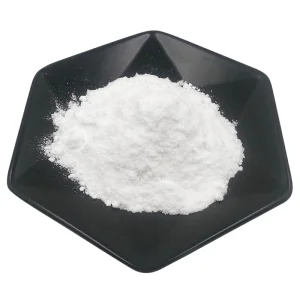
Select functional ingredients and daily hygiene bases designed for commercial, professional, and institutional formulations.

 Spekciton Biology