Cosmetic Raw Material CAS No.8007-43-0 SORBITAN SESQUIOLEATE
Products Description
Sorbitan Sesquioleate, also known as Span-83, is a commonly used non-ionic surfactant used primarily as an emulsifier in the cosmetic industry. Here are some of its features and applications:
⚡
Chemical Name: Sorbitan sesoleate.
⚡
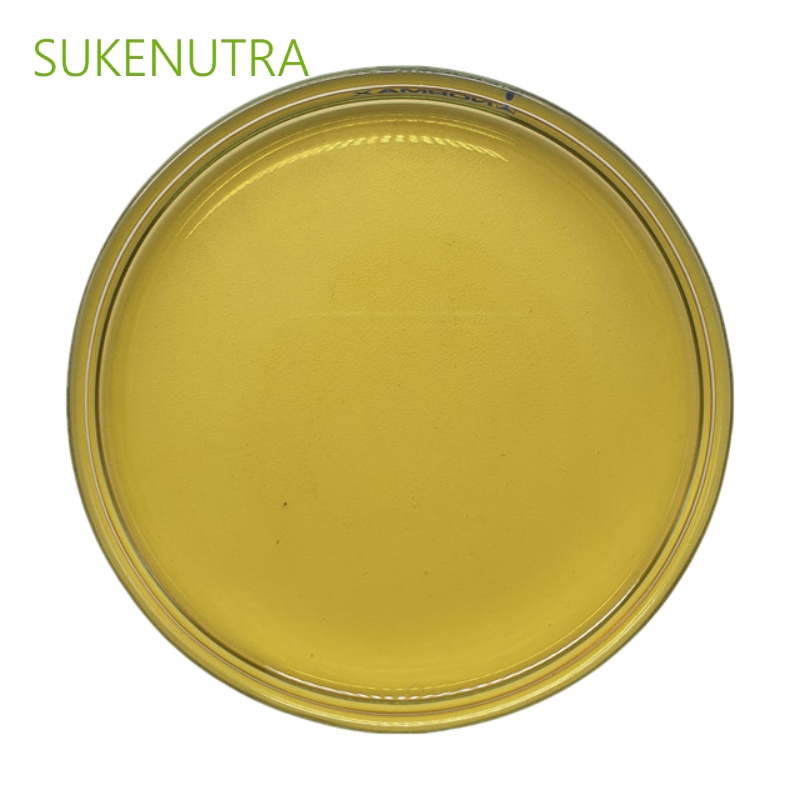
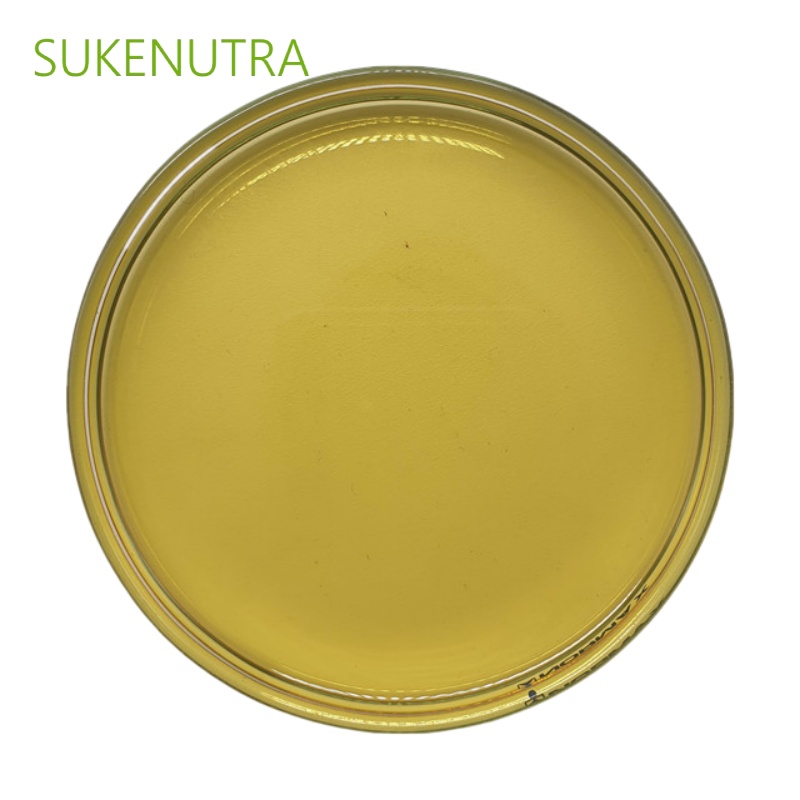
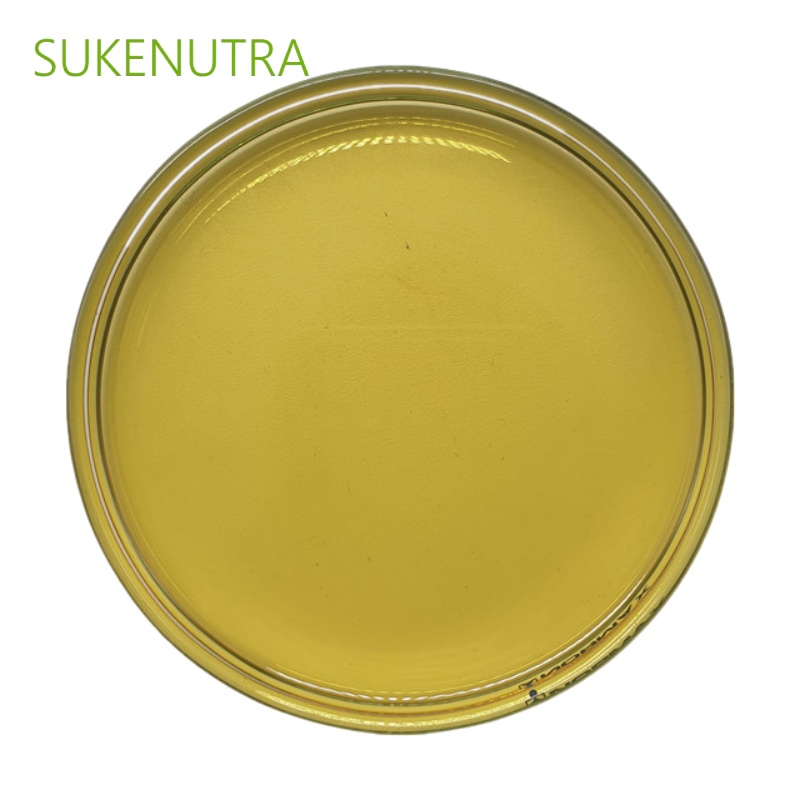
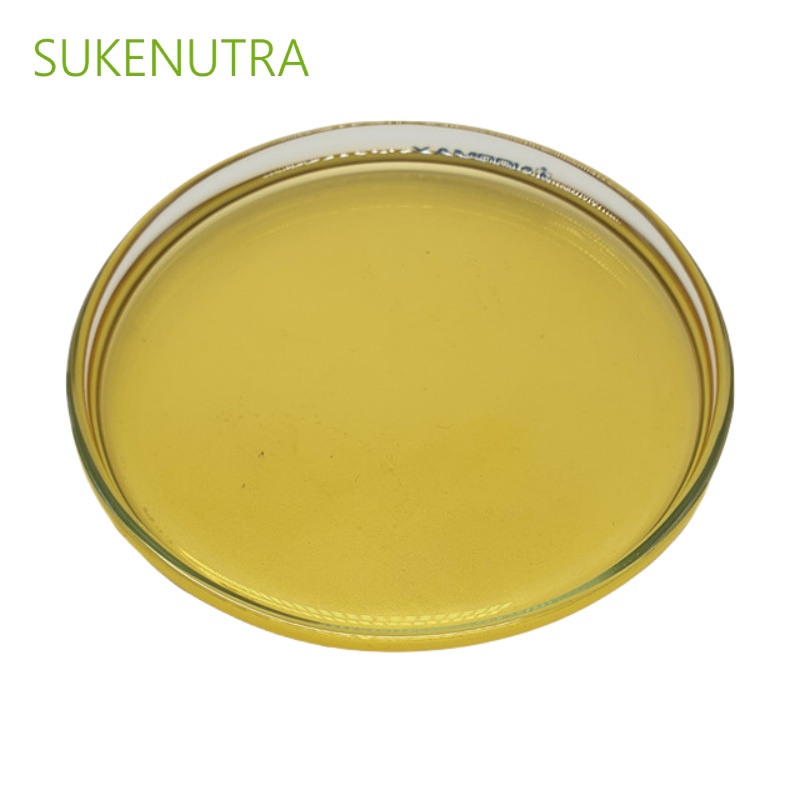
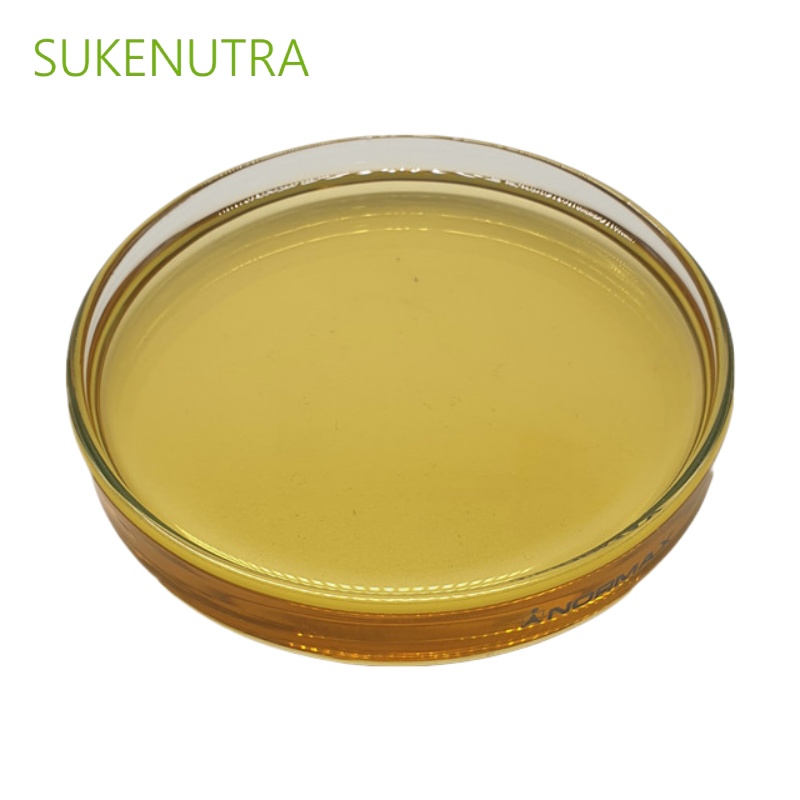
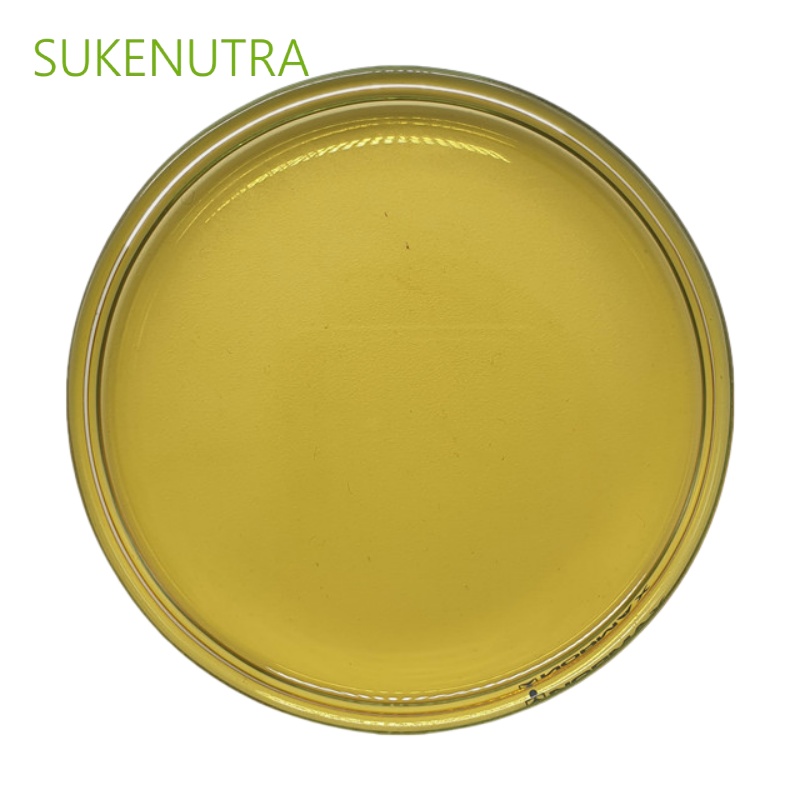
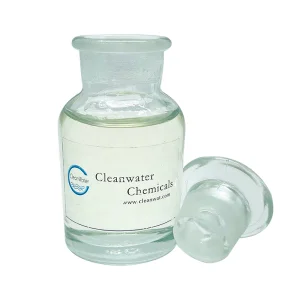
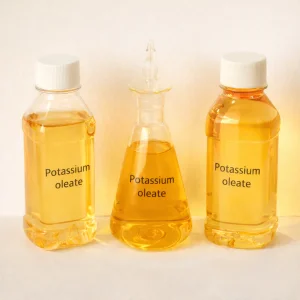
Appearance: Colorless or light yellow liquid.
⚡
Solubility: Low solubility in water.
⚡
Emulsifying Capacity: Can form stable emulsions and microemulsions when used alone.
⚡
Applications: Mainly used in the preparation of creams, lotions, and ointments.
⚡
Storage Conditions: Packed in an airtight container, stored in a cool, dry place.
⚡
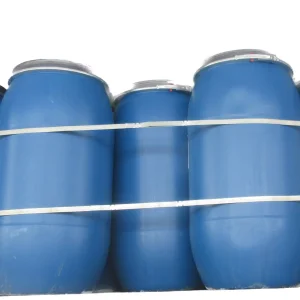
Packaging: Common specifications include 1kg, 5kg, 25KG/barrel, etc.
Sorbitan sesoil is widely used in high-grade cosmetics and cosmetics because of its excellent emulsifying properties. When in use, the operating guidelines should be followed to ensure product sustainability.
Surface Action and Stability of Emulsifier
Mechanism of interface formation and stability:
The emulsifier has the highest density on the interface, and the emulsifier molecules form a protective film on the outside of the small droplets. This is logical from both geometric space structure and the minimum energy principle, ensuring the formed emulsion liquid pair remains stable.
Because forming an emulsion increases the system's interface area, work is done to the system, which increases its interface energy and causes instability. Emulsifiers act by reducing interfacial tension and total interfacial energy. According to the "similar phase dissolution principle," the oleophilic and hydrophilic groups align at the water-oil interface. Emulsifier quantity is inversely proportional to temperature; as emulsification temperature rises, liquid molecular distance increases, reducing surface tension.
After the emulsifier is introduced, it forms a protective interface film while reducing tension. This film protects dispersed phase droplets, preventing coalescing when they collide during Brownian motion. The mechanical strength of this interfacial film is a key factor in emulsion stability.
Specification
| ITEM |
SPECIFICATION |
TEST METHOD |
| Active Ingredients |
| Assay |
NLT 99% |
HPLC |
| Physical Control |
| Identification |
Positive |
TLC |
| Appearance |
Liquid |
Visual |
| Odor |
Characteristic |
Organoleptic |
| Taste |
Characteristic |
Organoleptic |
| Sieve Analysis |
100% pass 80 mesh |
80 Mesh Screen |
| Moisture Content |
NMT 1.0% |
Mettler toledo hb43-s |
| Chemical Control |
| Arsenic (As) |
NMT 2ppm |
Atomic Absorption |
| Cadmium (Cd) |
NMT 1ppm |
Atomic Absorption |
| Lead (Pb) |
NMT 3ppm |
Atomic Absorption |
| Mercury (Hg) |
NMT 0.1ppm |
Atomic Absorption |
| Heavy Metals |
10ppm Max |
Atomic Absorption |
| Microbiological Control |
| Total Plate Count |
10000cfu/ml Max |
AOAC/Petrifilm |
| Salmonella |
Negative in 10 g |
AOAC/Neogen Elisa |
| Yeast & Mold |
1000cfu/g Max |
AOAC/Petrifilm |
| E.Coli |
Negative in 1g |
AOAC/Petrifilm |
| Salmonella |
Negative |
AOAC |
| Staphylococcus |
Negative |
AOAC |
Frequently Asked Questions
What is Sorbitan Sesquioleate?
Sorbitan Sesquioleate, also known as Span-83, is a non-ionic surfactant used primarily as an emulsifier in the preparation of cosmetic creams, lotions, and ointments.
What is the active ingredient assay specification for this product?
The active ingredient assay is specified as Not Less Than (NLT) 99%, tested using the High-Performance Liquid Chromatography (HPLC) method.
How does Sorbitan Sesquioleate help stabilize emulsions?
It functions by reducing interfacial tension and forming a high-density, protective mechanical film on the outside of dispersed droplets. This prevents the droplets from coalescing during Brownian motion.
What are the storage and packaging options?
It should be packed in airtight containers and stored in a cool, dry place. Common packaging options include 1kg, 5kg, and 25KG/barrel specifications.
What heavy metal controls are verified for this raw material?
The material complies with strict chemical controls: Heavy Metals limit is 10ppm Max, Arsenic is NMT 2ppm, Cadmium is NMT 1ppm, Lead is NMT 3ppm, and Mercury is NMT 0.1ppm, verified by Atomic Absorption.
Does this product meet microbiological safety standards?
Yes, the microbiological control specifications require Total Plate Count to be 10000cfu/ml Max, Yeast & Mold 1000cfu/g Max, and Salmonella, E.Coli, and Staphylococcus to test negative.
 Spekciton Biology