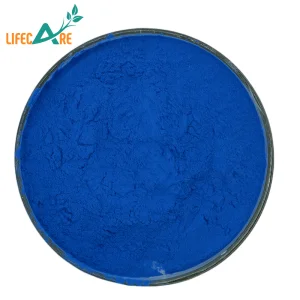
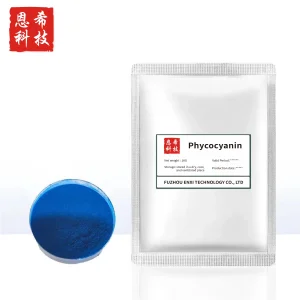
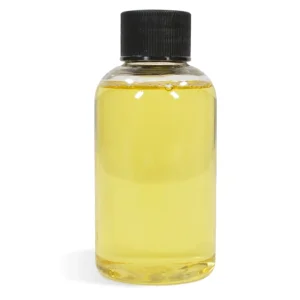
Explore our top-tier cosmetic active ingredients, non-ionic surfactants, biomimetic peptides, and specialty chemical components engineered for maximum thermodynamic stability.
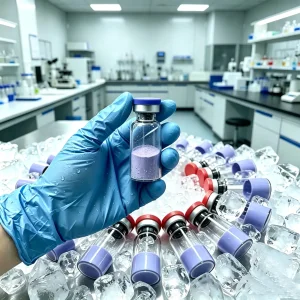

The chemical landscape of emulsifiers is undergoing a paradigm shift towards green chemistry, lamellar gel networks, microfluidic stabilization, and sustainable bio-based surfactants.
In modern cosmetic, pharmaceutical, and industrial manufacturing, emulsifiers represent the architectural foundation of liquid phase stability. An emulsifier—being an amphiphilic molecule composed of distinct hydrophilic (water-loving) and lipophilic (oil-loving) moieties—reduces interfacial tension at the oil-water interface. As a premier emulsifier ingredients supplier, Chengdu Spekciton Biology Co., Ltd. addresses the evolving global demand for highly efficient, non-toxic, and thermodynamically stable emulsifying agents that optimize viscosity, enhance sensory aesthetics, and protect sensitive active compounds like peptides and enzymes.
The global market for chemical emulsifiers and specialty surfactants is rapidly expanding, propelled by three primary macro forces: regulatory transition toward eco-certified raw materials (such as COSMOS and ISO 16128 standards), the widespread elimination of Ethylene Oxide (EO) derivatives like legacy PEGs, and the rise of biomimetic skin-identical barrier formulations. Modern formulations demand emulsifiers that do not merely stabilize dispersions but actively participate in epidermal barrier repair through the formation of liquid crystal lamellar structures (gel networks) that mimic human stratum corneum lipids.
Transitioning from conventional polyoxyethylene derivatives to polyglyceryl esters, alkyl polyglucosides, and sucrose esters to minimize skin irritation while fulfilling strict clean-label compliance dossiers globally.
Formulating α-gel liquid crystal phases that form protective lipid bilayers on the skin. This technology enhances active delivery (e.g., GHK-Cu, AHK-Cu) and prevents Trans-Epidermal Water Loss (TEWL).
Leveraging solid insoluble nanoparticles—such as hydrolyzed sponge micro-needles and bio-extracts—to adsorb at interfaces, creating ultra-stable emulsions without traditional surfactant irritation.
A detailed technical overview of Hydrophilic-Lipophilic Balance (HLB) selection, droplet size distribution, critical micelle concentration (CMC), and rheological modifications.
Achieving long-term physical stability in complex multi-phase systems requires a quantitative approach to interface chemistry. The balance between hydrophilic head groups and lipophilic tail groups dictates an emulsifier's behavior in Oil-in-Water (O/W) or Water-in-Oil (W/O) systems. Below is a comparative technical matrix highlighting key industrial emulsifiers and functional surfactants supplied by global industrial partners.
| Ingredient Name | Chemical Class / INCI | HLB Value | Primary Emulsion Type | Key Formulation Function | Regulatory Status |
|---|---|---|---|---|---|
| Polysorbate 80 | Polyoxyethylene Sorbitan Monooleate | 15.0 ± 0.5 | Oil-in-Water (O/W) | Solubilizer, High HLB emulsifier for essential oils & hydrophobic actives. | FDA / EP / USP Approved |
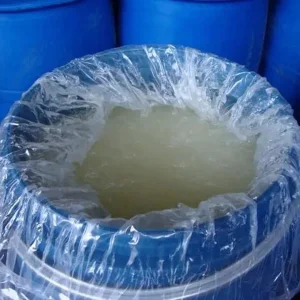
| SLES 70% | Sodium Lauryl Ether Sulfate | 40.0 (Ionic) | Primary Anionic Surfactant | High-foaming cleansing matrix, micellar solubilization in aqueous systems. | REACH / GB Standard |
| Mono Propylene Glycol | Propylene Glycol (PG) | N/A (Co-Solvent) | Aqueous Phase / Carrier | Viscosity reducer, freeze-thaw stabilizer, penetration enhancer. | FDA GRAS / USP Grade |
| GHK-Cu / AHK-Cu | Copper Tripeptide-1 Powder | Hydrophilic Peptide | Active Phase Stabilizer | Collagen synthesis active requiring pH-stable non-ionic emulsifier matrices. | Cosmetic INCI Listed |
| Hydrolyzed Sponge Extract | Hydrolyzed Sponge Micro-Needles | Solid Particle | Pickering Emulsion | Physical interfacial barrier, biological micro-channelling agent. | Natural Origin / NMPA |
Formulation Advisory Note: When incorporating bio-peptides (such as GHK-Cu or Sea Buckthorn Peptide Extract) into emulsified creams, keep shear stress under control during the homogenization phase. Formulators should introduce heat-sensitive peptides below 40°C following primary emulsion cooling, utilizing non-ionic emulsifiers with a targeted HLB range of 12.0 to 15.0 to avoid complexation or degradation.
Meeting the rigorous supply continuity, batch consistency, and analytical specifications demanded by multinational beauty brands and chemical distributors.
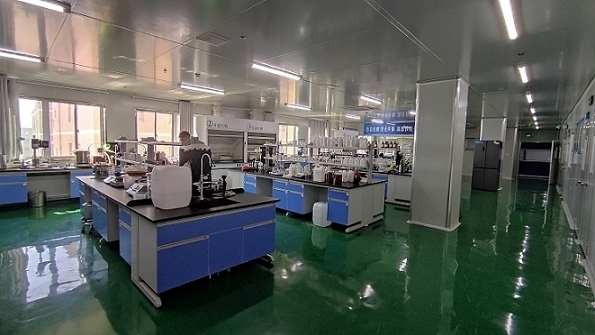
Every batch of emulsifying agents undergo stringent rotational viscometry, gas chromatography (GC-MS), and heavy metal residue testing (ICP-MS) to guarantee zero deviation from target viscosity curves.
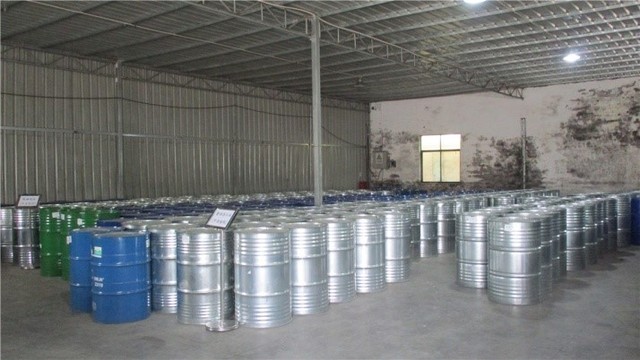
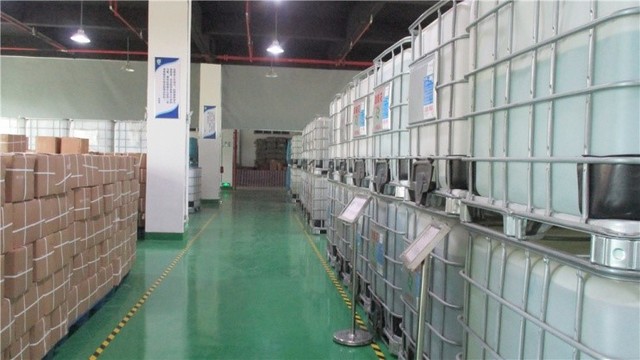
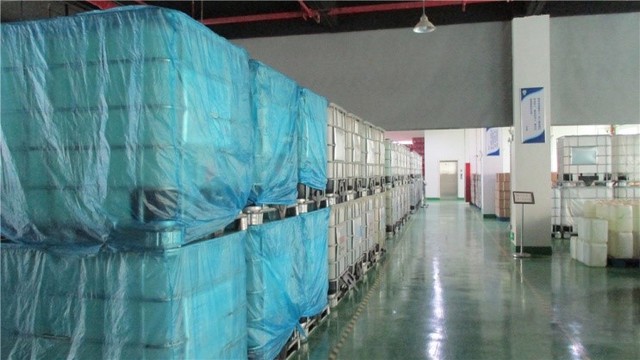
From multi-ton shipments of industrial raw materials (e.g., SLES 70%, Mono Propylene Glycol) to high-value kilogram-scale synthetic peptides, our production lines adapt seamlessly to global demand spikes.
We supply complete documentation including Certificate of Analysis (CoA), Safety Data Sheets (SDS compliant with GHS), Impurity Profiling, TSE/BSE-free statements, and REACH compliance dossiers.
A world-class China cosmetic ingredients manufacturer delivering innovation, purity, and scientific authority to global beauty, personal care, and chemical enterprises.
Chengdu Spekciton Biology Co., Ltd. is a professional China cosmetic ingredients manufacturer specializing in the research, development, production, and supply of high-quality personal care raw materials for skincare, haircare, and beauty applications. With a commitment to innovation, quality, and sustainability, the company provides comprehensive ingredient solutions to cosmetic brands, formulators, and manufacturers worldwide.
Backed by advanced research capabilities and modern production facilities, Chengdu Spekciton Biology offers a diverse portfolio of cosmetic ingredients, including active ingredients, botanical extracts, peptides, moisturizing agents, anti-aging ingredients, fermentation-derived ingredients, and other functional raw materials. These ingredients are widely used in skincare products, hair care formulations, color cosmetics, personal hygiene products, and clean beauty applications.
Innovation is at the core of the company's development strategy. Its experienced R&D team continuously explores new technologies and bioactive compounds to meet the evolving demands of the global beauty and personal care industry. The company also provides customized ingredient solutions to help customers optimize product performance, improve formulation efficiency, and accelerate product development.
Quality assurance is integrated into every stage of production. From raw material sourcing and manufacturing to final product testing, Chengdu Spekciton Biology implements strict quality control systems to ensure product consistency, purity, safety, and compliance with international standards.
With a customer-oriented approach, reliable supply capabilities, and strong technical support, Chengdu Spekciton Biology Co., Ltd. has established long-term partnerships with customers across global markets. The company remains dedicated to delivering innovative cosmetic ingredient solutions that empower brands to create safe, effective, and sustainable beauty products for consumers worldwide.
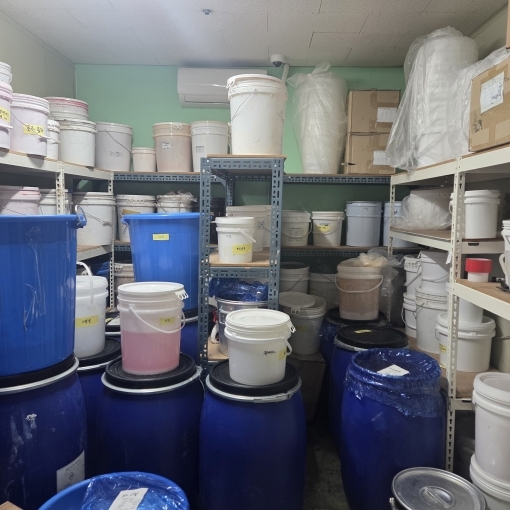

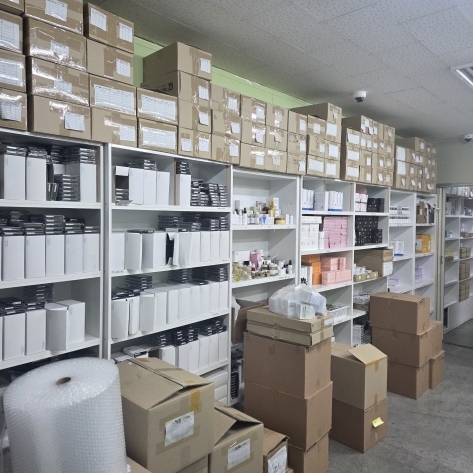
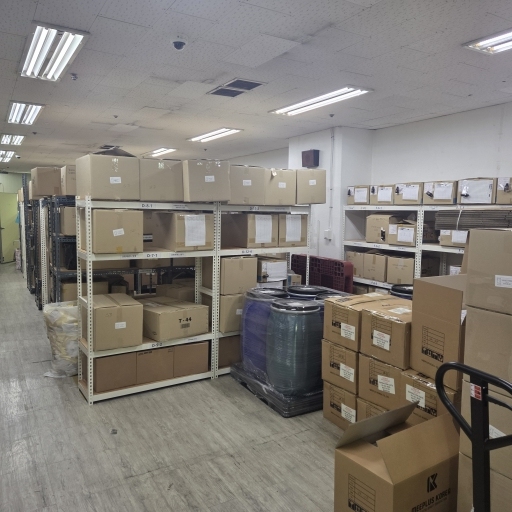

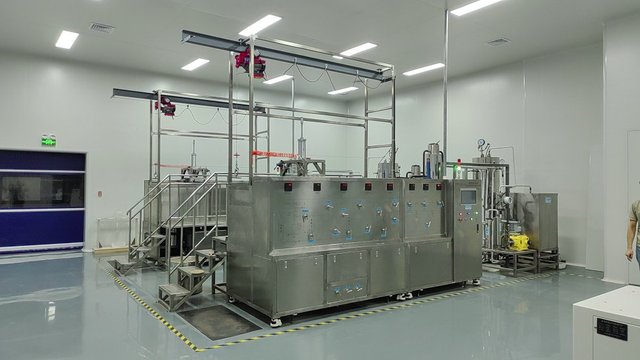
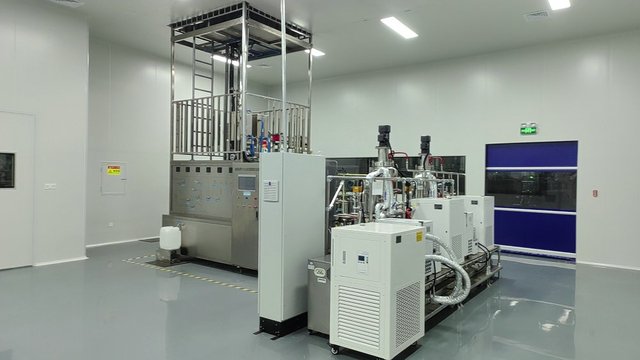
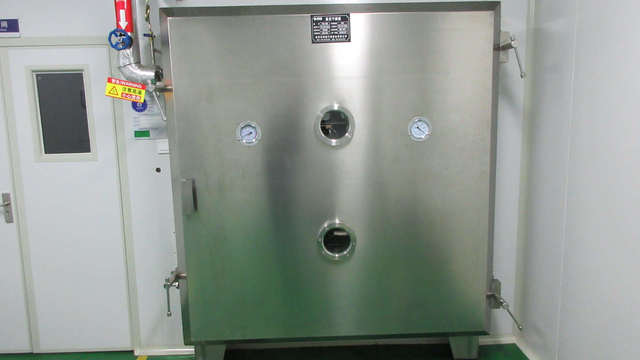
From dermocosmetic delivery networks to industrial fluid filtration, our ingredient matrices power advanced commercial applications worldwide.
Peptides such as GHK-Cu, AHK-Cu, and Fermentation-derived Exosomes require controlled micro-encapsulation. Our low-shear emulsifier blends establish thermodynamic equilibrium, preserving peptide bio-activity against hydrolytic degradation.
Utilizing high-purity SLES 70% alongside specialty non-ionic co-surfactants enables formulators to achieve dense, creamy foam profiles while reducing skin tightness and maintaining physiological skin pH (5.5 - 6.5).
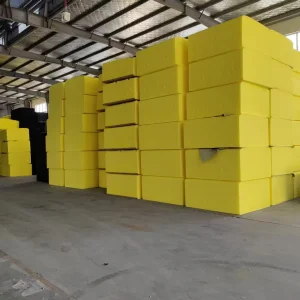
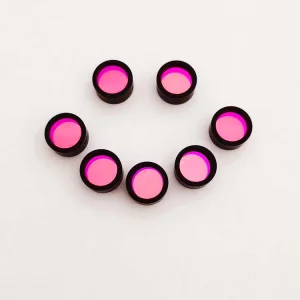
Beyond cosmetic emulsification, our industrial portfolio extends to durable PU sponge filter media and optical BP340 bandpass filters, providing holistic biochemical laboratory and filtration infrastructure support.
Navigating complex international chemical regulations to ensure seamless market entry across Europe, the Americas, Asia-Pacific, and the Middle East.
All emulsifying ingredients and active peptides are screened for SVHC (Substances of Very High Concern), heavy metals, 1,4-dioxane traces, and residual monomer limits mandated by SCCS guidelines.
In compliance with the Modernization of Cosmetics Regulation Act (MoCRA), our manufacturing practices follow ISO 22716 standards, with complete facility registration support and safety substantiation documentation.
We provide safety testing dossiers, toxicological assessments, and efficacy data required for national registration and notification of cosmetic ingredients in China and East Asia.
Driving the future of sustainable emulsification through artificial intelligence, bio-fermentation, and microfluidic encapsulation technologies.
Integrating computational fluid dynamics (CFD) and machine learning algorithms to predict ternary phase diagrams and droplet coalescence rates before benchtop formulation synthesis.
Scaling microbial fermentation systems to produce sophorolipids, rhamnolipids, and exosome-lipid complexes that provide superior skin compatibility with 100% natural origin index (ISO 16128).
Developing novel polymeric and natural emulsifiers that operate at ambient room temperatures (20-25°C), drastically reducing factory carbon footprints and thermal energy consumption during manufacturing.
Answers to essential technical queries regarding emulsifier selection, stability testing, active peptide compatibility, and bulk procurement protocols.
For classic Oil-in-Water (O/W) cosmetic creams and lotions, the optimal Hydrophilic-Lipophilic Balance (HLB) value ranges between 8.0 and 16.0. High-HLB emulsifiers, such as Polysorbate 80 (HLB ~15.0), are predominantly hydrophilic and facilitate stable oil droplet dispersion in a continuous water phase. Conversely, low HLB emulsifiers (HLB 3.0 to 6.0) are preferred for Water-in-Oil (W/O) systems.
Copper peptides (GHK-Cu, AHK-Cu) are highly sensitive water-soluble complexes. To maximize stability, formulators must ensure the emulsion pH stays between 5.5 and 6.5. Strong ionic surfactants should be avoided; non-ionic emulsifiers or biomimetic lecithin/lamellar gel matrices are recommended to preserve peptide integrity without inducing oxidation or precipitation.
Batch variation in ethoxylation degree or active matter percentage can drastically alter final product viscosity, cloud point, and foaming characteristics. Chengdu Spekciton Biology enforces tight control over active matter concentration (70% ± 2%) and residual dioxane limits (< 10 ppm) to ensure seamless scale-up from R&D trials to commercial production.
Every shipment from Chengdu Spekciton Biology includes a comprehensive batch Certificate of Analysis (CoA), GHS-compliant Safety Data Sheet (SDS), Technical Data Sheet (TDS), Microscopic Particle Analysis (when applicable), and TSE/BSE & Non-Animal Testing statements required for global regulatory approval.
Yes. Our R&D team works closely with cosmetic brands and chemical formulators to adjust emulsifier ratios, co-solvents (such as Mono Propylene Glycol), and sensory modifiers to achieve target viscosity, skin feel, absorption rates, and shelf-life stability.
Discover our comprehensive range of raw ingredients, carrier solvents, botanical extracts, pigments, and advanced beauty tech accessories.

 Spekciton Biology