Products Description
What is Nisin?
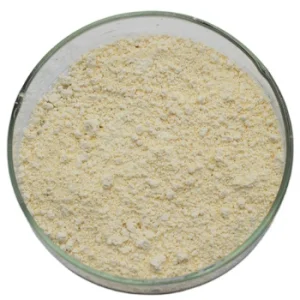
Nisin (also known as Streptococcus lactic peptide) is a polypeptide, with 34 amino acid residues widely used as a food preservative. Nisin possesses anti-microbial activity against a wide range of Gram-positive bacteria and their spores in food, and inhibits the heat-resistant bacilli, such as B. Stearothermophilus, CI. Butyricum and L. Monocytogenes.
Nisin is not effective against Gram-negative bacteria, yeasts or mould. It is catabolized to amino acid in human body, so it is no harm or vice-effect to people.
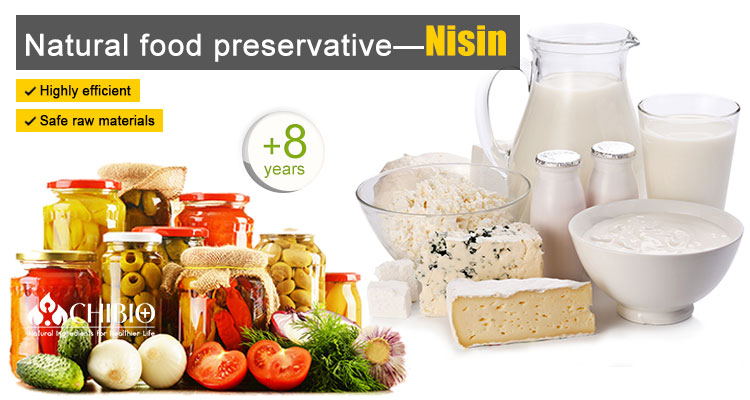
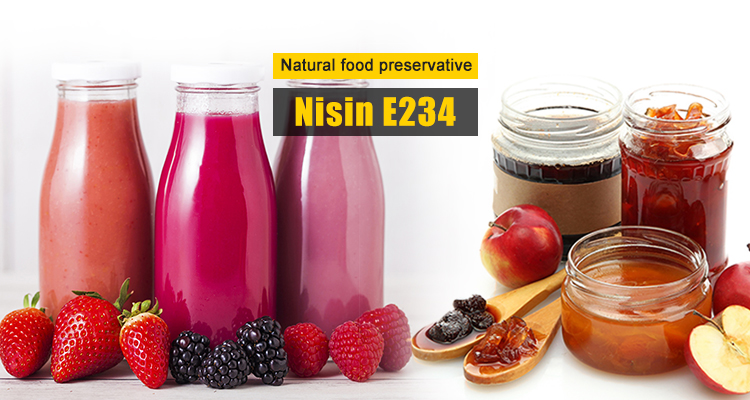
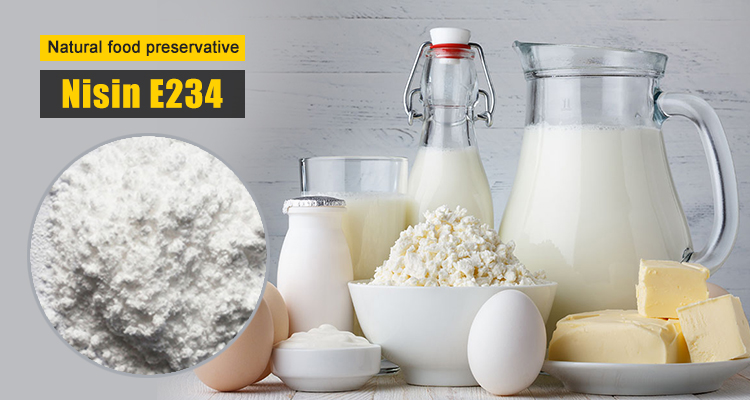
Nisin is a natural food preservative which is highly efficient, safe. In addition, it has excellent solubility and stability in food.
Manufacturing and Quality Control
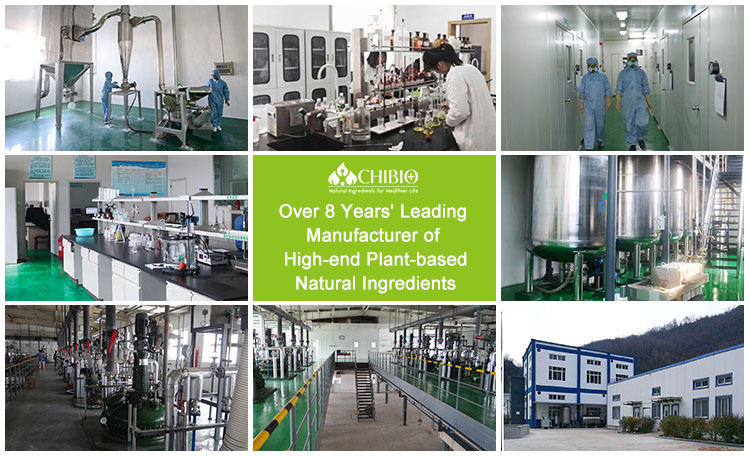
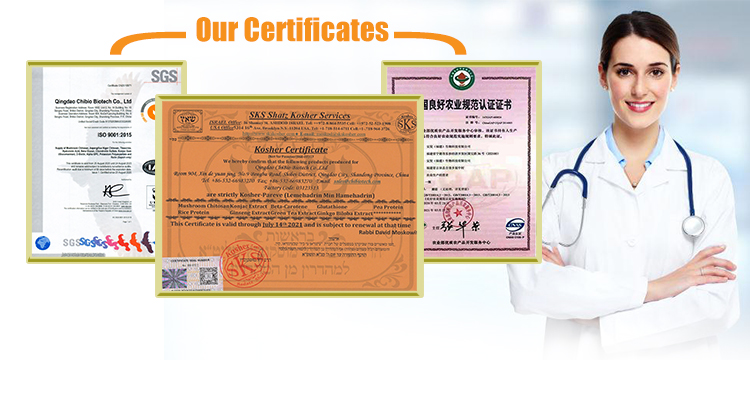
With certificates: ISO9001:2015 & KOSHER, the biotechnology manufacturer integrates science, industry, and trade, focusing on the R&D and production of high-end natural ingredients with commercial potentiality for over 8 years.
Since its establishment, the facility is engaged in the manufacturing and trading of well-characterized Non-animal Chitosan (Agaricus bisporus chitosan (button mushroom chitosan), Oyster mushroom, Aspergillus Niger Chitosan), Theacrine (Natural Kucha Tea Leaf Extract & Synthetic), cosmetics, food raw materials, and other natural ingredients.
Based on years of research & development and sales of food additives, raw materials of cosmetics, wine beverages, and health care, etc., combined with the application & scientific research results of natural product activity, the manufacturer is committed to the global health industry, promoting natural ingredients with great commercial potentiality to global application fields of health care, and realizing industrialization and marketization.
Frequently Asked Questions
1. What is Nisin and how does it function as a food preservative?
Nisin is a natural polypeptide preservative produced by Streptococcus lactis. It functions by targeting and inhibiting a wide range of Gram-positive bacteria and their spores, thereby extending the shelf life and safety of food products.
2. Is Nisin powder safe for human health?
Yes, Nisin is highly safe. Once consumed, it is quickly catabolized into harmless amino acids by digestive enzymes in the human body, presenting no toxic or adverse side effects.
3. What makes Nisin stable during food processing?
Nisin displays remarkable stability in acidic environments and can withstand high-temperature processing. It remains biologically active even after heat treatment at 121°C for 30 minutes.
4. Does Nisin affect the taste or flavor of beverages and food?
No, Nisin does not alter the organoleptic properties of food or beverages. Its application prevents bacterial spoilage without affecting the original flavor, aroma, or color.
5. What packaging sizes are available for Nisin powder?
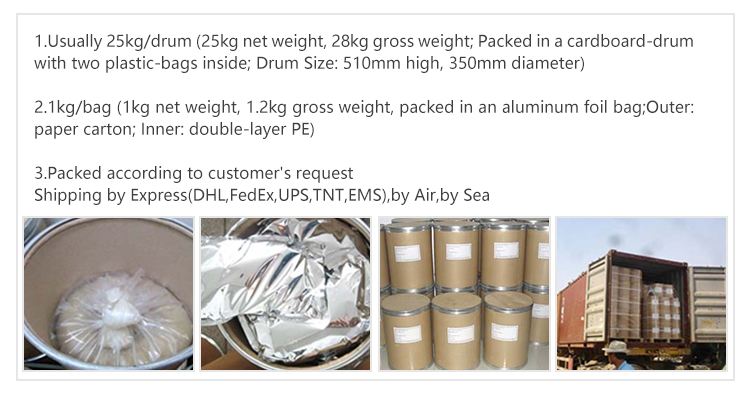
Standard packaging includes 25kg cardboard drums with double-layer PE inner bags, as well as 1kg aluminum foil bags. Customized packaging options are also available upon request.
6. Is Nisin effective against yeasts and molds?
No, Nisin is specifically active against Gram-positive bacteria. It does not inhibit yeasts, molds, or Gram-negative bacteria, making it ideal for target-preservation in specific formulation designs.
 Spekciton Biology