Spekciton Biology
1 / 5
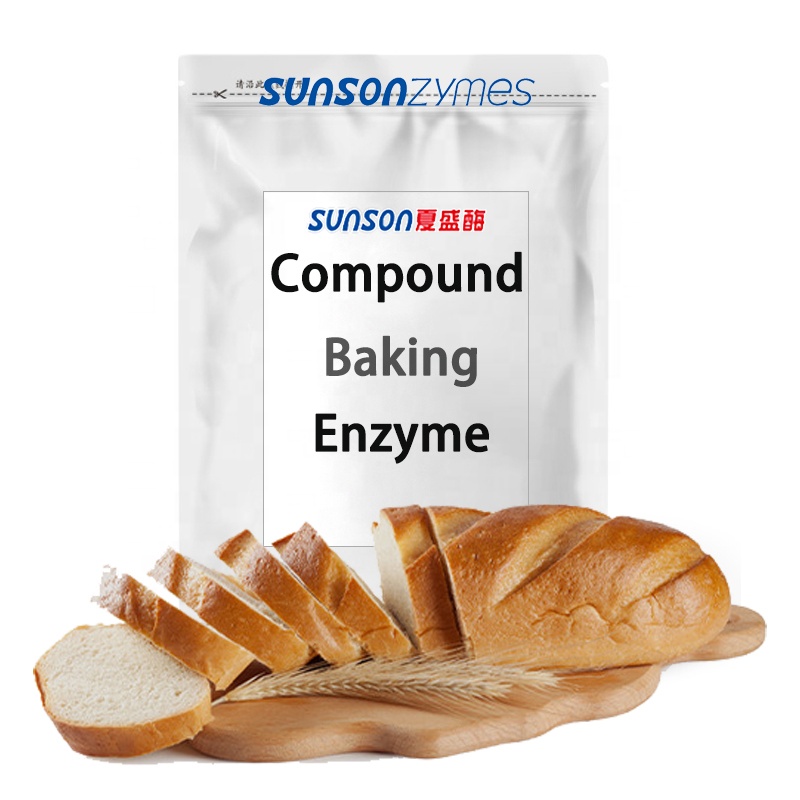
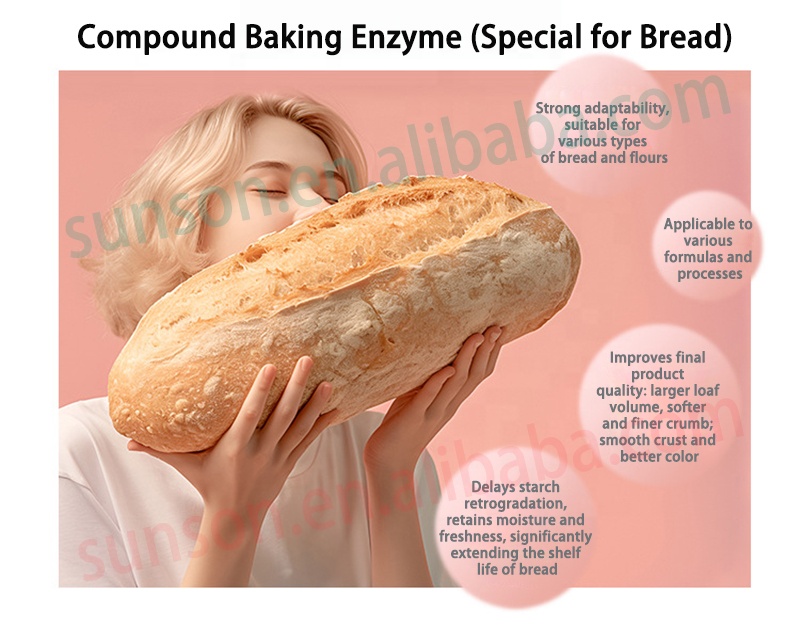
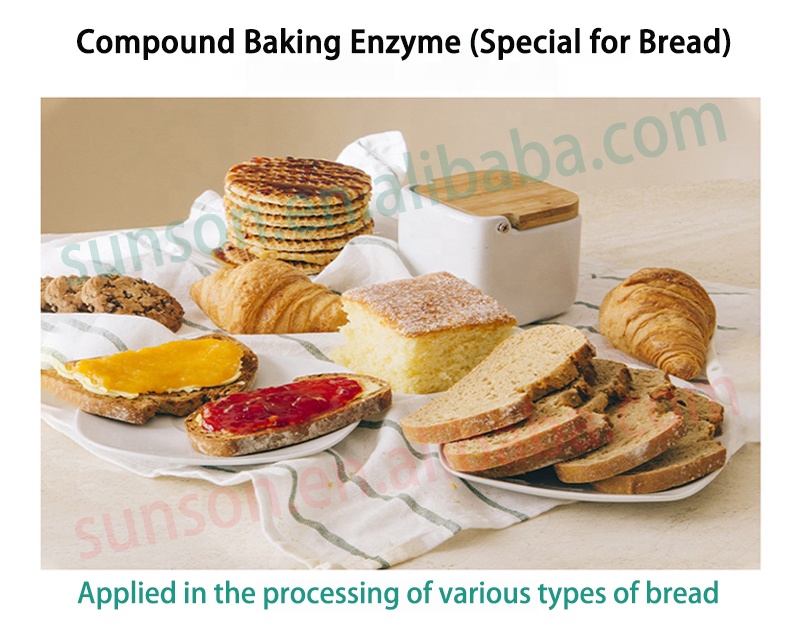
Compound Baking Enzyme is a compound preparation consisting of Fungal Alpha-Amylase, Glucose Oxidase, Xylanase, Maltogenic Amylase, Ascorbic Acid, Sodium Stearoyl Lactylate, etc. It is designed for use in the processing of various types of bread.
Effective Range: Temperature 25-70°C | pH 3.0-7.0
Optimum Range: Temperature 40-50°C | pH 5.5-6.5
The general recommended dosage is 100 - 150g per 100kg of flour.
Add this product to the flour, mix uniformly, and proceed with subsequent processing operations. Due to differences in application areas, raw material composition, and process parameters among various factories, the actual method and amount of addition should be determined through tests.
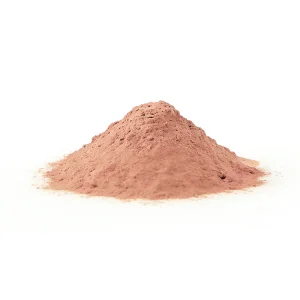
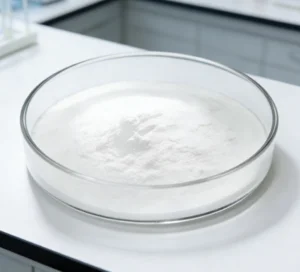
White to light yellow powder. Slight color variations may occur due to factors such as fermentation raw materials and cycle, but this does not affect its efficacy.
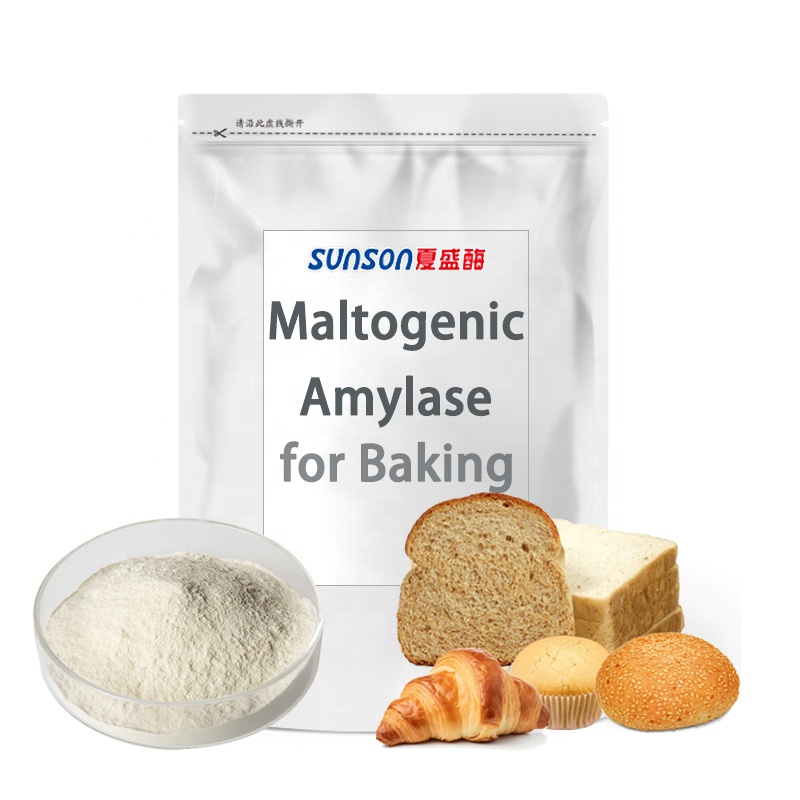
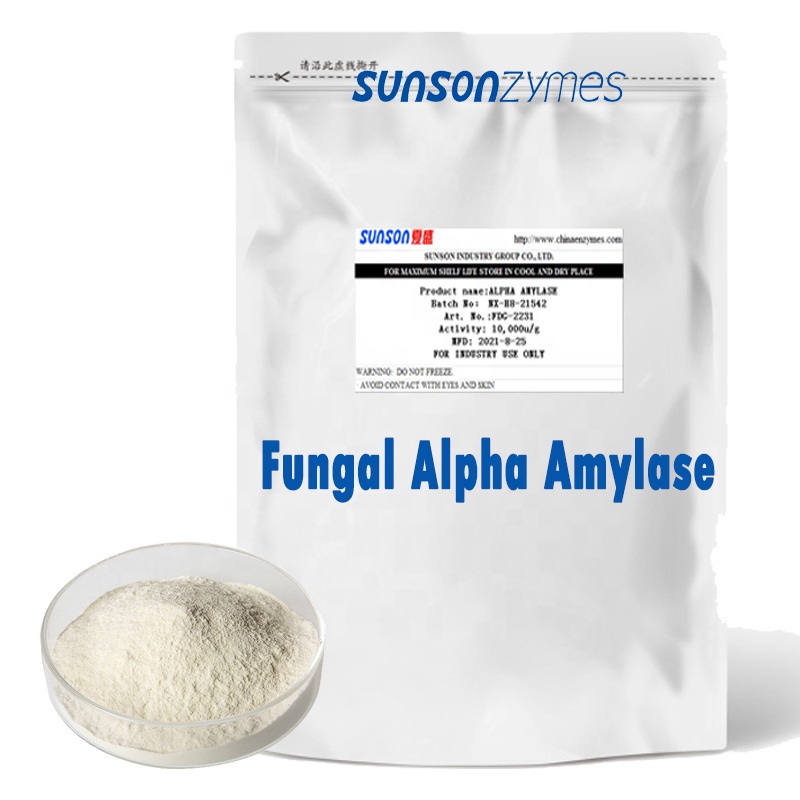
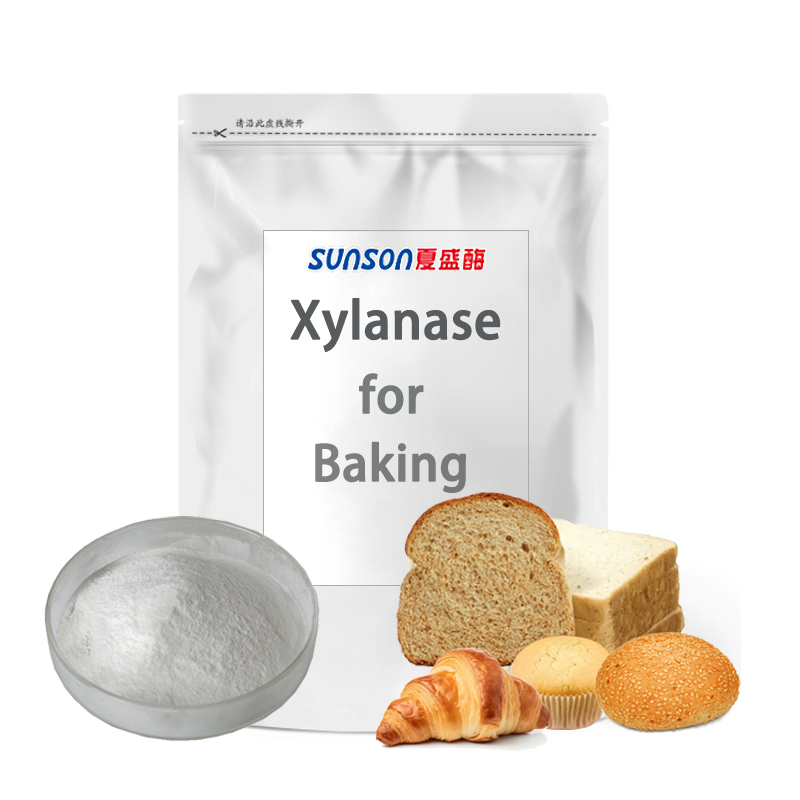
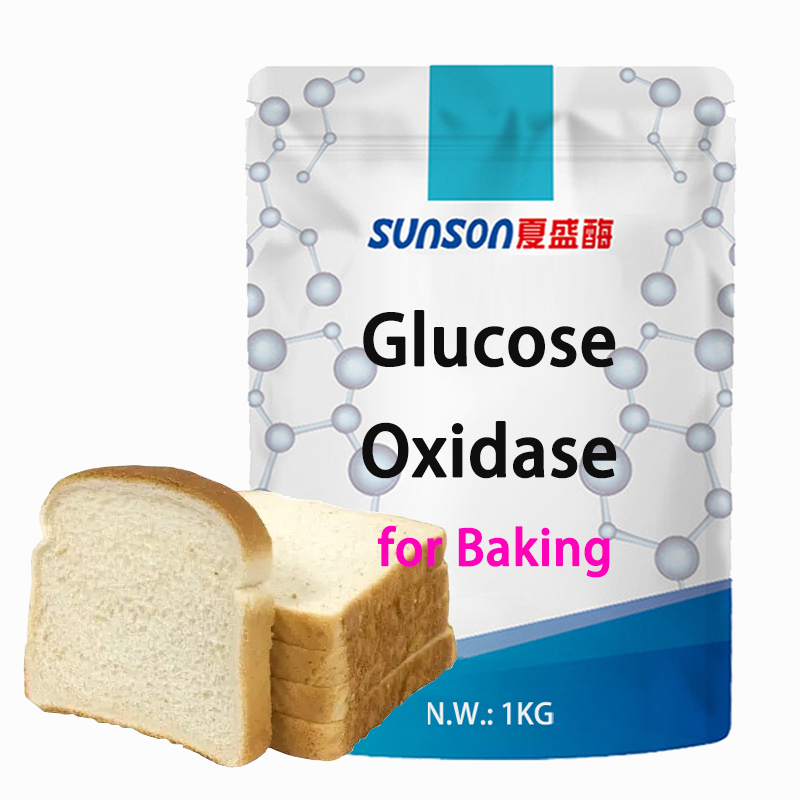
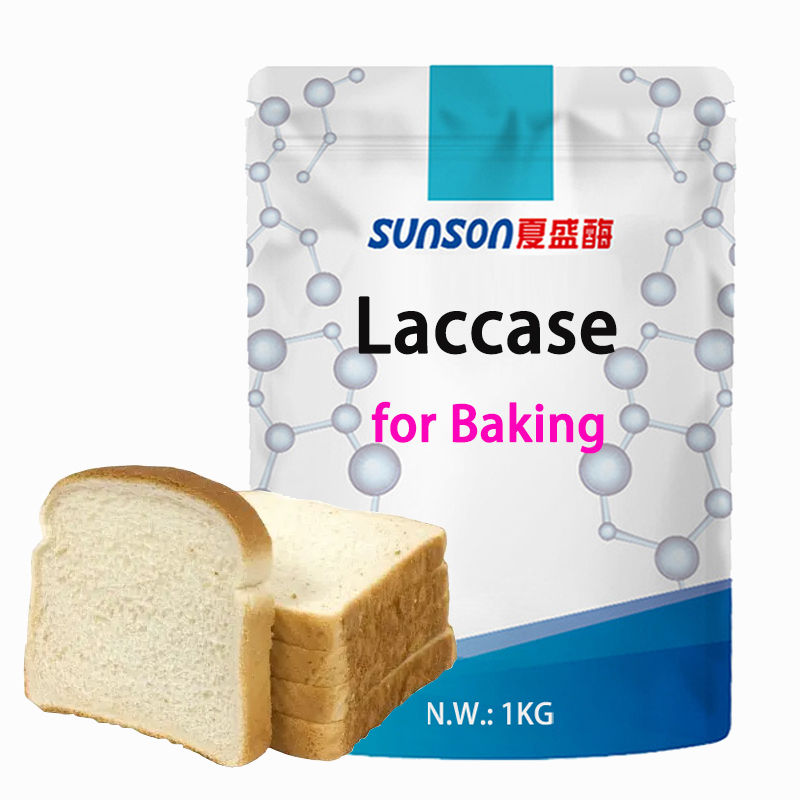
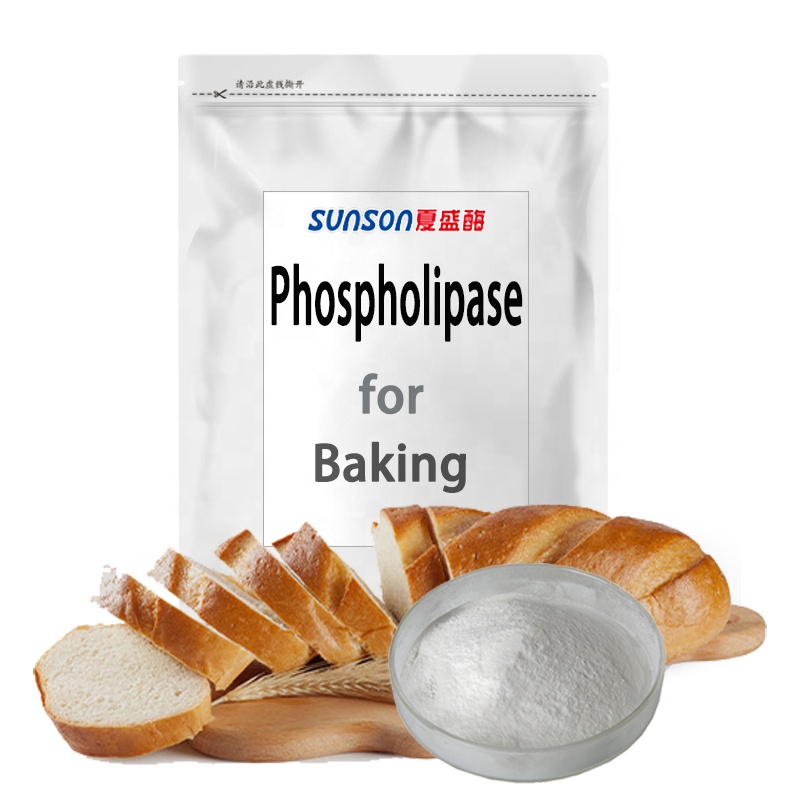
This product complies with the relevant regulations of GB 26687 "National Food Safety Standard - General Standard for Compound Food Additives". Specific product quality standards are as follows:
| No. | ITEMS | Index |
|---|---|---|
| 1 | Fineness (% passing 100 mesh standard sieve) | ≥90 |
| 2 | Loss on drying (%) | ≤8.0 |
| 3 | Lead (Pb) (mg/kg) | ≤2.0 |
| 4 | Total arsenic (as As) (mg/kg) | ≤2.0 |
| 5 | Total plate count (CFU/g) | ≤50,000 |
| 6 | Coliforms (CFU/g) | ≤30 |
| 7 | Escherichia coli (CFU/g) / (MPN/g) | Not detected |
| 8 | Salmonella (in 25g) | Not detected |
Enzyme preparations are proteins that may induce sensitization and cause allergic type of symptoms in susceptible individuals. Prolonged contact may cause minor irritation for skin, eyes or nasal mucosa. Any direct contact with human body should be avoided. If irritation or allergic response of skin or eyes develops, please consult a doctor.
A: The general recommended dosage is 100g to 150g per 100kg of flour. However, because application areas, raw materials, and processes vary, it is highly recommended to perform tests to determine the optimum usage amount for your specific factory.
A: The enzyme operates within a temperature range of 25-70°C (optimum 40-50°C) and a pH range of 3.0-7.0 (optimum 5.5-6.5).
A: The enzyme formulation delays starch retrogradation and retains moisture inside the crumb, which preserves freshness and substantially prolongs the bread's shelf life.
A: Direct contact with the body should be avoided. Enzyme preparations are proteins that may cause irritation or allergic symptoms. If irritation or an allergic reaction develops on your skin or eyes, please consult a medical doctor immediately.
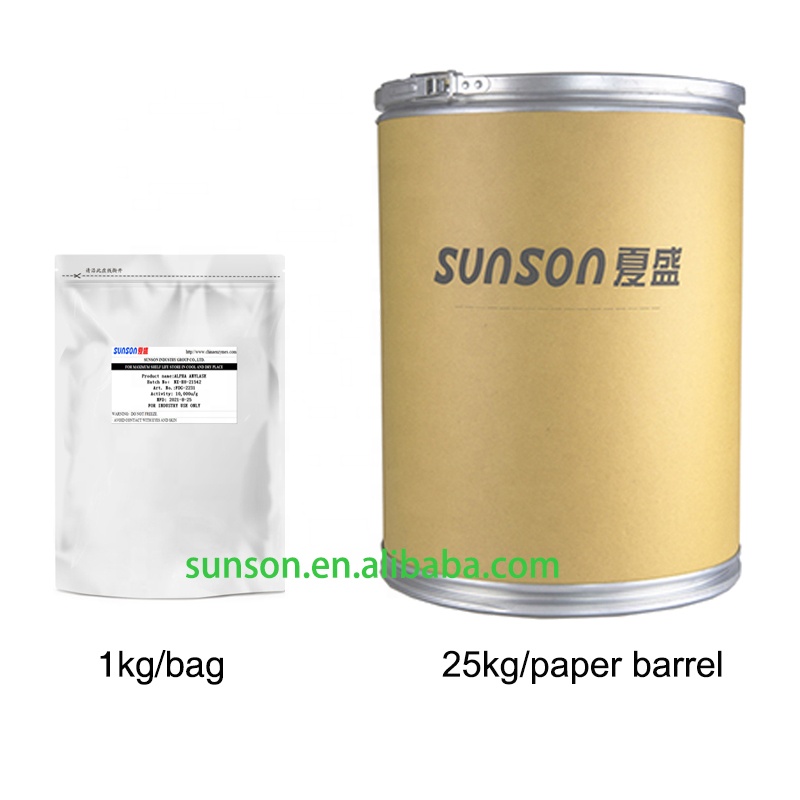
A: The product is packaged in 25kg/drum or 1,125kg/drum. It must be kept sealed in a cool, dry place away from direct sunlight, and has a shelf life of 12 months under these conditions.