Aspergillus Niger Submerged Fermentation Phytase Enzyme Industrial Enzymes For Breaking Phytic Acid Releasing Phosphorus Calcium

Product Description

Product Description

Phytase Product
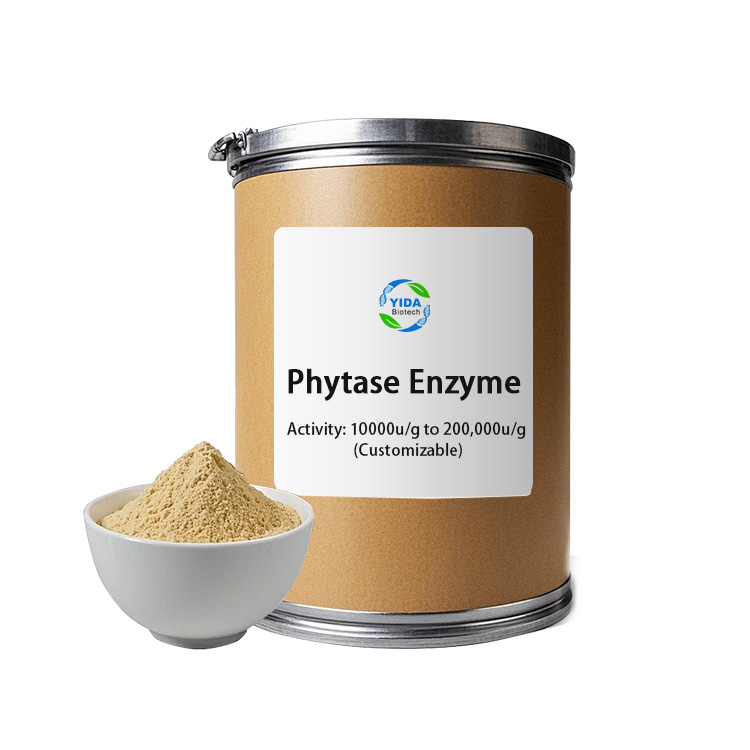
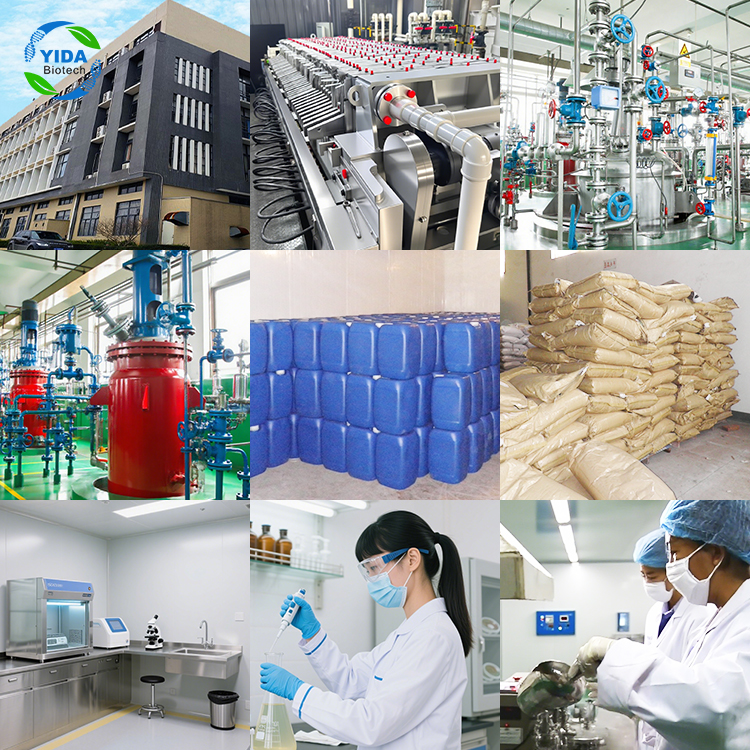
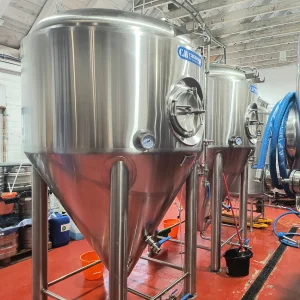
phytase is produced by submerged fermentation of Aspergillus niger followed by purification and formulation. It can break down the undigestible phytic acid (phytate) found in grains and oil seeds and thus release absorbable phosphorus, calcium and other nutrients. Phytase, has been widely used in feed, medicine, environmental engineering and other fields.

Product Information

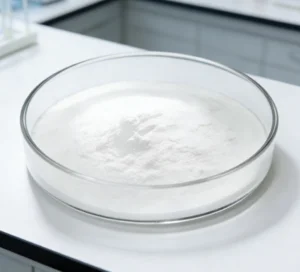
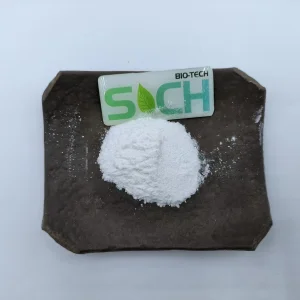
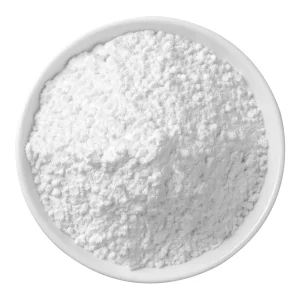
Appearance Brown liquid or yellow solid powder
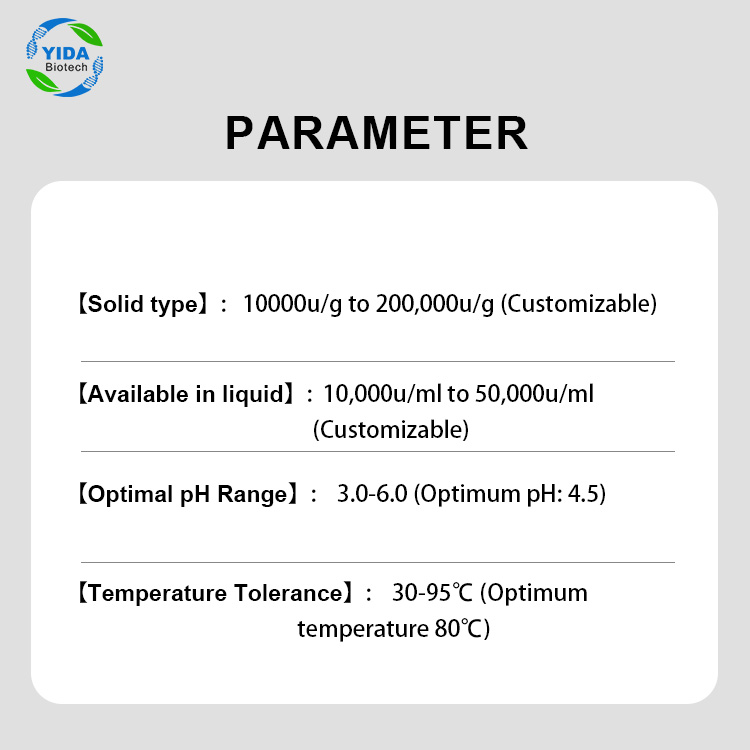
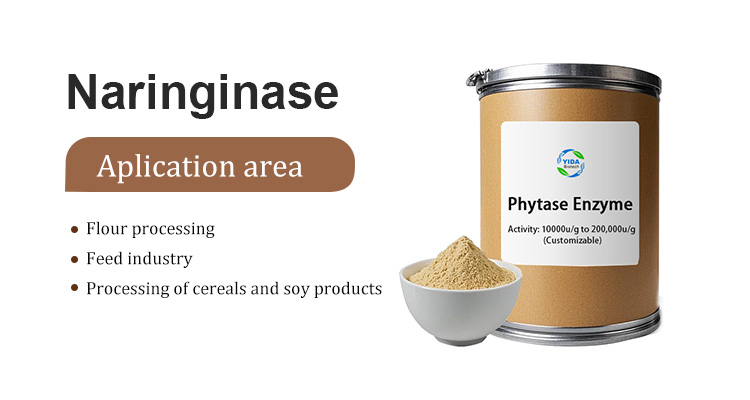
Activity Available in liquid: 10,000u/ml to 50,000u/ml. (Customizable)
Solid type: 10,000u/g to 200,000u/g (Customizable)
Temperature 30-95°C (Optimum temperature 80°C)
pH 3.0-6.0 (Optimum pH: 4.5)

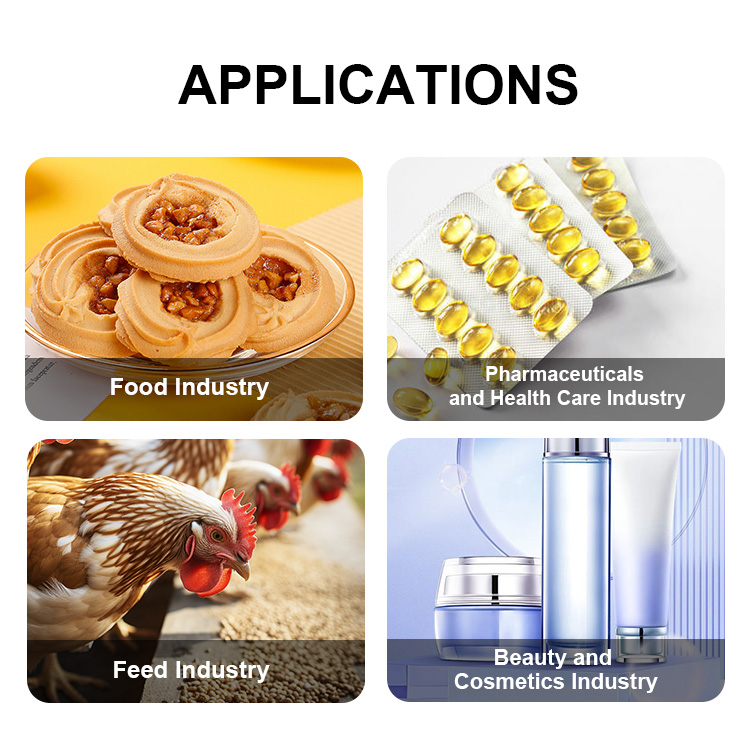
Applications

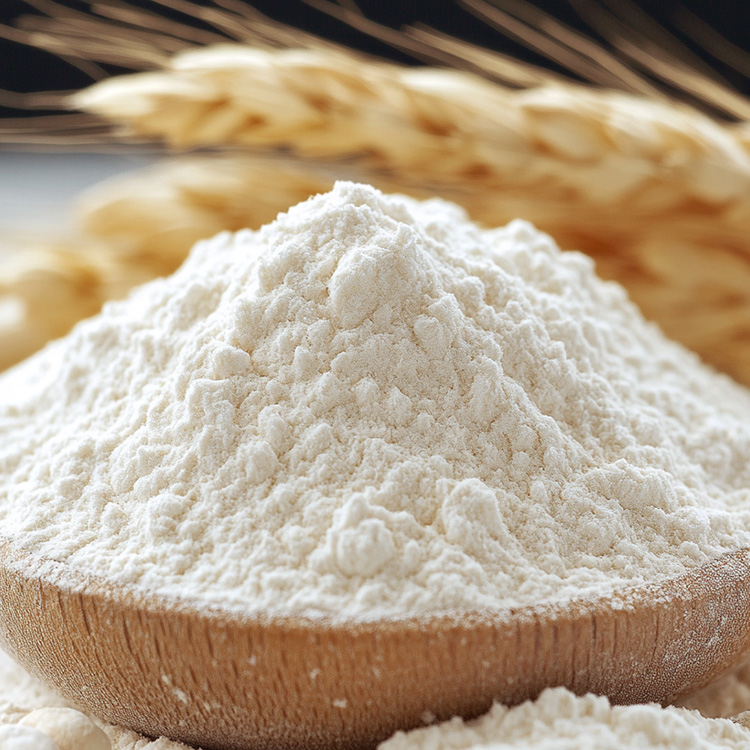
Flour processing

Flour processing

  • Reduced phytic acid content in products.
  • Elimination of phytic acid chelate and improvement in biological.
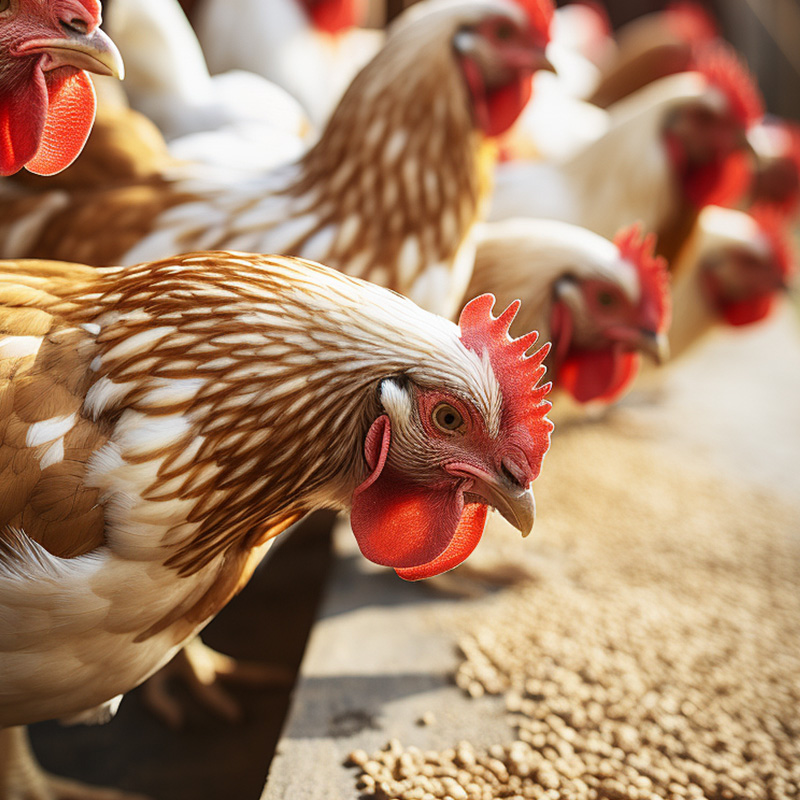
Feed industry

Feed industry

  • Elimination of anti-nutritional factors.
  • Promote the digestion and absorption of nutrients, increased animal feed intake and feed biological value.
  • Better utilization of phosphorus in feed.
  • Reduced phosphorus excretion and environmental load.
Processing of cereals and soy products

Processing of cereals & soy

  • Removal of anti-nutrient factors.
  • Better absorption of metal ions.

Application Recommendation

The recommended dosage is 0.1-1kg/t DS. The dosage has to be optimized based on each application.

Warnings

Keep sealed after use every time to avoid moisture adsorption, microbial infections and inactivation of enzymes until its finish.

Package and Storage

Packaging: 1kg/bag, 25kg/drum (customizable upon request)
Storage: 12-month shelf life at ≤25°C in dry conditions.
Packaging type 1
Packaging type 2
Packaging type 3
Packaging type 4
Packaging type 5

Machinery Overview

Blowing Machine

Title goes here.

Semi-Automatic PET Bottle Blowing Machine Bottle Making Machine Bottle Moulding Machine PET Bottle Making Machine is suitable for producing PET plastic containers and bottles in all shapes.
Blowing Machine

Title goes here.

Semi-Automatic PET Bottle Blowing Machine Bottle Making Machine Bottle Moulding Machine PET Bottle Making Machine is suitable for producing PET plastic containers and bottles in all shapes.
Blowing Machine

Title goes here.

Semi-Automatic PET Bottle Blowing Machine Bottle Making Machine Bottle Moulding Machine PET Bottle Making Machine is suitable for producing PET plastic containers and bottles in all shapes.

Frequently Asked Questions

1. What is the source and function of Phytase?

Phytase is produced by submerged fermentation of Aspergillus niger, followed by purification and formulation. It breaks down the undigestible phytic acid (phytate) found in grains and oil seeds, releasing absorbable phosphorus, calcium, and other essential nutrients.

2. What are the key application fields for Phytase?

Phytase is widely used in the feed industry, medicine, environmental engineering, flour processing, and the processing of cereals and soy products.

3. What is the optimal temperature and pH range for this enzyme?

The active temperature range is 30-95°C with an optimum temperature of 80°C. The active pH range is 3.0-6.0 with an optimum pH of 4.5.

4. What is the recommended dosage for application?

The recommended dosage is 0.1-1kg/t DS. However, the exact dosage should be optimized according to each specific application.

5. How should Phytase be packaged and stored?

It is packaged in 1kg/bag or 25kg/drum (customizable). It has a 12-month shelf life when stored in dry conditions at temperatures ≤25°C. Keep it sealed after every use to prevent moisture adsorption, microbial contamination, and enzyme inactivation.

Related Products