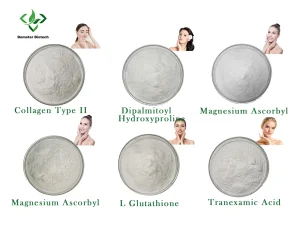
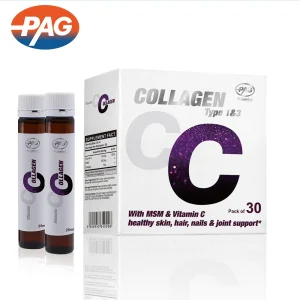
Explore our premium grade portfolio of raw materials, active extracts, and structural peptides designed for high-performance formulations.
Chengdu Spekciton Biology Co., Ltd. is a professional China cosmetic ingredients manufacturer specializing in the research, development, production, and supply of high-quality personal care raw materials for skincare, haircare, and beauty applications. With a commitment to innovation, quality, and sustainability, the company provides comprehensive ingredient solutions to cosmetic brands, formulators, and manufacturers worldwide.
Backed by advanced research capabilities and modern production facilities, Chengdu Spekciton Biology offers a diverse portfolio of cosmetic ingredients, including active ingredients, botanical extracts, peptides, moisturizing agents, anti-aging ingredients, fermentation-derived ingredients, and other functional raw materials. These ingredients are widely used in skincare products, hair care formulations, color cosmetics, personal hygiene products, and clean beauty applications.
Innovation is at the core of the company's development strategy. Our experienced R&D team continuously explores new technologies and bioactive compounds to meet the evolving demands of the global beauty and personal care industry. We provide customized ingredient solutions to help customers optimize product performance, improve formulation efficiency, and accelerate product development.
Quality assurance is integrated into every stage of production. From raw material sourcing and manufacturing to final product testing, Chengdu Spekciton Biology implements strict quality control systems to ensure product consistency, purity, safety, and compliance with international standards. Our strategic customer-oriented approach, reliable supply chain, and deep technical support make us a long-term partner across key global markets.
Delving into the chemical architectures and global supply frameworks driving next-generation bioactive silk macromolecules.
Modern cosmetic science differentiates heavily between the structural components of natural silk. Fibroin is the core structural protein (70-80% of silk fiber), insoluble in water but highly customizable into hydrogels or transdermal patches when parsed into polypeptides. Sericin is the hydrophilic, sticky exterior envelope which acts as a superior humectant and antioxidant, exhibiting unparalleled compatibility with human skin collagen matrices.
Global regulatory bodies like the EU Green Deal and clean beauty movements demand replacements for synthetic polymers (like acrylates and carbomers). Silk peptides present a natural, 100% biodegradable film-forming solution. They protect the skin barrier against particulate air pollution (PM2.5) while showcasing a zero-toxicity bio-cycle, making them a premium addition to prestige eco-label products.
By coupling classic sericulture extractions with advanced enzymatic hydrolysis and microbial refinement, manufacturers can now tune the exact molecular weight (typically from 500 Da up to 100,000 Da). Low molecular weights (<2000 Da) excel in deep cellular penetration for anti-wrinkle efficacy, while high molecular weights build structural barriers to prevent trans-epidermal water loss (TEWL).
How procurement managers and cosmetic formulation chemists optimize their raw material supply chains for cost, reliability, and functionality.

Enterprise buyers do not simply purchase silk proteins; they purchase solutions verified by empirical analysis. Key metrics critical during the qualification stage include:

China has long dominated the global silk trade. By transitioning to Factory 4.0 paradigms, Chengdu Spekciton Biology blends this natural resource edge with high-tech bioprocess automation. Smart manufacturing ensures:
Analyzing how different regional markets utilize customized silk proteins to satisfy local skin and hair archetypes.
In regions like Japan, South Korea, and China, consumers prioritize radiant, spot-free skin. Sericin is highly valued here due to its natural tyrosinase-inhibiting properties. This natural enzymatic blocking slows down melanin synthesis without causing the irritation associated with harsher synthetic skin brighteners.
With high awareness around acid mantle damage (due to over-exfoliation), Western consumers actively seek "barrier-rebuilding" moisturizers. Low molecular weight silk peptides are combined with ceramides to promote collagen synthesis and rebuild the extracellular matrix deep within the skin's dermal layers.
In multicultural markets with varied hair textures (fine, curly, or coarse), hydrolyzed silk fibroin is the gold standard for cuticle reconstruction. It binds covalently to the keratin structure of damaged hair, filling in micro-fissures caused by chemical processing, heat styling, and environmental UV exposure.
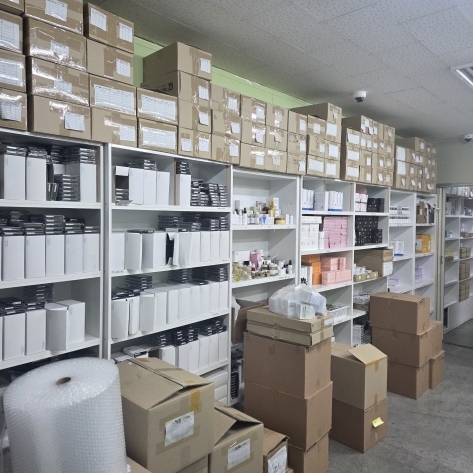
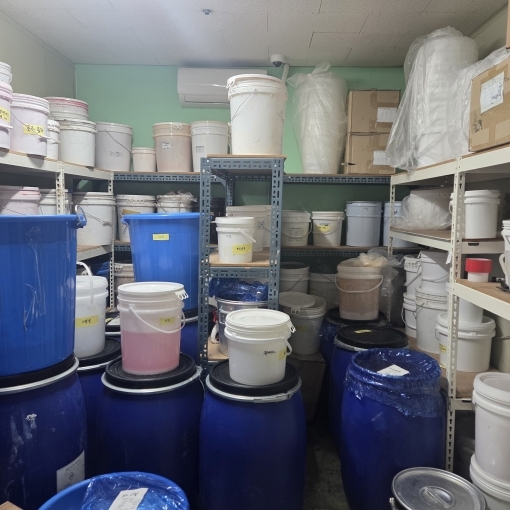
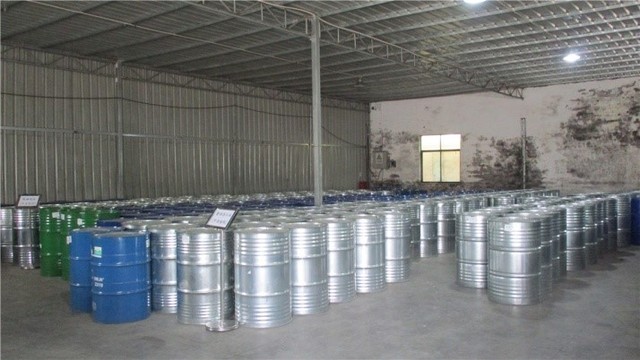
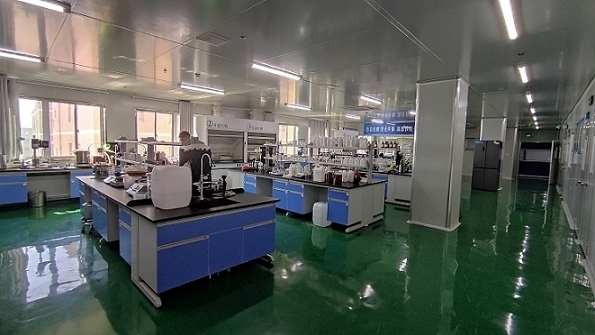
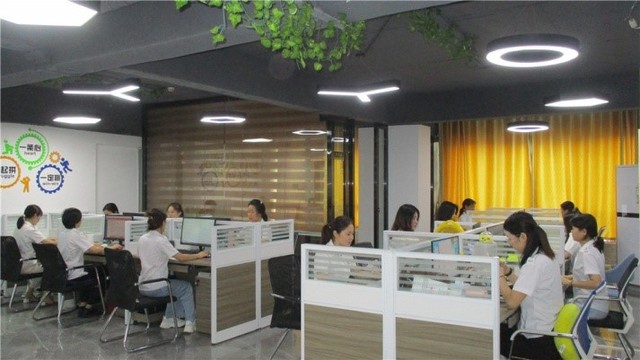
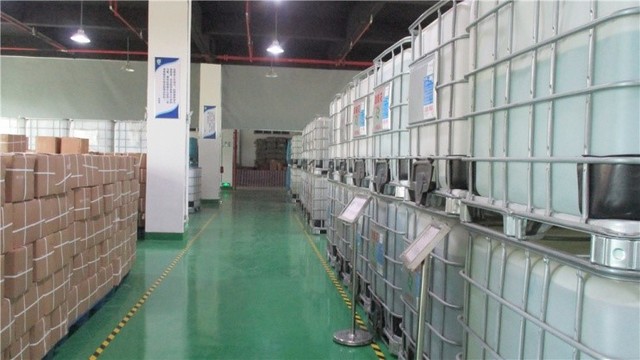
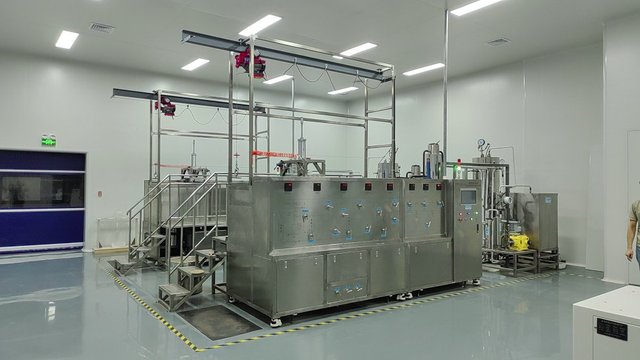
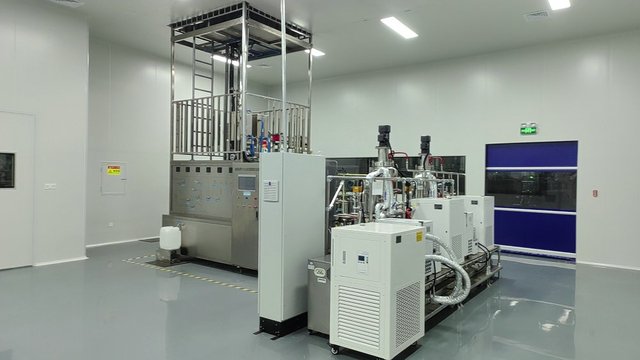
Take an inside look at Spekciton Biology's manufacturing infrastructure, advanced extraction laboratories, and analytical testing chambers.


Answering key questions on formulations, customization, regulatory standards, and bulk procurement logistics.
Complete your beauty and wellness product lines with our high-grade processing aids, active powders, and functional cosmetic systems.
 Spekciton Biology