Premium grade actives, chemical processing media, and auxiliary cosmetic ingredients manufactured under stringent global quality benchmarks.
The global cosmetic formulation market is undergoing a significant transition. Historically dominated by aggressive mechanical abrasives (such as synthetic microbeads, which face intensive legislative bans globally due to environmental contamination), the industry has firmly pivoted toward biocompatible chemical and enzymatic peeling agents.
This dynamic shifts production focus towards China-based manufacturing hubs. Key market dynamics show that China is now the primary exporter of advanced raw materials that balance efficacy with cutaneous safety profiles. Modern formulations prioritize the stabilization of the epidermal barrier, demanding multi-functional raw materials such as botanical alpha-hydroxy acids (AHAs), lipid-soluble beta-hydroxy acids (BHAs), and next-generation polyhydroxy acids (PHAs) characterized by minimal transepidermal water loss (TEWL).
Analyzing the paradigm shift in molecular structures, biological fermentation, and green supply networks.
Formulators are moving away from traditional glycolic acid concentrations toward biological ferments (like Brown Rice Ferment Filtrate) and fruit enzymes. These pathways target desmosomal proteins without triggering inflammatory cascades, ideal for sensitive skin typologies.
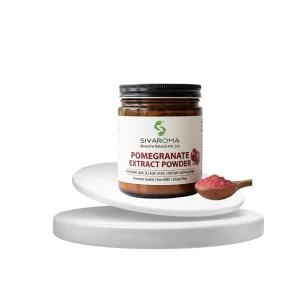
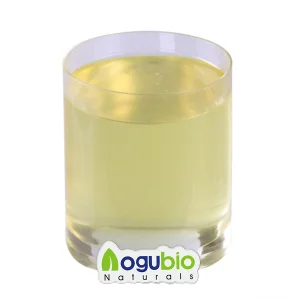
Sustainability is no longer optional. Extracting valuable active molecules from agricultural byproducts—such as anti-inflammatory components from Pomegranate Fruit Extract and polyphenol-rich Cocoa Shell Extract—allows brands to build credible "circular economy" narratives.
By trapping acidic exfoliants in natural matrices or combining them with osmoprotectants (such as Ectoin Powder and fermented Squalane), transdermal irritation is minimized while maintaining prolonged enzymatic action on the stratum corneum.
Your Authoritative Raw Materials and Active Ingredients Production Partner in China.
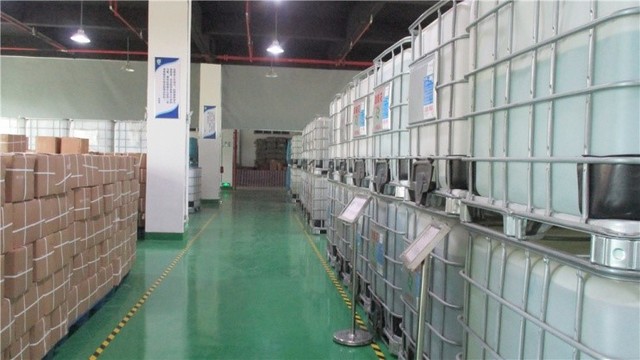
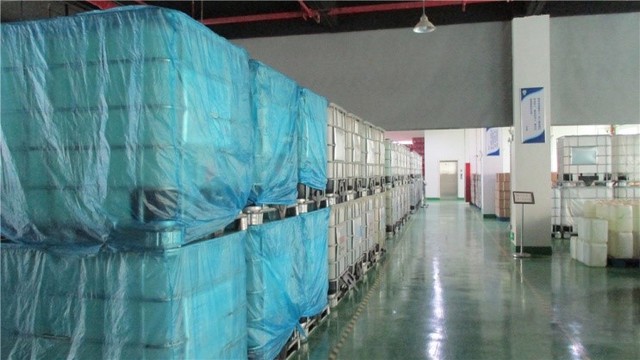
Chengdu Spekciton Biology Co., Ltd. is a professional China cosmetic ingredients manufacturer specializing in the research, development, production, and supply of high-quality personal care raw materials for skincare, haircare, and beauty applications. With a commitment to innovation, quality, and sustainability, the company provides comprehensive ingredient solutions to cosmetic brands, formulators, and manufacturers worldwide.
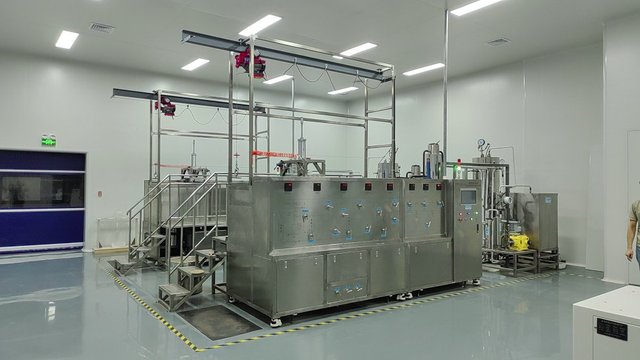
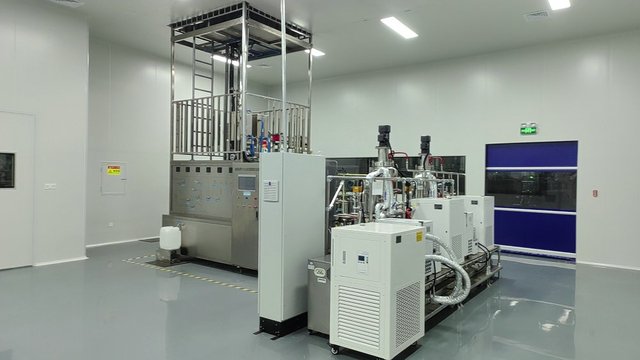
Backed by advanced research capabilities and modern production facilities, Chengdu Spekciton Biology offers a diverse portfolio of cosmetic ingredients, including active ingredients, botanical extracts, peptides, moisturizing agents, anti-aging ingredients, fermentation-derived ingredients, and other functional raw materials. These ingredients are widely used in skincare products, hair care formulations, color cosmetics, personal hygiene products, and clean beauty applications.
Innovation is at the core of the company's development strategy. Our experienced R&D team continuously explores new technologies and bioactive compounds to meet the evolving demands of the global beauty and personal care industry. We also provide customized ingredient solutions to help customers optimize product performance, improve formulation efficiency, and accelerate product development timelines.
Quality assurance is integrated into every stage of production. From raw material sourcing and manufacturing to final product testing, Chengdu Spekciton Biology implements strict quality control systems to ensure product consistency, purity, safety, and compliance with international standards (such as COA, MSDS, and ISO certifications).
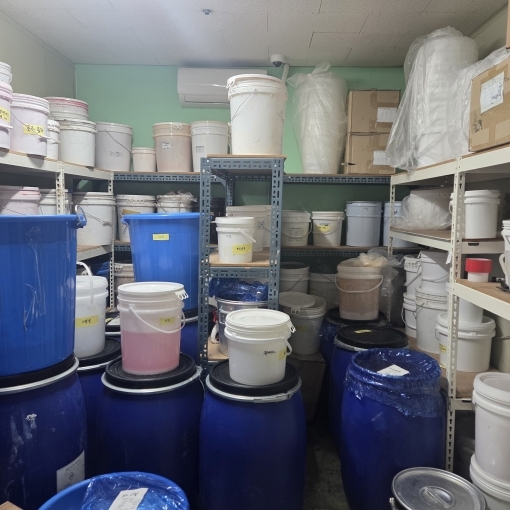

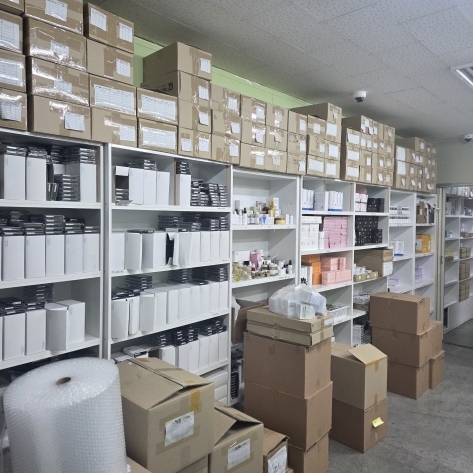

The progression of exfoliation science from basic friction to micro-targeted enzymatic signaling.
Focus on natural grain optimization, size distribution control, and surface treatment to prevent micro-tears in epidermal barriers.
Advancing synthetic purity of Salicylic, Glycolic, and Lactic acids. Optimizing pH buffering agents to sustain desquamation while mitigating stinging sensations.
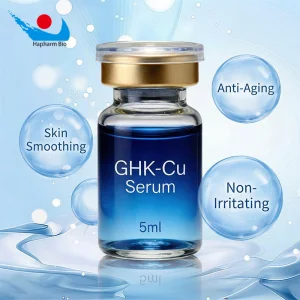
Integrating synthetic peptides like GHK-Cu and Silk Peptide Complexes with gentle micro-exfoliation to trigger post-peel collagen and elastin regeneration.
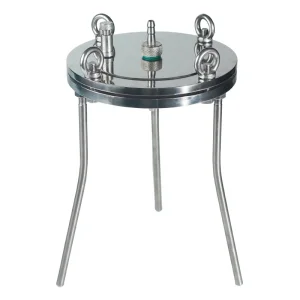
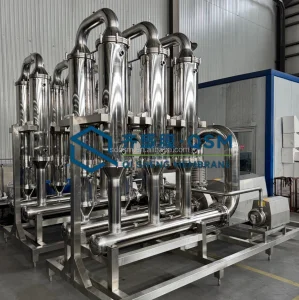
Utilizing high-end engineering platforms like Ceramic Membrane Filters and vacuum purification to guarantee cosmetic active ingredients with zero traces of heavy metals or residual solvents.
Adapting manufacturing parameters to target specific global regulatory standards and localized customer skin types.
Focuses on combining micro-dosed salicylic derivatives with high-recovery agents like Squalane and Ectoin Powder (98%). This protects the relatively thin stratum corneum typical of East Asian demographics from environmental stressors.
Formulations designed for aesthetic clinics requiring high concentrations of AHA/BHA. Clean pH-buffering cellulose agents like HPMC are integrated to maintain gel viscosity during application.
Shifting focus to trichological health. Utilizing Cocoa Shell Extract (pH 4.7-6.0) combined with mild surfactants to dissolve sebum blockages without disturbing hair follicle stem cells.
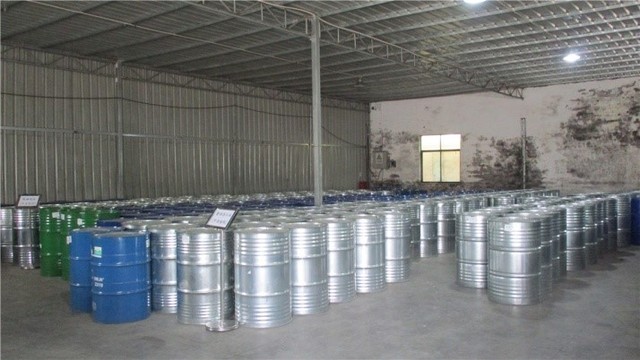
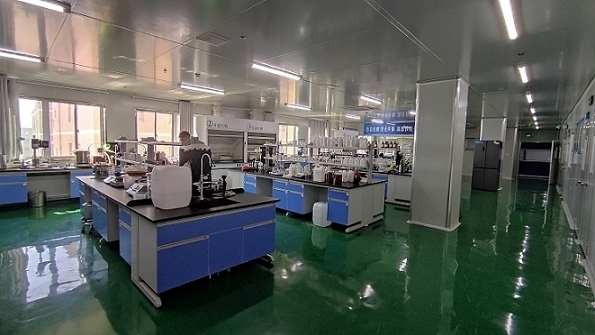


Addressing formulation stability, raw material selection, manufacturing practices, and international regulatory compliance.
Broaden your production capabilities with our specialized technical equipment and skin restoration agents.
 Spekciton Biology