What makes a cosmetic ingredient clean label is not always obvious from a jar’s front panel. The phrase has no single, universally accepted meaning, so brands may use it differently. A short ingredient list can look reassuring, but length alone does not tell you how an ingredient is sourced, processed, or used. Details matter.
A more careful assessment looks at the ingredient’s purpose, origin, manufacturing information, and available safety evidence. For example, a moisturizer may contain a plant-derived oil, a preservative, and a stabilizer; each has a different role in keeping the formula usable. “Natural” does not automatically mean safer, and “synthetic” does not automatically mean harmful. That sounds simple. It rarely is. Labels also may not explain every processing step, and terms such as clean or gentle can leave important questions unanswered.
This guide explores the questions shoppers and product teams can ask when evaluating cosmetic ingredients: What does each ingredient do? Is its source clearly described? What evidence supports safety claims? Transparent answers are more useful than a reassuring slogan. Still, no label can tell the whole story. A formula’s overall design, the amount used, and how the product is applied all matter. The goal is not to find a perfect ingredient list, but to make informed, realistic choices.
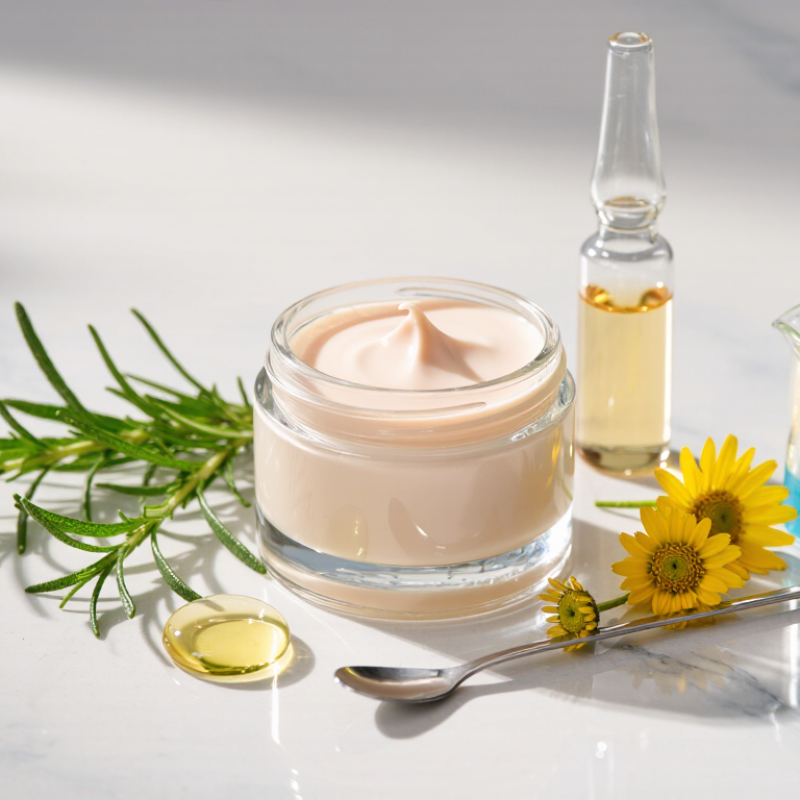
A clean-label cosmetic ingredient is not a single scientific category with a universal definition. It is a consumer-facing description shaped by expectations about sourcing, processing, safety, and transparency. That distinction matters. A plant-derived oil, for example, may sound simple, but its quality also depends on how it is extracted, stored, and tested. “Natural” alone tells us little about performance or suitability.
A useful definition starts with the ingredient’s role in the finished formula. Does it moisturize, preserve, or help a cream spread evenly? Formulators also consider its source, manufacturing steps, impurities, and available safety data. Details matter. A clear specification can identify purity limits and help ensure each batch behaves consistently. Clean-label preferences should not replace a proper safety assessment; an ingredient’s origin cannot predict every possible reaction. Nor is every processing step easy to explain on a package. Some supplier information is confidential, and simpler wording may hide real trade-offs. The term remains imperfect, so asking what it means in a specific formula is more useful than relying on the label alone.
“Clean label” has no single globally standardized legal definition for cosmetics. The criteria below are practical considerations, not a certification or guarantee of safety, sustainability, or suitability for every product.
| Ingredient example (INCI name) | Typical function | Clean-label considerations | Useful evidence to review |
|---|---|---|---|
| Glycerin | Humectant; helps attract and retain water in the skin’s outer layers. | May be made from plant-based or other feedstocks. “Plant-derived” describes source, not a guaranteed safety or environmental benefit. | Supplier documentation on feedstock, purity, specifications, and manufacturing controls. |
| Squalane | Emollient; contributes to a smooth skin feel. | Can be sourced from different feedstocks, including plant-based sources. Confirm the source rather than inferring it from the INCI name. | Feedstock statement, identity and purity specifications, and traceability information. |
| Tocopherol | Antioxidant; commonly used to help protect oils in a formula from oxidation. | May be naturally sourced or manufactured. Its origin does not remove the need to assess concentration, stability, and finished-product safety. | Identity, purity, source, and stability data relevant to the formula. |
| Xanthan Gum | Thickener and stabilizer; helps adjust texture and keep ingredients evenly dispersed. | Produced by microbial fermentation. Processing and source details can matter to shoppers, but fermentation-derived does not by itself mean “chemical-free.” | Specifications, quality controls, and relevant residual or contaminant information. |
| Citric Acid | pH adjuster; helps bring a formula to its intended acidity or alkalinity. | Often produced by fermentation. A clear explanation of its function can help consumers understand why it is included. | Ingredient specifications and finished-formula pH testing. |
| Phenoxyethanol | Preservative; helps limit the growth of microorganisms in cosmetic products. | Some clean-label standards exclude it, while others focus on legal limits and product testing. Preservatives can be important for product safety. | Applicable-market compliance, use level, product safety assessment, and preservative efficacy testing. |
| Parfum (Fragrance) | Provides or modifies a product’s scent. | The INCI term may represent a fragrance mixture. Fragrance ingredients can be relevant to people with sensitivities; fragrance-free options may be preferred by some consumers. | Fragrance composition and applicable allergen labeling information for the intended market. |
| Melaleuca Alternifolia (Tea Tree) Leaf Oil | Fragrance ingredient and skin-conditioning ingredient in some formulations. | Botanical origin does not guarantee that an ingredient is non-irritating or non-allergenic. Oxidation and concentration can affect tolerability. | Identity, purity, storage and oxidation controls, use level, and product safety assessment. |
A credible clean-label approach is transparent about ingredient names, functions, sources, and relevant safety evidence. Assess the complete formulation and intended use; “natural,” “synthetic,” and “clean” alone do not determine whether a cosmetic ingredient is safe or effective.
No. It has no universal definition, so its meaning depends on the product and the claims made.
No. Safety depends on the ingredient, its concentration, how people use it, and where it is applied. The word “natural” tells us little by itself.
Ask where it comes from, how it is processed, and whether supplier records are available. For a plant oil, refining can affect its color and odor. Details matter.
Specifications can describe identity and purity limits. Batch records help track changes and support consistent product performance. Small differences can matter.
Not necessarily. Their concentration, solvent, and interactions with other ingredients can affect the finished product. I would not judge by the plant name alone.
Properly selected and tested preservatives help control microbial growth. Removing one just to shorten the ingredient list may not improve the formula.
Check relevant identity, purity, stability, and safety data. Evidence should match the material and its actual use. Some information may remain incomplete.
No. Businesses should check applicable restrictions, documentation, labeling rules, and claim support for each market. Keep records current when suppliers or formulas change. A neat label is not enough.
What makes a cosmetic ingredient clean label depends on more than a short or natural-sounding ingredient list. The term has no single universal definition, so expectations can vary between companies and markets. In general, a clean label approach emphasizes clear ingredient information, thoughtful sourcing, and processing methods that align with a product’s stated values. It also considers how ingredients work together in the finished formula, rather than judging each one in isolation.
Safety and reliable evidence remain essential when assessing any cosmetic ingredient. Consumers can look beyond front-of-package language by reviewing the full ingredient list, checking whether claims are specific and supported, and considering how the product is intended to be used. A transparent, well-formulated product should communicate its ingredients and claims clearly without implying that a particular label automatically guarantees safety or effectiveness.

 Spekciton Biology