Peptides are short chains of amino acids that increasingly appear in creams, serums, masks, and eye products. Their appeal is practical: some peptides may support visible firmness, smoother texture, or improved skin comfort. However, “peptide” is not one single ingredient or guaranteed result. Its performance depends on sequence, concentration, formulation, stability, and regular use.
So, what role do peptides play in cosmetic products? They commonly serve as signal, carrier, enzyme-inhibiting, or neurotransmitter-influencing ingredients. Signal peptides may help support collagen-related processes in the skin’s surface environment. Carrier peptides can assist with delivering trace elements, although real-world benefits vary. These effects should not be confused with medical treatment. The evidence is promising, but uneven. That distinction matters.
Industry demand helps explain the attention. McKinsey’s The Business of Beauty report projects the global beauty market could reach approximately $580 billion by 2027, with annual growth near 6%. Grand View Research also identifies anti-aging skincare as a major force within the broader cosmetics sector. These figures show commercial momentum, not proof that every peptide formula works. Product labels still require careful reading. Check the peptide name, supporting ingredients, packaging, and usage directions. A clear airless pump may protect a sensitive formula better than an open jar. Small details count.
This article examines peptide functions, formulation science, consumer expectations, and evidence quality. It also questions common marketing language. More research would improve confidence. That is worth acknowledging.
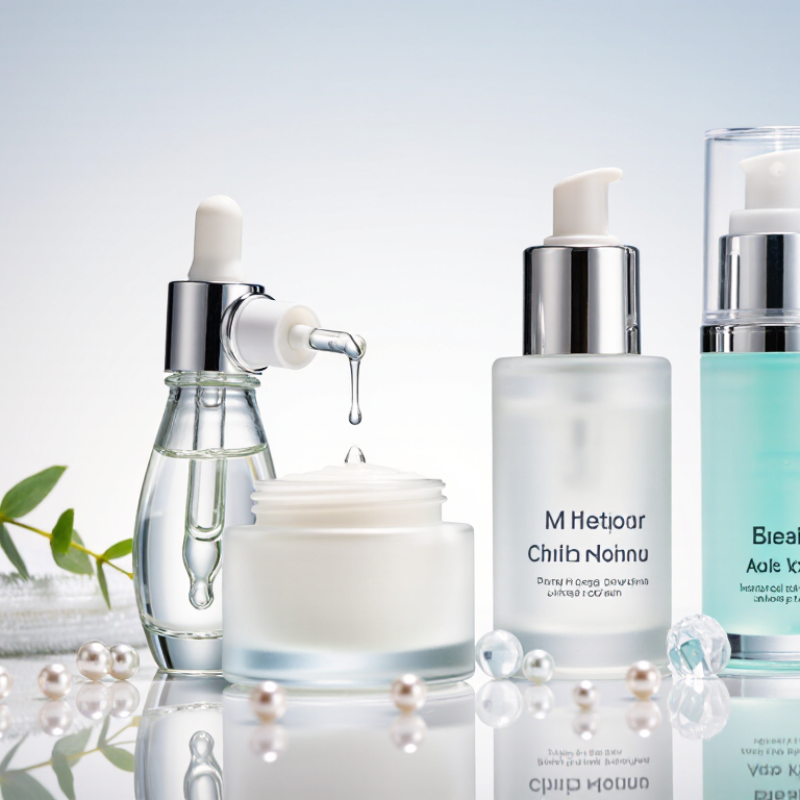
Peptides are short chains of amino acids used in cosmetic products. They act as communication signals, carriers, or supportive ingredients. Their small size sounds impressive, but size alone does not guarantee skin penetration. Some peptides remain on the surface, while others may reach upper skin layers. The formula matters, including pH, delivery ingredients, concentration, and packaging stability.
Different peptides serve different cosmetic purposes. Signal peptides may support processes linked with collagen and elastin appearance. Carrier peptides can help deliver minerals to the skin’s surface. Other types may reduce the look of expression lines by influencing visible muscle movement. These effects are not equivalent to injections or medical treatment. Peptides work best within a balanced routine containing moisturising ingredients and daily sun protection.
The evidence deserves careful reading. Laboratory results may appear stronger than changes seen in everyday use. Human skin also differs with age, climate, sensitivity, and existing damage. A practical routine might apply a peptide serum after cleansing, followed by moisturiser, without expecting overnight results. That part is easy to forget. Gradual improvement in softness, comfort, or visible firmness is more realistic. Patch testing remains sensible, especially for reactive skin. I would also question products making dramatic promises, because peptide research is promising but not flawless.
Peptides are short chains of amino acids found in many cosmetic formulas. Their small structure allows them to act as messengers near the skin’s surface. Some signal peptides may resemble fragments of the skin’s support matrix. They can encourage fibroblasts to support collagen-related processes. Keratinocytes may also respond to peptide signals during barrier repair. Not magic.
Carrier peptides can bind trace minerals and help place them near targeted skin areas. Enzyme-inhibiting peptides may slow the activity of enzymes linked with collagen breakdown. Most evidence comes from laboratory studies or controlled cosmetic trials. A laboratory result does not always predict visible changes on human skin. The science is promising, but it is not perfectly settled. Individual skin biology remains a major variable.
The outer skin barrier limits how deeply many peptides can travel. Formula design matters, including concentration, pH, stability, and delivery systems. Apply peptide products to clean, dry skin, then use a simple moisturizer. Patch testing can reveal irritation before regular use. Fragrance, preservatives, or other active ingredients may cause the reaction instead. I would judge progress through consistent photographs and several weeks of use. Small improvements are easier to miss than dramatic claims.
What Role Do Peptides Play in Cosmetic Products?
Peptides are short chains of amino acids used in many skincare formulas. Their role depends on structure, concentration, and delivery system. Small chains. Often overlooked. Signal peptides, such as palmitoyl tripeptide, are designed to support the look of firmer, smoother skin. They may encourage skin to maintain visible elasticity, although results vary between formulas. Carrier peptides can bind minerals and help deliver them to the skin’s surface. Copper tripeptide is a commonly discussed example. Its use requires careful formulation and stability testing.
Neurotransmitter-inhibiting peptides are used in products targeting the appearance of expression lines. They may soften the look of repeated facial movement without acting like a medical injection. Enzyme-inhibiting peptides represent another group. These ingredients may influence processes linked with uneven-looking skin, but their cosmetic effects are usually gradual. In practice, the base formula matters as much as the peptide. A well-designed serum needs suitable pH, preservation, and packaging. Air and light can weaken sensitive ingredients. Topical penetration also remains a limitation. Peptides are not magic ingredients. I would question any product promising dramatic changes within days. Patch testing is sensible, especially for reactive skin. Individual results can be modest, and the evidence is not equally strong for every peptide type.
What Role Do Peptides Play in Cosmetic Products?
Potential Skin Benefits and Product Applications
Peptides are short chains of amino acids used in many modern cosmetic formulas. Their main appeal is their potential to support visible skin improvements without changing the skin’s natural structure. Depending on their design, peptides may help improve the look of fine lines, firmness, texture, or dryness. Some also support the appearance of a stronger skin barrier. Results vary widely.
Formulation matters greatly. A peptide serum may work differently from a cream because texture, concentration, pH, and packaging affect product stability. Supporting ingredients, such as humectants and emollients, can also improve how skin feels after application. In professional product evaluation, claims should match available evidence rather than rely on impressive wording. “Clinically tested” can mean different things, so readers should check the study details.
Consistency matters more than dramatic promises. Use as directed.
Peptides are generally designed for regular topical use, but sensitive skin may still react to preservatives or other ingredients. A small patch test is a sensible step, especially when trying a new product. The science remains encouraging, though not perfectly predictable. Some studies are limited, and laboratory results may not reflect everyday skin conditions. That gap deserves attention. A balanced routine, sun protection, and realistic expectations usually matter as much as the peptide itself.
| Peptide Category | Representative Cosmetic Ingredients | Proposed Role in Skin | Potential Skin Benefits | Common Product Applications | Evidence and Practical Considerations |
|---|---|---|---|---|---|
| Signal peptides | Palmitoyl tripeptide-1; palmitoyl tetrapeptide-7; palmitoyl tripeptide-38 | May act as biochemical signals that support extracellular-matrix-related processes, including the production or organization of structural skin components. | A smoother-looking texture, improved appearance of fine lines, and support for a firmer-looking complexion. | Anti-aging serums, facial creams, eye products, neck creams, and leave-on treatments. | Benefits are generally gradual and formulation-dependent. Cosmetic products should not be presented as rebuilding the dermis or treating wrinkles as a medical condition. |
| Carrier peptides | Copper tripeptide-1; manganese tripeptide-1 | Bind or transport trace elements that may participate in skin-supportive biochemical and repair-related pathways. | Potential support for skin conditioning, resilience, and the appearance of recovery after environmental stress. | Repair-focused serums, moisturizers, post-exposure care products, and products for mature-looking skin. | Copper-containing formulas require careful compatibility and stability control. “Repair” in cosmetic communication should refer to appearance and conditioning rather than wound healing. |
| Neurotransmitter-affecting peptides | Acetyl hexapeptide-8; pentapeptide-18 | May influence signaling associated with repeated facial muscle contraction at the skin surface. | Temporary improvement in the appearance of expression lines may be possible with consistent use. | Expression-line serums, targeted eye products, forehead treatments, and facial concentrates. | Topical effects should not be equated with injectable neuromodulators. Results vary, and evidence is often based on small or supplier-sponsored studies. |
| Enzyme-inhibitory peptides | Oligopeptide-68; selected peptide sequences studied for tyrosinase or matrix-metalloproteinase modulation | May influence enzymes involved in pigment formation or the breakdown of extracellular-matrix proteins. | Potentially more even-looking tone and support for the visible appearance of skin firmness. | Brightening products, uneven-tone serums, anti-aging formulas, and targeted treatment creams. | Laboratory enzyme inhibition does not automatically demonstrate a visible benefit in people. Sun protection remains essential for managing uneven tone and photoaging. |
| Antimicrobial peptides | Selected naturally derived or synthetic antimicrobial peptide systems | May interact with microbial membranes or support the skin’s natural defense environment. | Potential support for skin freshness and barrier-oriented care, particularly in products designed for blemish-prone skin. | Cleansers, blemish-care products, scalp-care products, and preservation-support systems. | Activity can be affected by pH, salts, surfactants, and other formula ingredients. Cosmetic use does not replace medical treatment for infection or inflammatory skin disease. |
| Barrier-supportive peptides | Short peptides used with moisturizers, humectants, ceramides, or fatty acids | May support skin conditioning and complement ingredients that reduce water loss or improve surface hydration. | Softer feel, reduced appearance of dryness, and a more comfortable-looking skin surface. | Daily moisturizers, barrier creams, sensitive-skin products, and after-cleansing treatments. | Hydration benefits may come from the overall formula rather than the peptide alone. Peptides are usually supporting ingredients, not substitutes for occlusives or humectants. |
| Marine or plant-derived peptide hydrolysates | Hydrolyzed collagen, rice peptides, soy peptides, oat peptides, and other peptide-rich hydrolysates | Primarily function as skin-conditioning, film-forming, or water-binding materials on the surface. | Temporary smoothness, improved feel, and a more moisturized-looking appearance. | Moisturizers, masks, cleansers, hair-care products, and skin-conditioning lotions. | Large hydrolyzed proteins and peptides generally have limited penetration into living skin. Their most reliable cosmetic roles are surface conditioning and sensory improvement. |
Peptides in cosmetics are short chains of amino acids used to support skin-conditioning claims. Some may influence visible firmness, hydration, or barrier comfort. Their effects depend on sequence, concentration, stability, and delivery system. A peptide is not automatically effective because its name sounds scientific.
Safety begins with ingredient quality and realistic claims. The Cosmetic Ingredient Review program assesses cosmetic ingredients through published toxicology evidence, while the EU Scientific Committee on Consumer Safety emphasizes exposure, impurities, and product use patterns. Preservatives, solvents, and fragrance materials may also affect tolerance. In practice, a serum can sting around the nose, even when its peptide is well tolerated. Evidence remains uneven. Some studies are small, short, or supplier-supported, so results should be interpreted carefully.
Cosmetics Europe reported approximately €96 billion in European cosmetics and personal-care sales during 2023. This commercial scale increases interest in peptide products, but market demand is not proof of clinical performance. Formulators should check pH compatibility, packaging, heat exposure, and repeated-use stability. Users should apply products as directed, avoid damaged skin, and patch test when sensitivity is likely.
Peptides are short chains of amino acids. They can send signals near the skin’s surface. Small chains. Their effects depend on the formula.
Some peptides may support collagen-related activity in fibroblasts. Others may assist visible barrier comfort during repair. These effects are usually gradual. Not magic.
Some signal peptides may improve the appearance of firmness and smoothness. Results vary between people and products. Dramatic changes within days deserve skepticism.
Carrier peptides can bind trace minerals. They may help place those minerals near the skin’s surface. Their performance depends on stability and delivery design.
Some peptides may soften the appearance of repeated facial movement. They do not work like medical injections. Changes may remain subtle.
Apply it to clean, dry skin. Follow with a simple moisturizer. Introduce one new product at a time. Consistency matters.
Yes, especially with reactive skin. Apply a small amount to a limited area first. Watch for redness, burning, or persistent dryness. Stop if irritation continues.
The peptide may not be responsible. Fragrance, preservatives, solvents, or other active ingredients can sting. The nose area may react first. Formulas are complicated.
No. Concentration, pH, packaging, stability, and delivery systems also matter. Laboratory results may not predict visible human results. I would question confident claims.
Keep them away from heat and direct sunlight. Close the container carefully after use. Air and light may weaken sensitive ingredients. Storage is easy to overlook.
Peptides are short chains of amino acids that can support the skin’s natural functions and are increasingly used in cosmetic formulations. This article explains what role do peptides play in cosmetic products by examining how these ingredients communicate with skin cells and may help maintain the appearance of firmness, smoothness, hydration, and overall skin quality. It also introduces common peptide categories, including signal peptides, carrier peptides, and peptides designed to support a more relaxed-looking complexion, while discussing how their intended effects differ.
The article also considers practical product applications, such as creams, serums, and targeted treatments. It highlights that peptide performance can depend on concentration, ingredient stability, formulation design, packaging, and consistent use. Although peptides are generally well tolerated, users should consider individual sensitivities, follow product directions, and use appropriate sun protection as part of a balanced skin care routine.

Spekciton Biology