In the world of cosmetics, the choice between natural and synthetic ingredients is often debated. With increasing consumer interest in clean beauty, understanding "what is the difference between natural and synthetic cosmetic ingredients" has never been more crucial. Dr. Sarah Lee, a skincare expert, emphasizes, “Natural ingredients can benefit the skin, but synthetic ones often offer more stability and effectiveness.”
Natural ingredients, derived from plants and minerals, are often praised for their purity. They are perceived as safer and gentler, appealing to the environmentally conscious consumer. However, they can vary in quality and potency. For example, essential oils may irritate sensitive skin, despite their organic nature. On the other hand, synthetic ingredients, designed in laboratories, can deliver targeted results. They provide consistency and longer shelf life, yet may raise concerns over allergens or skin reactions.
As consumers navigate this dilemma, it’s essential to weigh the pros and cons of each. The decision often hinges on individual skin types and preferences. While both types of ingredients have merit, their differences can shape personal experiences. Hence, it is vital to reflect on what aligns best with your skincare philosophy.
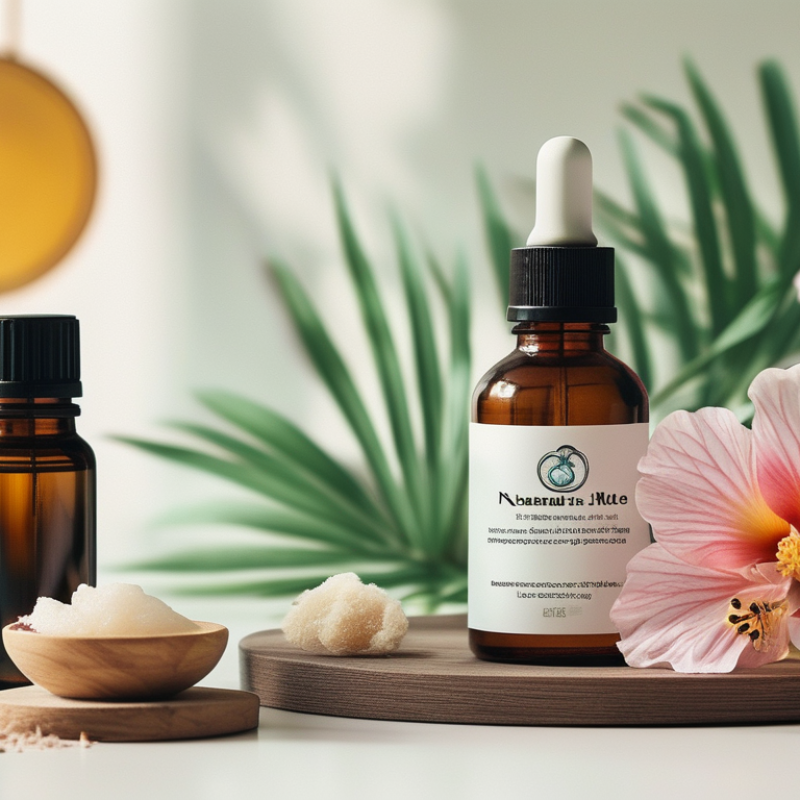
Natural Cosmetic Ingredients: Definition and Examples
Natural cosmetic ingredients come from nature. They include plant extracts, minerals, and essential oils. These components often provide nourishment and hydration to the skin. For example, aloe vera is known for its soothing properties. Similarly, shea butter deeply moisturizes and nourishes dry skin.
Despite their benefits, natural ingredients have limitations. They may cause allergic reactions in some individuals. It’s essential to patch test these products before widespread use. Additionally, natural ingredients can have a shorter shelf life compared to synthetic ones. This can lead to waste if products expire before use.
Choosing natural ingredients often feels safer. However, it’s crucial to be aware of potential downsides. Natural doesn’t always mean better in every situation. Understanding your skin's unique needs is vital. Researching the specific ingredients and their effects can lead to better choices. Balancing the allure of natural ingredients with evidence-based knowledge is key for effective skincare.
Synthetic Cosmetic Ingredients: Definition and Examples
Synthetic cosmetic ingredients play a crucial role in modern beauty products. These man-made components are designed to enhance performance and stability. They can provide consistent results that natural ingredients sometimes cannot match. Common examples include silicones, which give a smooth texture, and preservatives that extend shelf life.
Some people worry about synthetic ingredients, thinking they may be harmful. However, many are rigorously tested for safety. They are often formulated to be effective, yet gentle on the skin. For instance, synthetic polymers create a barrier that locks in moisture. This can be especially beneficial for dry skin.
Despite their advantages, synthetic ingredients can sometimes provoke sensitivity. Individuals may react differently to these substances. It's beneficial to approach new products cautiously. Reading labels and being aware of reactions can lead to better choices. Balancing efficacy and personal skin needs is vital for a satisfactory beauty routine.
Benefits of Natural Ingredients in Cosmetics
Natural ingredients in cosmetics have gained significant attention recently. Many people are drawn to these products due to their perceived benefits. Natural ingredients often harness the power of plants, minerals, and essential oils. These components may deliver nourishing properties that are gentle on the skin. For example, aloe vera soothes irritation, while shea butter provides deep moisture. This allows users to maintain healthy skin without harsh chemicals.
However, it’s essential to recognize that not all natural ingredients are flawless. Some can still cause allergic reactions or irritation. For instance, essential oils might be too potent for sensitive skin types. Understanding your skin’s unique needs is key. It’s crucial to research and test products before fully committing to them. This approach helps individuals avoid negative reactions and find what truly works for them.
Natural cosmetics also emphasize sustainability. Many brands use eco-friendly practices, minimizing environmental impact. Yet, consumers must remain cautious. The term "natural" isn't always regulated, leading to potential mislabeling. Thus, selecting reputable brands with clear ingredient sourcing is vital. In this evolving market, informed choices contribute to a more responsible beauty regimen.
Natural vs Synthetic Cosmetic Ingredients
Advantages of Synthetic Ingredients for Skincare
Synthetic ingredients in skincare have garnered significant attention for their unique benefits. Reports indicate that 80% of cosmetic products contain synthetic compounds. These ingredients can effectively address various skin concerns, from acne to aging. In particular, retinoids, derived from vitamin A, have been shown to reduce fine lines and improve skin texture. Data from clinical studies highlight that users see a 30% improvement in skin appearance with consistent use.
Another advantage of synthetic ingredients is their stability. Many natural ingredients can degrade over time, losing efficacy. Conversely, synthetic formulations can be engineered for longevity and effectiveness. For instance, Hyaluronic Acid, a popular synthetic hydrator, can retain moisture levels five times greater than its natural counterparts. This makes it essential for those seeking deep hydration.
However, the debate continues. Some argue that synthetic ingredients may not be as gentle on sensitive skin. There’s evidence indicating that certain synthetic compounds can cause irritation in some users. Moreover, transparency in the sourcing of synthetic ingredients is essential. Not all synthetic compounds are equal. Therefore, understanding ingredient sourcing and formulation is crucial for informed choices. Utilizing synthetic ingredients doesn’t preclude the need for caution and individual assessment.
Natural vs Synthetic Cosmetic Ingredients: Advantages of Synthetic Ingredients for Skincare
| Aspect |
Natural Ingredients |
Synthetic Ingredients |
| Cost |
Generally higher due to sourcing and production |
Typically lower due to mass production and availability |
| Stability |
Can be less stable and have a shorter shelf life |
More stable, often with prolonged shelf life |
| Efficacy |
Depends on the extraction and formulation process |
Can be designed for specific functions and optimized for efficacy |
| Allergenicity |
May contain allergens, varies by source |
Can be formulated to minimize allergens and irritation |
| Environmental Impact |
More sustainable if sourced responsibly |
May contribute to pollution if not managed properly |
| Customization |
Limited to natural variations |
Highly customizable for specific product needs |
Making Informed Choices: Factors to Consider When Selecting Ingredients
When choosing cosmetic ingredients, consider the source. Natural ingredients often come from plants and minerals. They may provide skin benefits without harsh chemicals. However, their effectiveness can vary widely. Some natural extracts may irritate sensitive skin. Research shows these ingredients can also spoil quickly.
Synthetic ingredients, on the other hand, are created in labs. They can offer consistent quality and potency. Some are designed to mimic natural substances. Yet, they sometimes contain controversial compounds. These may raise concerns about long-term effects. It’s essential to evaluate personal skin types and concerns when making decisions.
Look for certifications and studies supporting ingredient claims. Peer-reviewed research boosts credibility. Insights from dermatologists can provide a professional perspective. Transparency about sourcing and production processes adds to reliability. Weigh the pros and cons carefully, and don’t hesitate to ask questions. In this evolving market, informed choices empower better skincare experiences.
Conclusion
The discussion surrounding cosmetic ingredients often centers on the question of "what is the difference between natural and synthetic cosmetic ingredients?" Natural cosmetic ingredients are typically derived from plants or minerals and include substances like essential oils, botanical extracts, and minerals. These ingredients are praised for their skin-friendly properties and are often perceived as safer options for consumers. On the other hand, synthetic cosmetic ingredients are created through chemical processes and can include compounds designed to enhance product stability, texture, or effectiveness. While some may view synthetic ingredients with skepticism due to concerns about potential irritants, they also offer benefits like consistency and longer shelf life.
When making informed choices, it's crucial to consider factors such as skin type, specific needs, and personal values regarding sustainability and safety. By weighing the benefits of natural versus synthetic ingredients, consumers can select products that best align with their skincare goals and preferences.

 Spekciton Biology