In the ever-evolving cosmetic industry, understanding "what factors affect cosmetic ingredient performance" becomes imperative. Dr. Emily Carter, a leading cosmetic chemist, emphasizes, "The interaction between ingredients and skin is crucial for effective formulations." Various elements influence how well cosmetic ingredients perform.
Differences in skin type, formulation pH, and ingredient concentration all contribute significantly. For instance, sensitive skin might react adversely to certain actives, leading to less effectiveness. Additionally, the stability of ingredients under different conditions can impact their performance.
Consumers often overlook these details. They may assume all products work the same way. However, the complexity of cosmetic chemistry reveals that achieving optimal results requires careful formulation. As the industry grows, addressing these factors is essential for product development. Awareness and understanding can make all the difference in creating effective cosmetic solutions.
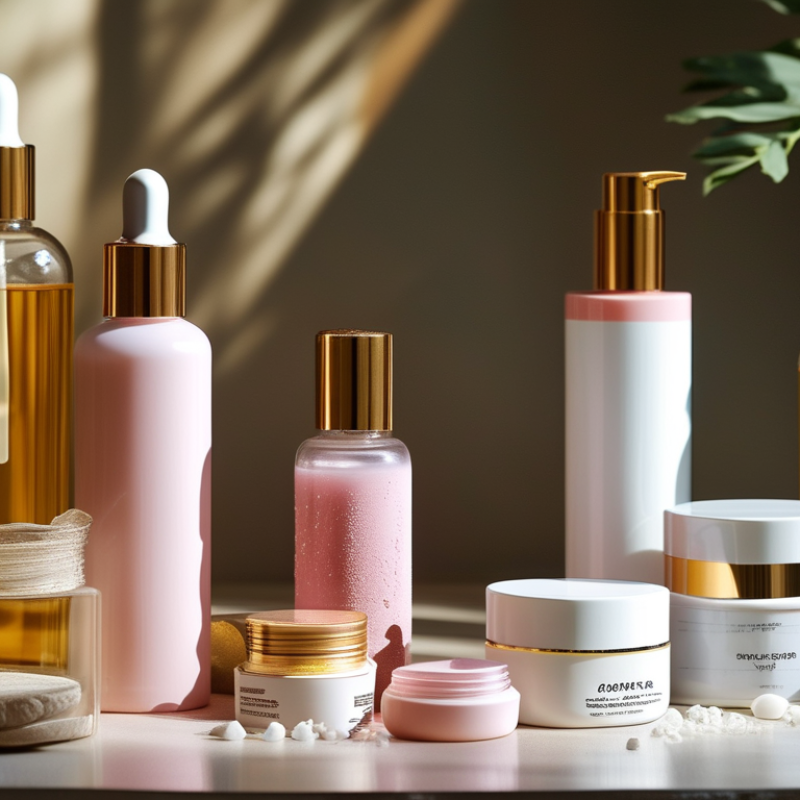
Ingredient purity plays a crucial role in cosmetic performance. High-quality ingredients can significantly enhance the efficacy of products. Impurities can lead to inconsistent results, irritation, or even allergic reactions. Thus, choosing pure ingredients is essential for optimal outcomes in cosmetic formulations.
When selecting products, consumers should pay attention to ingredient lists. Look for fewer synthetic additives and focus on natural components. This can positively impact skin compatibility and overall effectiveness. Purity often correlates with better skin absorption and long-lasting effects.
Proper storage of cosmetics also influences ingredient performance. Exposure to light and air can degrade sensitive compounds. Keeping products in a cool, dark place can help maintain their integrity. Testing new products on a small area of skin can prevent potential reactions. Always prioritize products with transparent sourcing and testing for purity.
pH levels play a vital role in cosmetic ingredient efficacy. Most cosmetic products are formulated to function optimally within a specific pH range. For instance, the ideal pH for skin care products is typically between 4.5 to 5.5. This is crucial for maintaining skin barrier integrity and facilitating ingredient absorption. Research indicates that when pH levels deviate from this range, it can result in reduced effectiveness of active ingredients, leading to compromised product performance.
Studies show that certain ingredients, such as alpha hydroxy acids (AHAs), are significantly affected by pH levels. AHAs are more effective at lower pH levels, which can enhance exfoliation and improve skin texture. However, formulations with higher pH may render these ingredients less effective. Additionally, a report highlighted that the optimum pH for vitamin C's stability is around 3.5. Formulations outside this range can diminish its antioxidant properties, limiting its potential benefits.
Moreover, the skin's own pH can fluctuate due to environmental factors. It can become more alkaline after exposure to certain soaps or harsh detergents. This can affect how well cosmetic products perform on the skin. Users should be aware of their skin's condition, as it can impact the effectiveness of their skincare routine. Thus, understanding the influence of pH levels is critical for both formulators and consumers aiming for optimal skin health.
Temperature plays a crucial role in the stability and effectiveness of cosmetic ingredients. At elevated temperatures, certain ingredients may degrade, losing their intended properties. For example, emollients like oils and butters can become less effective when exposed to heat. This can lead to formulations that do not perform as planned.
On the other hand, low temperatures can impede the solubility of some active ingredients. This affects how well they blend into the formulation. Poor combinations lead to inconsistent texture and inadequate delivery of benefits. A well-formulated product requires an understanding of how temperature affects each component. Testing ingredients at different temperatures can illuminate potential weaknesses.
Cosmetic chemists must consider these factors during development. Formulators should plan for temperature variations in storage and transportation. Ultimately, a small oversight in temperature management can compromise the entire product. Further research and experimentation are essential to optimize ingredient performance under various conditions.
The interaction between cosmetic ingredients significantly impacts their effectiveness. Synergistic effects occur when two or more ingredients enhance each other’s performance. Conversely, antagonism happens when one ingredient reduces the efficacy of another. Understanding these interactions is crucial for formulators aiming for optimal results. According to a report by the Cosmetic Ingredient Review, formulations that leverage synergy can increase overall efficacy by up to 30%.
Choosing the right combinations can be complex. For instance, combining humectants with occlusives often leads to improved moisture retention. However, mixing acids without proper knowledge can lead to irritation. It’s essential to know how ingredients behave together. A study published in the Journal of Cosmetic Science found that certain peptides can enhance the absorption of antioxidants, leading to better skin protection.
Formulating with synergy in mind is vital for product success. Ensure that your combinations do not cause irritation. Regular testing is crucial as ingredient stability can vary. It might be worth revisiting combinations that did not work in the past. Innovating with ingredient interaction may yield untapped potential. Always keep user experience in focus, as even small changes can yield significant results.
This chart illustrates the top factors that affect cosmetic ingredient performance, showcasing the significant impact of ingredient interaction among others.
Skin type plays a critical role in how cosmetic ingredients perform. Each skin type—dry, oily, combination, or sensitive—functions differently. For instance, oily skin may restrict absorption, limiting the effectiveness of certain ingredients. In contrast, dry skin may absorb products more readily, leading to heightened efficacy. The interactions between ingredients and skin must be understood for better formulation.
The thickness of the skin barrier varies by individual. This barrier can significantly affect ingredient penetration. Sensitive skin often has a compromised barrier, making absorption inconsistent. In these cases, harsh ingredients may lead to irritation rather than the intended benefits. Observing skin reactions over time is crucial for understanding ingredient performance.
Furthermore, environmental factors influence how these ingredients work. Humidity, temperature, and even diet affect skin behavior. These variables can change how skin interacts with products. Formulators must consider these elements when creating effective formulations. A one-size-fits-all approach is flawed in the diverse landscape of skin care. Reflecting on one's unique skin characteristics can guide more informed choices in cosmetic products.
: Ingredient purity enhances product efficacy and reduces irritation or allergic reactions. Pure ingredients lead to optimal cosmetic outcomes.
Look for shorter ingredient lists and prioritize natural components over synthetic additives. This promotes skin compatibility and effectiveness.
Store cosmetics in a cool, dark place to maintain ingredient integrity. Avoid exposure to light and air to reduce degradation.
Most cosmetic products work best within a specific pH range. Deviations can reduce the efficacy of active ingredients.
An ideal skin care product pH is between 4.5 and 5.5. This range maintains skin barrier integrity and enhances absorption.
Yes, exposure to alkaline soaps can disrupt skin pH. This fluctuation can influence how well cosmetics perform on the skin.
Synergy occurs when ingredients enhance each other’s effectiveness. This can improve overall product efficacy significantly.
Mixing acids without proper knowledge can cause skin irritation. It’s crucial to understand how ingredients interact before combining them.
Combining humectants with occlusives often leads to better moisture retention. This pairing supports skin hydration effectively.
Always test new products on a small skin area first. This can help avoid unexpected reactions or irritation.
Understanding what factors affect cosmetic ingredient performance is crucial for developing effective products. One key factor is the purity of the ingredients, as contaminants can alter their efficacy and safety. Additionally, pH levels play a significant role in the performance of cosmetic ingredients; an unsuitable pH can diminish ingredient efficacy and cause adverse reactions on the skin.
Temperature also influences ingredient stability and function, with extremes potentially degrading active components. Furthermore, interactions between different ingredients can either create beneficial synergies or result in antagonistic effects, impacting overall product performance. Lastly, individual skin type variability significantly affects how ingredients are absorbed and utilized, making it essential to consider these differences when formulating cosmetics. Understanding these factors can enhance the formulation process and improve product outcomes.

Spekciton Biology