How to Create Clean Label Personal Care Products Effectively?

Time:2026-08-12 Author:Madeline
0%

Creating clean label personal care products is a growing trend in the beauty industry. Consumers demand transparency. They want to know what’s in their products. This desire pushes brands to rethink their formulations. It raises questions about how to formulate clean label personal care products effectively.

The process is intricate. Ingredients must be natural, safe, and sustainably sourced. However, achieving this balance can be challenging. Not all natural ingredients work well together. Some may cause allergic reactions or irritate the skin. Thus, formulating these products requires in-depth knowledge and careful consideration.

Brands face the challenge of meeting consumer expectations while ensuring product efficacy. There’s pressure to avoid synthetic chemicals, yet many formulations rely on them for stability. It's essential to strike a balance. Engaging with suppliers and conducting thorough testing can help create safe, effective products. Reflection on these hurdles leads to better practices in the future.
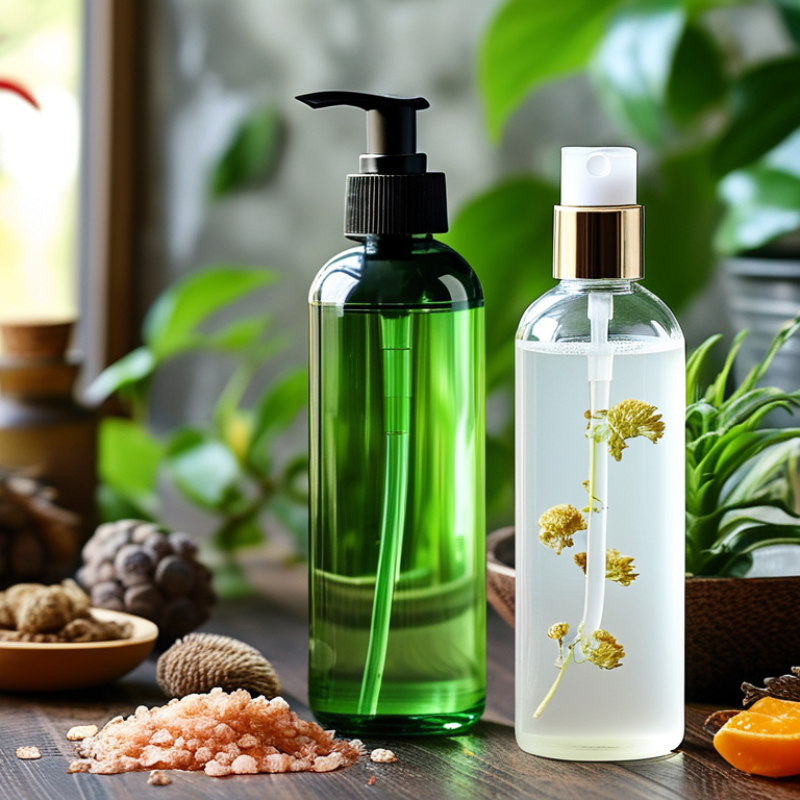
How to Create Clean Label Personal Care Products Effectively?

Understanding Clean Label Personal Care Products Principles

Creating clean label personal care products hinges on a commitment to transparency and simplicity. These products typically avoid synthetic chemicals, opting instead for natural ingredients. An effective approach is understanding consumer preferences for safe and sustainable options. This knowledge can guide ingredient selection, ensuring only those that align with clean label principles are used.

Tips: Start by researching ingredients with a proven safety record. Consumers often prefer simply formulated products. Utilizing plant-derived ingredients enhances credibility. However, quality sourcing is crucial. Not all natural ingredients are created equal.

Understanding clean label principles is also about compliance and communication. Labels should clearly list ingredients, avoiding misleading terms. Transparency builds trust with consumers seeking authentic products. It’s important to reflect on whether your labeling is both informative and honest.

Tips: Be cautious of over-complicating your labels. Clarity is key. Regularly review and update your formulations as new research emerges. Engaging with your audience can provide insight into their evolving expectations. By being receptive to feedback, adjustments can be made for continuous improvement.

How to Create Clean Label Personal Care Products Effectively? - Understanding Clean Label Personal Care Products Principles

Aspect Key Principle Example Ingredients Benefits
Transparency Clearly list all ingredients Aloe Vera, Jojoba Oil Builds consumer trust
Simplicity Use fewer and recognizable ingredients Coconut Oil, Shea Butter Easier for consumers to understand
Natural Origin Prioritize naturally derived materials Chamomile Extract, Green Tea Less chemical exposure
Sustainability Select eco-friendly packaging Recycled materials, Biodegradable containers Reduced environmental impact
Efficacy Demonstrate product effectiveness Hyaluronic Acid, Vitamin E Meets consumer needs

Identifying Suitable Ingredients for Clean Label Formulations

Creating clean label personal care products begins with the right ingredient selection. According to a 2021 report by the Clean Label Project, 73% of consumers prefer products with ingredients they can understand. This highlights the importance of transparency in formulations. Natural ingredients like aloe vera, shea butter, and coconut oil often resonate well with consumers seeking simplicity and effectiveness.

Sourcing suitable ingredients can be challenging. The market offers numerous options, but not all are clean or effective. For instance, some plant extracts can cause allergic reactions. Hence, thorough ingredient research is essential. Experts recommend prioritizing biodegradable and sustainably sourced materials.

A 2022 survey by the Personal Care Products Council found that 68% of buyers check for certifications like organic or cruelty-free. This indicates a shift toward responsible ingredient sourcing. Formulators must also reflect on the balance between efficacy and safety.

Not every ingredient labeled as natural is safe for use. For example, essential oils offer benefits but can also irritate sensitive skin. Adopting a trial-and-error approach can help brands refine their offerings. Market demands are evolving rapidly, leaving little room for complacency. Constant evaluation of ingredient performance is essential for meeting consumer expectations and regulatory standards.

Designing Eco-Friendly Packaging for Personal Care Products

Designing eco-friendly packaging for personal care products is crucial in today’s market. Consumers increasingly seek products that are not only effective but also sustainable. Using biodegradable materials can make a significant impact. Effective packaging reduces environmental harm and appeals to eco-conscious consumers.

Tips:
Consider using recycled paper or plant-based plastics. These materials break down naturally, minimizing waste. Additionally, focus on minimalistic designs. Less packaging often means less waste and reduced shipping costs. Simple designs can also convey a clean, modern look that aligns with consumer values.

Transparency is vital in eco-friendly packaging. Clearly communicate your materials and practices. This builds trust and authority with your audience. However, there is always room for improvement in sustainability efforts. Regularly reassess your choices and seek better alternatives. Engaging with consumers about their preferences can provide valuable insights for packaging decisions.

Regulatory Compliance for Clean Label Personal Care Items

Creating clean label personal care products requires strict adherence to regulatory compliance. The global clean label market is projected to reach $180 billion by 2026, showcasing consumer demand for transparency in ingredients. However, brands must navigate complex regulations to ensure their products are safe and marketable. The Cosmetic Ingredient Review (CIR) highlights that 65% of consumers consider ingredient safety as a primary factor in their purchasing decisions.

Effective formulation of clean label products starts with understanding local regulations. Companies must stay updated with the FDA and E.U. cosmetic regulations, ensuring all ingredients are permissible. Frequent audits of ingredient lists help maintain compliance. Brands must document sourcing practices and verify the integrity of ingredients. This builds trust and minimizes risks of regulatory non-compliance.

Tips: Always keep records of ingredient sourcing. Consider third-party testing to validate claims. Engage with regulatory experts to ensure all aspects of compliance are met. Continuous training for staff on regulations can reduce errors. Regularly review changes in legislation to adapt quickly. Regulatory knowledge drives product innovation and consumer trust in clean label offerings.

Marketing Strategies to Promote Clean Label Products Effectively

In the realm of personal care, clean label products are increasingly popular. To effectively market these products, understanding consumer preferences is crucial. Many shoppers seek transparency and natural ingredients. They want to know what’s in their products and how they are made. This growing demand calls for straightforward communication strategies.

Utilizing storytelling can connect with consumers on a personal level. Share the journey of product creation. Highlight the sourcing of ingredients and the ethical practices involved. Authentic stories build trust and establish credibility. Engaging visuals also play a critical role. Use clear, appealing imagery that reflects purity and nature. It enhances the perception of quality.

Feedback from customers should not be ignored. Engage with reviews and social media interactions. This will help identify areas for improvement. It’s vital to acknowledge both positive and negative responses. Continuous adaptation based on consumer insights ensures that the brand remains relevant. This willingness to evolve fosters loyalty and strengthens the brand's identity in the clean label market.

FAQS

: What matters most in clean label formulations?

: The right ingredient selection is essential. Consumers prefer familiar ingredients they can understand.

What types of natural ingredients are popular?

Ingredients like aloe vera, shea butter, and coconut oil are well-received. They offer simplicity and effectiveness.

How can sourcing ingredients be challenging?

The market is full of options, but not all are clean. Some plant extracts may cause allergies.

What should brands prioritize when sourcing ingredients?

It's important to focus on biodegradable and sustainably sourced materials. This aligns with consumer demands.

How do buyers verify product integrity?

Many buyers check for certifications, like organic or cruelty-free. This reflects responsible sourcing.

Why is testing ingredients important?

Not all natural ingredients are safe. Testing helps ensure consumer safety and satisfaction.

What role does packaging play in consumer choices?

Eco-friendly packaging attracts eco-conscious consumers. It shows commitment to sustainability.

What materials are recommended for packaging?

Recycled paper and plant-based plastics are ideal. They break down naturally, reducing waste.

How can brands improve their packaging transparency?

Clearly communicate materials used. Engaging with customers can provide valuable insights.

What should brands remember about sustainability?

There is always room for improvement. Regularly reassess choices for better alternatives.

Conclusion

Creating clean label personal care products involves several key principles and strategies. First, it's essential to understand the foundational concepts of clean labeling, which emphasize transparency, simplicity, and the use of natural ingredients. Identifying suitable ingredients is crucial for formulating clean label products, ensuring they are safe, effective, and aligned with consumer preferences. Additionally, eco-friendly packaging design plays an important role in sustainability, helping to minimize environmental impact and appeal to eco-conscious consumers.

Regulatory compliance is another critical aspect; it is vital to adhere to industry standards and regulations to ensure product safety. Finally, effective marketing strategies can significantly enhance the visibility and appeal of clean label personal care items. By exploring how to formulate clean label personal care products with an emphasis on these elements, brands can successfully meet the growing demand for transparency and sustainability in the personal care industry.

Madeline

Madeline

Madeline is a dedicated marketing professional with a wealth of expertise in our company's core offerings. With a keen understanding of the industry, she brings a unique perspective to her role, consistently delivering high-quality content that highlights the superior aspects of our products. As......