In recent years, the beauty industry has witnessed a remarkable shift. Consumers are increasingly curious about what they apply to their skin. This trend raises a pivotal question: why are clean beauty ingredients becoming popular?
Many consumers are now aware of the potential risks associated with certain synthetic chemicals. They seek transparency and safety in their beauty products. Clean beauty offers peace of mind. It focuses on natural, effective ingredients that are often easier to understand. People desire formulations free from harmful additives.
Moreover, the rise of social media has fueled this trend. Influencers advocate for healthier lifestyles, encouraging followers to make informed choices. However, not all clean beauty labels are created equal. It’s vital to research brands and their ingredient sourcing. This growing awareness reflects consumers’ desire for better and safer beauty options. As the clean beauty movement evolves, it prompts reflection on our habits. Are we truly prioritizing our health? Or following trends without understanding?
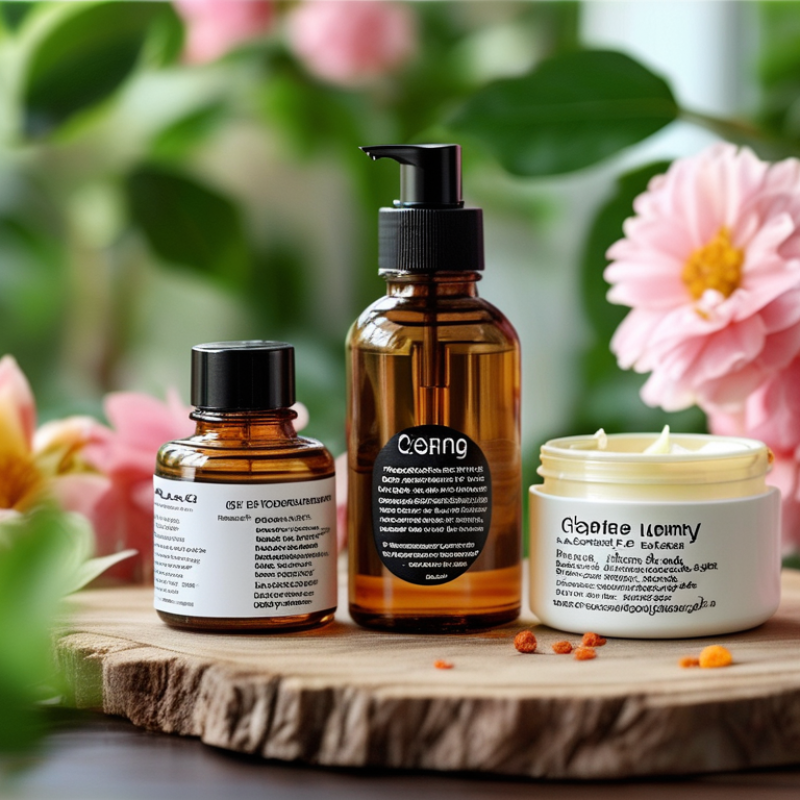
The rise of consumer awareness in clean beauty ingredients reflects a significant shift in the beauty industry. According to a 2021 report from the Clean Beauty Collective, 70% of consumers now prioritize ingredient transparency when making purchasing decisions. This focus on understanding product components stems from growing concerns about health and environmental impacts.
People are eager to educate themselves. They want to know what they apply to their skin. Many consumers now read labels carefully, seeking natural and non-toxic formulations. A survey from the Environmental Working Group revealed that 80% of respondents prefer products without synthetic preservatives or fragrances. This reflects a desire for safer alternatives. However, the challenge remains: not all natural products are effective. Some consumers find it challenging to navigate the myriad of options available.
The clean beauty movement also faces scrutiny regarding its definitions and standards. Transparency is a double-edged sword. While it empowers consumers, it also highlights the fact that many products labeled as "clean" lack stringent regulatory oversight. As the market evolves, ongoing education and honest communication remain crucial for both consumers and brands. The journey toward understanding clean beauty ingredients is dynamic, and it requires all participants to remain engaged and informed.
The rising trend of clean beauty ingredients can be attributed to a growing awareness of health benefits. Consumers are becoming more informed about what they apply to their skin. Natural ingredients often contain fewer chemicals, which can lead to safer, gentler products. For instance, oils derived from plants may provide hydration while being less likely to provoke allergic reactions. Many are feeling empowered by seeking transparency in their skincare choices.
Additionally, natural ingredients often boast antioxidant properties. Such compounds can promote skin health and help combat signs of aging. People are drawn to ingredients like aloe vera for its soothing effects or chamomile for its calming benefits. These elements can enhance the overall well-being of one’s skin, but they're not without limitations. Not everyone reacts positively to these ingredients. Skin type variations can influence how products perform.
Ultimately, the allure of natural ingredients lies in their potential to improve skin health. Fewer synthetic additives can appeal to those mindful of long-term effects. However, individual responses vary widely. Understanding the unique needs of your skin is necessary before fully embracing this trend. Clean beauty is about more than just the products; it's also a journey of self-discovery and personal care.
This chart illustrates the top 10 reasons why consumers are increasingly favoring clean beauty products, showcasing the health benefits of natural ingredients based on recent surveys.
The rise of clean beauty ingredients is heavily influenced by social media. With influencers and beauty enthusiasts sharing their experiences online, awareness about these products has skyrocketed. A recent report revealed that 72% of consumers trust recommendations from social media influencers more than traditional advertising. This shift shows how powerful social media is in shaping beauty trends.
However, the clean beauty movement isn’t without its criticisms. Some claim that the lack of regulation can lead to misleading claims. According to a survey, 56% of consumers feel confused about which clean beauty products are genuinely safe. This highlights the importance of researching ingredients before purchase.
Tip: Always check ingredient lists. Understanding what you’re putting on your skin can lead to better choices. Look for reputable sources when considering new products.
Content creators often highlight their personal results with clean beauty items. But not every product works for everyone. Results can vary based on skin type and sensitivities. A study found that nearly 40% of consumers reported skin reactions to natural products. It’s essential to test items in small amounts first.
Tip: Patch test new products to prevent adverse reactions. This simple step can save you from potential skin issues. Always listen to your skin’s response.
Consumers are increasingly aware of the impact of their choices on the environment.
The beauty industry is shifting towards sustainability and ethical sourcing.
According to a 2022 report by Statista, 45% of consumers prioritize environmental factors when purchasing beauty products.
This trend reflects a growing desire for eco-friendly options.
Many brands now emphasize sustainably sourced ingredients.
Ethical sourcing not only benefits the planet but also supports communities.
The 2021 Global Sustainability Study found that 72% of consumers are willing to pay more for products from sustainable brands.
However, challenges remain in ensuring all ingredients meet these criteria.
Some companies still struggle with transparency in their supply chains.
The rise of clean beauty highlights the importance of informed consumer choices.
While many products claim to be clean, true sustainability involves rigorous testing and certification.
The market also faces backlash over misleading claims.
As beauty enthusiasts demand authenticity, the industry must adapt to meet these expectations.
Only then can real progress be made towards a more sustainable future.
The clean beauty movement is rapidly gaining momentum, partly due to significant regulatory changes. According to a recent study by the Environmental Working Group, over 70% of consumers prefer products free from harmful chemicals. This shift has prompted governments to reevaluate safety regulations in personal care industries.
In the European Union, the REACH regulation restricts over 1,300 chemicals that may harm human health or the environment. The U.S. is following suit, with recent bills aimed at improving product safety and ingredient transparency. These regulatory frameworks not only protect consumers but also encourage brands to adopt cleaner formulations.
However, challenges remain. A report by Statista reveals that nearly 50% of consumers still find it difficult to identify truly clean products. Misinformation is prevalent, and some companies might exaggerate their 'clean' status. This complexity underscores the importance of robust regulatory measures and consumer education in the clean beauty landscape.
: Many consumers are concerned about health and environmental impacts, leading to a focus on ingredient transparency.
A study shows that 70% of consumers prioritize transparency in their product choices today.
Not all natural products work for everyone. Some may provoke allergic reactions or be less effective.
About 80% of consumers seek products without synthetic preservatives or fragrances due to safety concerns.
Many consumers trust social media recommendations over traditional ads, affecting their product choices significantly.
Understanding what you apply to your skin helps in making informed choices and promotes safer skincare.
Yes, over half of consumers feel uncertain about which clean products are genuinely safe, highlighting the need for research.
It's crucial to perform patch tests before full use to prevent adverse reactions and assess skin compatibility.
Individual skin responses vary widely; not everyone may react positively to natural ingredients.
It involves understanding one's skin needs and making choices reflective of personal care and self-discovery.
The popularity of clean beauty ingredients is surging, and understanding why are clean beauty ingredients becoming popular requires exploring several key factors. Firstly, consumer awareness has increased significantly, leading individuals to seek out products free of harmful chemicals and synthetic elements. Health benefits associated with natural ingredients have also contributed to this trend, as people become more conscious of what they apply to their skin.
Additionally, the influence of social media plays a pivotal role in shaping beauty trends, with platforms amplifying the conversation around clean beauty. Furthermore, there is a growing emphasis on environmental sustainability and ethical sourcing, prompting consumers to choose products that align with their values. Lastly, regulatory changes are supporting the clean beauty movement by encouraging transparency and safety in product formulations. Together, these factors create a compelling case for the rising demand for clean beauty ingredients.

Spekciton Biology