In today's beauty industry, understanding how to evaluate cosmetic ingredient quality is crucial. Consumers are increasingly aware of what they apply to their skin. This awareness drives the need for reliable information about product formulations. Evaluating ingredient quality can be challenging due to marketing claims and complex jargon.
Many products boast natural or organic ingredients, yet their actual quality may vary significantly. It's essential to dissect these claims critically. Not every ingredient with a scientific name is harmful, nor is every botanical extract beneficial. Delving into the source, processing methods, and potential impurities can provide insight. Quality ingredients often come from reputable suppliers who adhere to strict standards.
However, even with the right knowledge, consumers may overlook red flags. Ingredients can be misleading due to their chemical names. A dazzling packaging might hide subpar formulations. Therefore, deeper evaluation and skepticism are necessary. A discerning approach empowers consumers to make informed choices that match their skin’s unique needs.
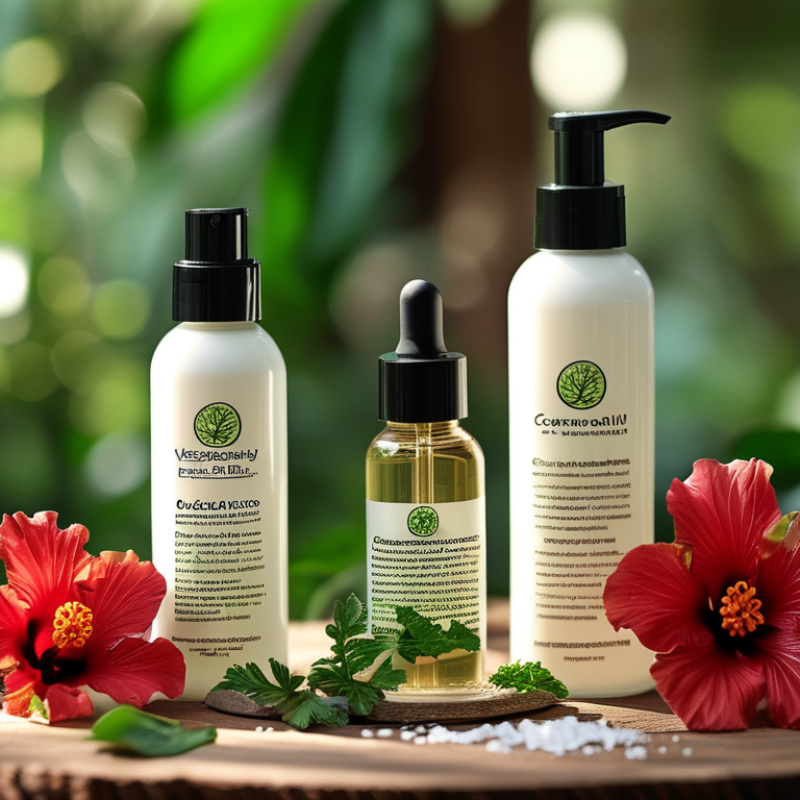
Understanding cosmetic ingredient labels can be overwhelming. Many terms appear complex, yet they hold critical information. Ingredients are often listed in order of quantity, starting with the most significant. This can help you gauge what is dominating the formula. Look for familiar components that you can easily recognize.
Regulations govern ingredient listings. In many regions, certain terms like "hypoallergenic" or "non-comedogenic" lack strict definitions. Companies may capitalize on these terms for marketing. It's essential to research what they genuinely mean. Some "natural" claims can be misleading. Ingredients derived from plants can still undergo harsh processing.
When assessing quality, scrutinize the source and formulation. Awareness of synthetic versus natural ingredients can impact your choice. Some well-regarded ingredients may have unknown long-term effects. Transparency in labeling is critically important. Always question the efficacy and safety of any product. Understanding labels is a skill that improves with experience.
When evaluating cosmetic ingredient quality, the source and extraction method play a crucial role. Understanding where ingredients originate can significantly influence their effectiveness. For instance, botanicals sourced from organic farms often carry a higher potency compared to those from conventional sources. Quality assurance in these processes is essential for skin safety.
Be mindful of extraction methods. Cold-pressed oils retain more nutrients than chemically extracted ones. A simple way to assess this is to check ingredient labels. Look for terms like "cold-pressed" or "organic." These words indicate a higher quality product.
Consider the sourcing of raw materials. Regions known for their particular botanicals often yield superior ingredients. For example, shea butter from West Africa may offer different benefits than other origins. Research tells us that climate and soil impact ingredient quality. This knowledge empowers you to make informed choices. Transparency in sourcing can sometimes be a challenge. Not all brands disclose their ingredient origins. Question what you can’t see.
Evaluating the quality of cosmetic ingredients is essential. Purity is one of the most critical factors in this assessment. Testing and certification standards provide a framework for understanding ingredient quality. These standards ensure that products are free from harmful substances and meet safety regulations. Reliable certifications indicate a commitment to quality and transparency.
Testing methods vary across the industry. Some laboratories utilize advanced techniques like high-performance liquid chromatography (HPLC). This approach can identify impurities with precision. However, not all brands prioritize such rigorous testing. It’s vital to scrutinize claims and verify third-party certifications. While some brands follow the rules, others may cut corners. Consumers should remain vigilant.
Ingredient transparency remains an ongoing challenge. Ingredients can often be misleadingly labeled or poorly defined. A thorough understanding of the ingredient source is necessary. It's not just about the final product; it’s about every step in the supply chain. This awareness can lead to better decisions. We must ask more questions and demand higher quality to foster industry accountability.
| Tip | Description | Importance | Testing Methods |
|---|---|---|---|
| Check Ingredient Source | Evaluate if ingredients are derived from natural or synthetic sources. | High - Affects safety and efficacy. | Supplier audits, sourcing transparency. |
| Review Purity Levels | Look for information on the purity percentages of key ingredients. | High - Impacts product performance. | Chromatography, HPLC analysis. |
| Check Certifications | Look for third-party certifications like organic or cruelty-free. | Medium - Supports ethical concerns. | Certification body audits. |
| Analyze Label Claims | Verify if claims are supported by scientific data. | High - Avoid misleading claims. | Literature reviews, studies. |
| Understand Ingredient Functionality | Research roles of each ingredient in formulation. | Medium - Ensures product efficacy. | Formulation testing. |
| Research Toxicity Data | Look for information regarding safety and toxicity. | High - Essential for consumer safety. | Toxicological studies, safety assessments. |
| Examine Stability Reports | Check for stability data under various conditions. | Medium - Important for shelf life. | Stability testing protocols. |
| Assess Formulation Interactions | Understand how ingredients perform together. | High - Ensures effectiveness. | Formulation studies, in-vitro tests. |
| Keep Updated with Regulations | Stay informed on cosmetic regulations and standards. | High - Compliance and safety. | Regulatory review, compliance checks. |
| Seek Expert Opinions | Consult with dermatologists or chemists if needed. | Medium - Informed decision-making. | Expert consultations, reviews. |
When evaluating cosmetic ingredients, clinical studies and research play a crucial role. Look for studies that assess ingredient efficacy on human skin. Focus on peer-reviewed research, as it is often more reliable than anecdotal evidence. This type of research should include a diverse demographic to ensure findings are applicable to a broader audience.
Scrutinize the methodology used in these studies. Are control groups present? Was the sample size adequate? A small or biased sample can skew results. Take note of the duration of the studies as well. Short-term results may not reflect long-term safety or effectiveness.
Additionally, consider potential conflicts of interest. Research funded by manufacturers may present overly favorable results. Look for independent studies that offer unbiased perspectives. Be cautious of ingredients backed solely by marketing claims without scientific validation. Each step in evaluating cosmetic ingredients requires a balance of skepticism and trust in credible sources.
When evaluating cosmetic ingredients, the importance of environmental impact cannot be overlooked.
Sustainable sourcing plays a critical role in this process. Ingredients sourced from renewable resources minimize harm to ecosystems.
The method of extraction matters too; practices like overfishing or unsustainable farming lead to ecological degradation.
Choose ingredients that promote biodiversity instead.
Biodegradability is another key factor.
Products that easily break down reduce waste in landfills and waterways. Check if the ingredients return to nature without leaving toxic residues.
Many conventional ingredients resist biodegradation and can persist in the environment. This adds to pollution and disrupts local wildlife.
The challenge lies in finding a balance. Consumers often prioritize effectiveness or price over sustainability.
This trade-off can lead to unintended consequences. Reflecting on ingredient quality can guide better choices.
While the allure of cosmetic products is strong, recognizing their broader impact encourages more informed decisions.
Engage with brands that are transparent about their sourcing practices.
By doing so, you contribute to a healthier planet while ensuring your beauty regime aligns with your values.
: The source and extraction method significantly impact their effectiveness. Organic botanicals usually have higher potency.
Look for "cold-pressed" on ingredient labels. Such oils retain more nutrients than chemically extracted alternatives.
Regions with specific botanicals often produce superior ingredients. Climate and soil affect their quality.
Check for reliable testing and certification standards. These ensure products are free from harmful substances.
Assess the study's methodology, sample size, and duration. Small or biased samples may lead to misleading results.
Ingredients can be poorly labeled, making it difficult to understand their origins. Many brands do not disclose this information.
Ask questions about ingredient sources and demand transparency. Be skeptical of vague claims without solid evidence.
Watch for potential conflicts of interest. Studies funded by manufacturers might not provide unbiased results.
Evaluating cosmetic ingredient quality is essential for consumers seeking safe and effective products. To achieve this, one should first understand the terminology used on ingredient labels and the regulations that govern them, enabling informed decisions. Additionally, analyzing the source and extraction method of ingredients can provide insights into their origin and sustainability.
Furthermore, assessing ingredient purity through testing and certification standards is crucial for ensuring safety. Reviewing clinical studies and research data helps in evaluating the efficacy of the ingredients. Finally, considering the environmental impact of ingredients, such as sustainable sourcing and biodegradability, is vital for making responsible choices. By implementing these strategies, consumers can effectively learn how to evaluate cosmetic ingredient quality.

Spekciton Biology