Choosing the right cosmetic ingredients for skincare formulations is essential in achieving desired results. It requires an understanding of skin types and personal needs. Many consumers feel overwhelmed by the variety of options available. This guide will help you navigate these choices effectively.
When considering how to choose cosmetic ingredients for skincare formulations, it’s vital to prioritize quality over quantity. Not every trendy ingredient suits everyone’s skin. Research has pointed out that individual reactions vary greatly. People often have mixed experiences with certain components, highlighting the need for careful selection.
Ingredient labels are complex, and many products contain additives that may irritate. This complicates your decision-making process. Seeking expert advice and reading reviews can provide clarity. Ultimately, make choices based on your skin’s unique condition rather than popular trends. Embracing a personalized approach leads to better outcomes in your skincare routine.
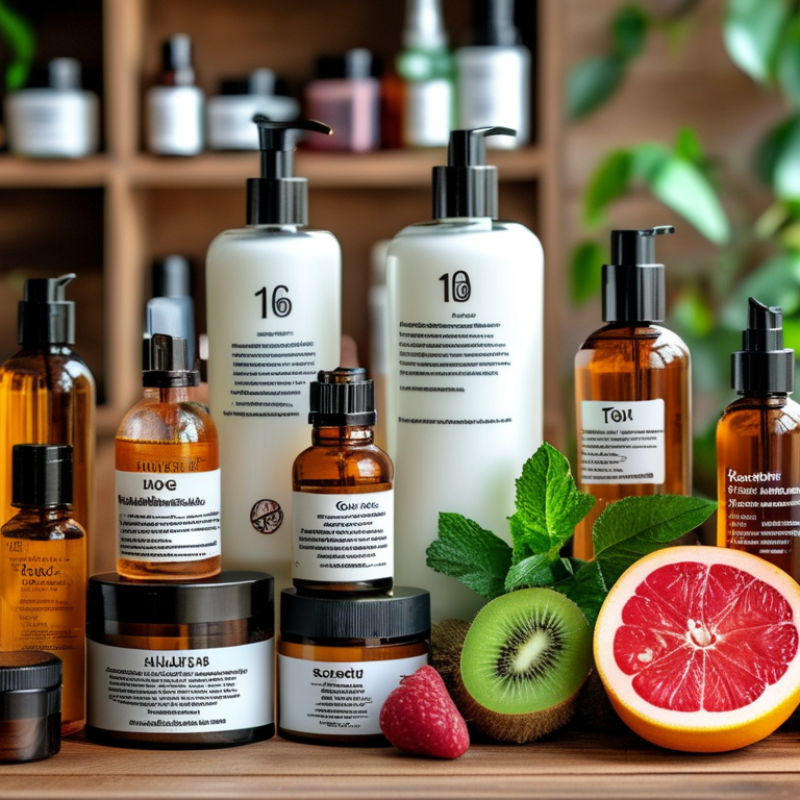
Understanding your skin type is crucial when selecting cosmetic ingredients. Studies show that 80% of skincare users do not align their products with their skin type. This mismatch can lead to irritation or breakouts. For example, oily skin benefits from lightweight, non-comedogenic ingredients, while dry skin requires richer, hydrating components.
It’s also essential to recognize your skin’s unique needs. A survey published in the Journal of Dermatology revealed that 60% of respondents experienced skin sensitivity to certain ingredients. For sensitive skin, opting for gentle, hypoallergenic formulas minimizes the risk of adverse reactions. Furthermore, age and environmental factors can change your skin’s requirements over time, prompting the need for ingredient adjustments.
Educating yourself on active components is vital for effective skincare. Ingredients like retinol and hyaluronic acid have proven benefits, but they might not suit everyone. Understanding your skin’s response can prevent potential issues. Remember, what works for others may not work for you. Observing your skin’s reaction to specific products is essential. It’s not just about what’s trending; it’s about what truly nourishes your skin.
When selecting skincare products, ingredient awareness is crucial. Many consumers overlook the importance of understanding what they apply to their skin. Knowledge about essential ingredients can enhance the effectiveness of your routine. Look for hydrating elements such as hyaluronic acid, which draws moisture. This ingredient is often praised for its ability to plump and hydrate skin.
Other key components include antioxidants. They protect the skin from environmental damage. Vitamin C is a popular choice, known for brightening and evening skin tone. Be cautious, though. Not all forms of vitamin C perform equally. You may need to experiment to find what works for you.
Also, consider filler ingredients. Some products contain unnecessary additives that can irritate skin. Reading labels is vital. Complicated ingredient lists can confuse even seasoned consumers. Sometimes, simpler is better. Reflecting on your skin’s reactions will help guide future purchases. Not every ingredient suits all skin types. Finding the right balance requires patience and self-awareness. Take notes on what works and what doesn't.
When choosing cosmetic ingredients for skincare, evaluating their safety and efficacy is crucial. Recent studies reveal that over 70% of consumers consider ingredient safety paramount in their skincare choices. An ingredient's origin plays a significant role here. Natural ingredients often score higher in perceived safety, but not all natural substances are benign. For example, plant extracts might cause allergic reactions in some individuals. Awareness of these nuances is vital for informed decisions.
Efficacy is another critical factor. Data indicates that approximately 50% of consumers are willing to spend more on products that deliver concrete results. Clinical studies and peer-reviewed research provide valuable insights. For instance, hyaluronic acid has been shown in studies to retain moisture, effectively improving skin hydration levels. In contrast, some common fillers, while effective, may carry risks of irritation or inflammation.
Consumer education is essential in this process. Resources like the Skin Deep database help individuals assess ingredient safety. Regularly consulting such resources encourages transparency in skincare choices. However, the challenge remains: not all ingredients are fully understood and effects can vary widely among different skin types.
When exploring skincare products, brand transparency is crucial. Understanding where ingredients come from can enhance your trust in a brand. Look for companies that openly share their sourcing practices. This insight allows you to assess the integrity of their formulations. A transparent brand typically has clear information about its ingredients and their origins.
Investigate how companies test their products. Ethical testing is paramount. Brands that prioritize humane and environmentally friendly practices often use higher-quality ingredients. Researching these factors adds depth to your skincare choices. Check if the brand aligns with your values, like sustainability and ethical sourcing.
Ingredient quality should be your top priority. Choose products that list active ingredients clearly. Ensure these components match your skin type and concerns. Read reviews and seek feedback from credible sources. Not all popular ingredients are friendly for all skin types.
Take time to explore the effects of various components to avoid potential irritation. It's okay if you don't get it right on your first try; skincare is a personal journey of learning and refinement.
Understanding product labels is crucial in skincare. The ingredients list is where the magic happens. Each ingredient serves a purpose, whether it’s hydration, exfoliation, or protection. Pay attention to the order of ingredients. The higher up an ingredient is listed, the more concentrated it is. For example, if water is the first ingredient, the product is primarily water-based.
Look out for key terms. Words like “hypoallergenic” or “non-comedogenic” suggest that a product may be less likely to cause reactions. However, these terms are not strictly regulated. This means they might not guarantee safety or efficacy. Always consider your skin type and unique needs when interpreting labels. Sometimes, seemingly perfect products can contain irritants.
Don't be afraid to question the science behind ingredients. Some complex-sounding compounds may be beneficial, while others could cause concerns. Education is key. Consulting reputable sources and professionals can provide insights. Remember, not every popular ingredient is right for you, and personal testing is vital. Listening to your skin can lead to better choices.
: Knowing your skin type helps in selecting suitable cosmetic ingredients. This prevents irritation and breakouts.
Oily skin benefits from lightweight and non-comedogenic ingredients. Look for products that hydrate without clogging pores.
Dry skin requires richer, hydrating ingredients. Creams and oils usually work best for maintaining moisture.
Yes, age and environmental factors can alter your skin requirements. Regularly assess your skin's response to products.
Evaluate ingredient safety by considering their origin. Natural ingredients may seem safer, but allergens can still be present.
Efficacy matters significantly to consumers. Many are willing to invest in products that show proven results, like moisture retention.
Resources like the Skin Deep database guide informed ingredient choices. They help consumers understand safety aspects of products.
If irritation occurs, stop using the product immediately. Assess the ingredients to identify potential triggers to avoid in the future.
Everyone's skin is unique. Individual reactions to products can vary widely based on personal skin types and sensitivities.
Yes, some common ingredients can cause irritation or inflammation. It's essential to research before trying new products.
When it comes to how to choose cosmetic ingredients for skincare formulations, it is essential to start by understanding your skin type and specific needs. By identifying what works best for your skin—whether it's hydration, anti-aging, or acne control—you can tailor your product selection accordingly. Essential ingredients should be evaluated for their safety and efficacy to ensure that they provide the benefits you seek without causing adverse reactions.
Additionally, researching brand transparency regarding ingredient sourcing can help you make informed decisions. Look for brands that openly disclose their ingredient lists and the origin of their components. Lastly, knowing how to read and interpret product labels effectively can further aid in selecting the right cosmetics, allowing you to recognize beneficial components and avoid harmful additives. This comprehensive approach will empower you to make educated choices tailored to your skincare needs.

Spekciton Biology